How to Get Rid of Black Mold in Your Home for Good

Mold is a type of fungi found both indoors and outdoors. Mold is not a welcome sight for homeowners: It produces nasty smells, and some varieties of mold can even cause health problems. Black mold is one such variety.

You have probably come across black mold (also known by its biological name Stachybotrys chartarum) in an old house, or maybe even in your own home.

Black mold is a type of fungus, and although it appears to be black at a distance, it can appear dark green upon closer examination. It is those black marks you see on walls, particularly low down near the skirting.

Room walls are an excellent breeding ground for black mold as it loves surfaces that contain cellulose, such as plasterboard, chipboard, or paper. Mold grows in damp, warm conditions. That is why mold is more common in shower rooms, bathrooms, and laundry rooms.

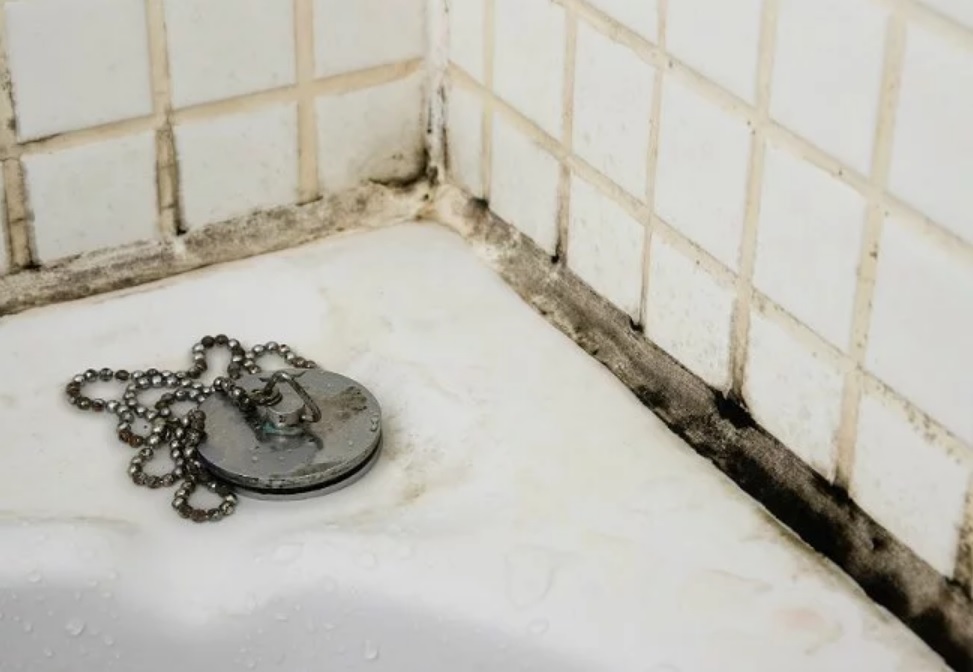
black-mold-bathroom

On its own, black mold is not dangerous, but it can release harmful toxins into the environment, affecting air quality and causing health problems for people who inhale those toxins.

That’s why it is important to make sure your home isn’t a breeding ground for black mold. Here’s how to identify black mold in your home, remove it, and prevent it from growing in the first place.

Identifying Black Mold in Your Home

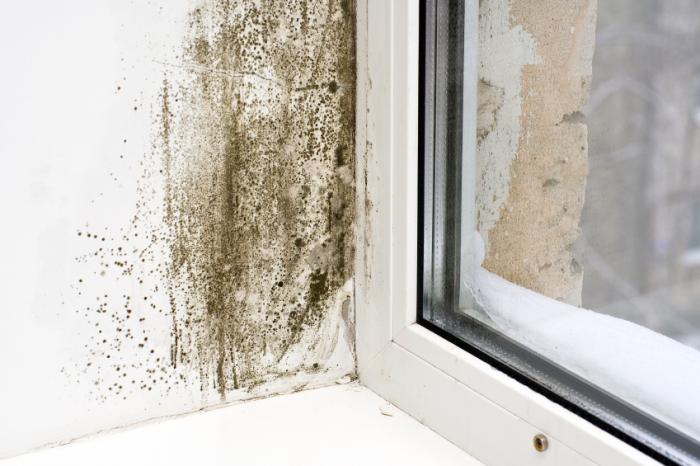
One way of identifying black mold is from its color. Other molds you might observe are usually different colors, but black mold is distinctively black. Black mold grows slowly and only takes on its distinctive black color when it is fully grown. It can sometimes be mistaken for dirt or dust due to its color.

large-patch-of-black-mold-next-to-window

Another big giveaway of black mold growth is the smell: It has a distinctive musty odor, even if you can’t see it.

How to Test for Black Mold

There are now a plethora of mold test kits on the market to help you determine if you have black mold.

With some kits, you can get a result within minutes. With other test kits, you send the results away for analysis by qualified labs, which is likely to get more accurate results.

In general, home testing kits are not reliable enough to make any conclusions. We recommend that you get in touch with experts to determine if you have black mold present in your home, especially if you or other people in your home are experiencing any symptoms or health effects that may be caused by mold.

Symptoms and Health Effects from Black Mold

Mold exposure affects people differently. One person living in a home with black mold may have reactions, while another person living in the same space may experience no physical effects.

Some people have genetic predispositions or immune system responses that make them more sensitive to mold than others. Age and general health can also be factors: The elderly and young children are most affected by exposure to black mold.

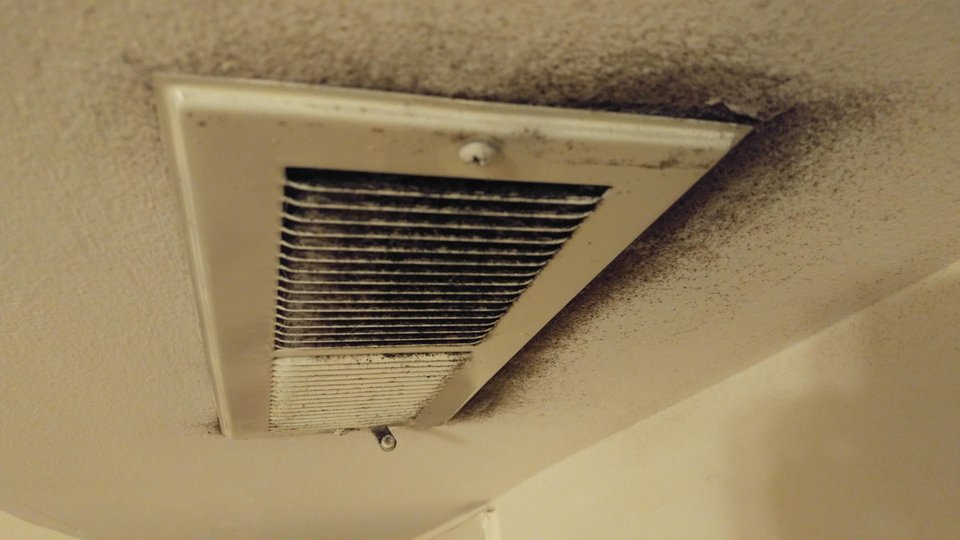
The symptoms of exposure to black mold range from fatigue, headaches or migraines, mood swings, tremors, eye irritation, sneezing, and coughing. One of the problems identifying a reaction to black mold is that the symptoms are also common in other respiratory disorders.

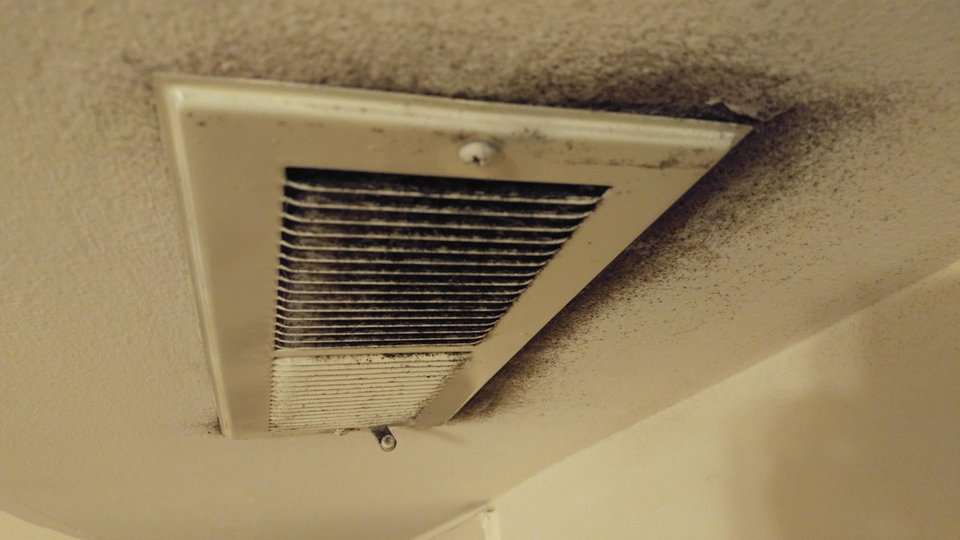
black-mold-air-vent

If mold exposure or a mold allergy is suspected, a doctor may order allergy tests. An allergy test might involve dropping liquid containing the mold onto the skin and monitoring the reaction.

Preventing and Removing Black Mold

Black mold needs four things to develop and grow:

  • Oxygen
  • A water source
  • A food source
  • Optimal growing conditions

With these four factors in mind, there are certain areas in the home where black mold is more likely to accumulate.

Where to Look for Black Mold

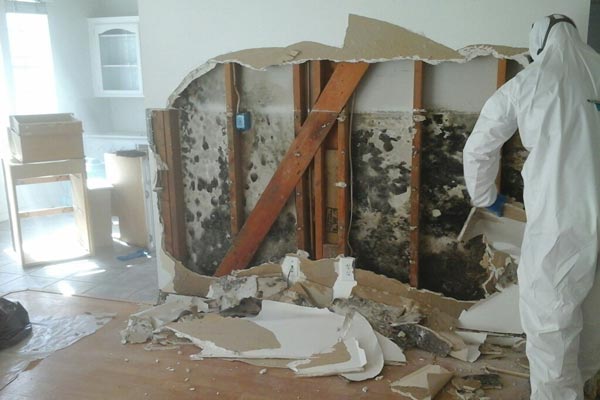
Any drywall areas might be a breeding ground for black mold, as well as areas that are wooden and cellulose-rich. Look closely, because the mold might be growing behind the wall.

mold-removal-drywall

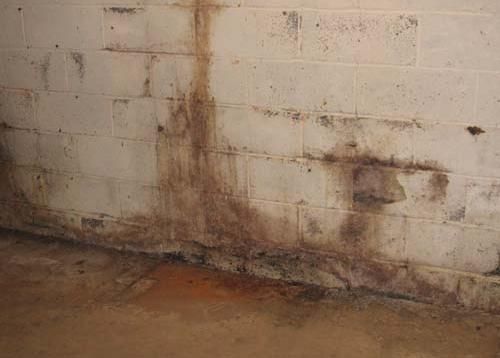
The basement is probably naturally damper than other areas of your home, making it an excellent breeding ground for mold. Look around water pipes if you have any, as they tend to sweat in a humid environment. If you have a washer or dryer in the basement, check the inlet and outlet pipes for both.

black-mold-basement

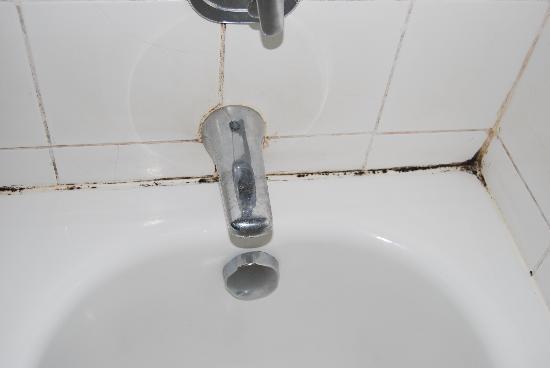
Another common place for black mold growth is in the shower room or bathroom. Avoid using any carpet in a bathroom, as that would be a perfect home for mold infestation. Bath mats outside the shower or around the toilet should be washed regularly for this reason.

black-mold-around-bathtub

Check the shower stall, at the bottom of shower curtains, and in the crevices in built-in shower screens because moisture can collect behind them.

Finally, another area of the home susceptible to mold growth is in the attic. Look for any moisture collecting in the attic space and signs of frost that indicates water collection.

Black Mold Removal

If you find black mold, you can usually clean it with water and bleach. Keep in mind that bleach will kill surface mold, but it will not get a mold that has penetrated wood. After the bleach and water has dried, apply a fungicidal product.

If your mold infestation is greater than 10 meters in length or height, you should call a professional mold inspector. For mold infestations this extensive, it takes professional expertise to determine the proper course of action.

How to Prevent Black Mold

You can take several steps in your home to prevent black mold.

  • Keep humidity levels in your home as low as possible. Use an air conditioner or humidifier to control humidity.
  • Ensure your home has enough ventilation. Make sure your clothes dryer vents outside the building.
  • Fix any leaks in your roof or leaking pipes so mold does not have the moisture to grow.
  • Clean bathroom and showers regularly with mold-killing products.
  • Remove or replace carpets that have been soaked and can’t dry properly.
  • Don’t use carpets in rooms exposed to water and moisture, like bathrooms, laundry rooms, or damp basements.

What to Do if You’re Being Stalked

It is estimated that, on average, more than one million people are victims of stalking every year. While the majority of victims are women, there is also a high rate of men being stalked.

In many cases, the stalker is someone you know — someone you were in a romantic relationship with or currently are seeing, a co-worker or even a casual acquaintance. Stalkers can also be complete strangers.

Stalking can come in many forms — ranging from willful, unwarranted and repetitive contact to following someone or harassing them. In more extreme case, it can include physical threats or assault.

Many victims will be unsure or scared when it comes to responding to a stalker. Some may try engaging or reasoning with the stalker in hopes of deterring them in a more civil manner, while others may confront them directly.

In any situation, it is imperative to know how to stop a stalker while still ensuring your personal safety.

6 Tips On How To Stop A Stalker

1. Explicitly Tell Your Stalker Once to Stop Contacting You

The first step may be daunting but once you have done this, you have clearly defined your boundaries. Thereafter it is imperative that you cut off all communication with them. Any kind of engagement or response could reinforce or encourage the stalker’s actions.

2. Always Be Prepared

In many cases, stalkers may not respect your wishes, so it is vital you keep your cell phone with you at all times. Keep numbers of trusted friends, family members and the local police department on speed dial. If you are in imminent danger and unsure of what to do about a stalker, call the police immediately.

3. Understand that Stalking is Illegal

It is normal for you to want to solve this problem on your own, but support is always available. Trust your instincts. If you ever feel uncomfortable, even if nothing serious is happening at that moment, reach out to a trusted friend, family member or law enforcement.

You are not responsible for protecting anyone except yourself. Knowing how to stop a stalker is not easy, but you are not alone! Statistics show that 1 in 19 men and 1 in 6 women have been stalked during their lifetime, so it is not something to be ashamed of, and it is therefore crucial to know how to stop a stalker.

4. Create a Safety Plan

Another key step in knowing how to stop a stalker is considering the worst-case scenario and having a safety plan in place. Enhancing your home security and changing your locks are two initial steps you may want to take.

Thinking through and having a safety plan will help you act quickly if you assess that a particular situation may be dangerous. A safety plan should include:

  • The quickest and safest way to exit your home or workplace (and other places you frequent)
  • Having a list of go-to people to call in an emergency
  • Knowing the location of the nearest police station(s) around you

If you are lost and unsure of how to stop a stalker, whether in a moderate or extreme case, it is advisable to seek assistance from trained law enforcement.

5. Ensure Digital Safety

Technology has become a key tool used by stalkers/ If you are being stalked online, through text messaging, email, or phone calls there are important steps you can take including:

  • Blocking the phone number
  • Blocking and blacklisting their email
  • Blocking them on Facebook, Twitter, Instagram, Tumblr, and any other social media platforms
  • Setting your social media accounts to private
  • Changing your passwords

Another important step you can take to make yourself less vulnerable to stalking is to be aware of what information you are sharing on the internet and on which social media platforms.

Ensure all your online profiles have the highest security settings and limited personal information, as stalkers tend to be extremely resourceful, especially regarding technology.

6. Keep Records of Any Contact Made by Your Stalker

One of the most important steps in the process of stopping a stalker is documenting any encounters, or evidence you have about your stalker by:

  • Recording and saving all written or verbal communication
  • Documenting details of any situations where physical contact was made
  • Collecting any ‘gifts’ given or sent to you
  • Taking pictures of any damage to your property
  • Documenting any attempted or actual contact made with your friends or family

It can be easy to underestimate the threat of a stalker. However, many victims have later stated that they should have taken the situation more seriously.

By documenting everything related to the stalker, you are providing law enforcement officials with potential evidence. Stalking is a serious criminal offense. Understanding how to take action to stop a stalker can be critical to your safety.

You do not deserve to be intimidated, harassed or stalked by anyone. Support and help will always be available to you if you reach out.

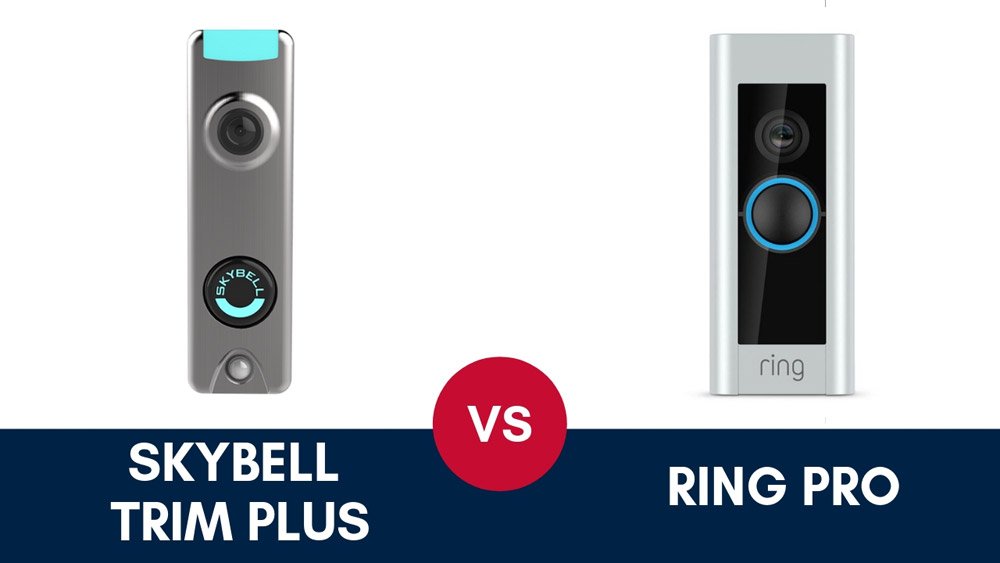
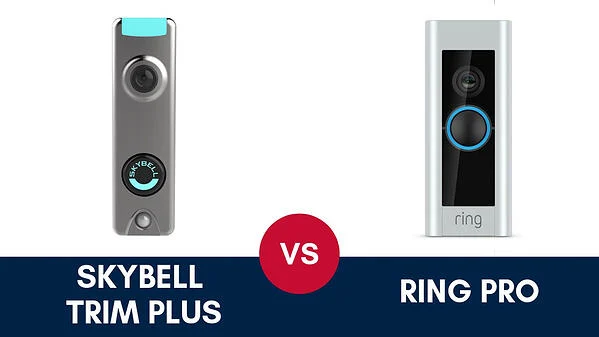
Ring Video Doorbell Pro vs. SkyBell Trim Plus

Last updated on: 9/25/2023

If you’re looking for the latest in home security systems with cameras, you’ve probably considered doorbell cameras as an option to watch over your front door.

And, if you’ve been weighing your options, it’s likely you’ve come across two of the most popular brands in on the market — the SkyBell Trim Plus and the Ring Video Doorbell Pro.

skybell versus ring

To help you make an educated evaluation, we’ll compare the two video doorbells side-by-side.

What is a Doorbell Camera?

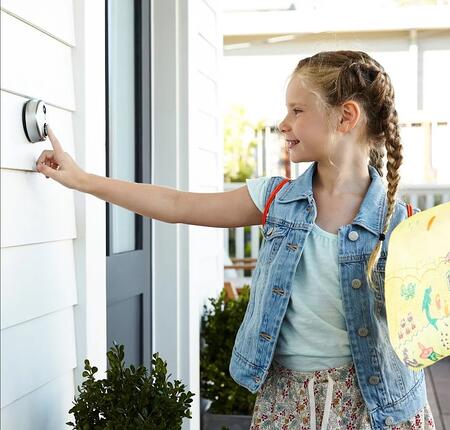
With technological advancements, even an average feature of the home—the doorbell—has evolved to include clear HD video recording and high-quality picture capturing. These incredible devices are the next step in home security and accessibility.

A doorbell camera is mounted where the doorbell would normally be. These vary in size but are commonly small enough to be about the size of an average doorbell.

Depending on the settings of the device, customers can program the doorbell camera to activate when its sensor detects motion or simply when someone presses the button.

doorbell cameras

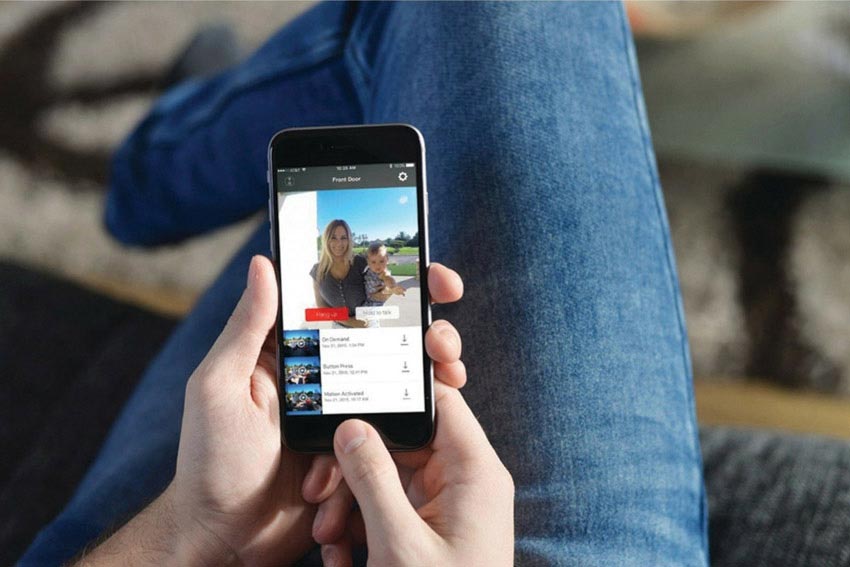
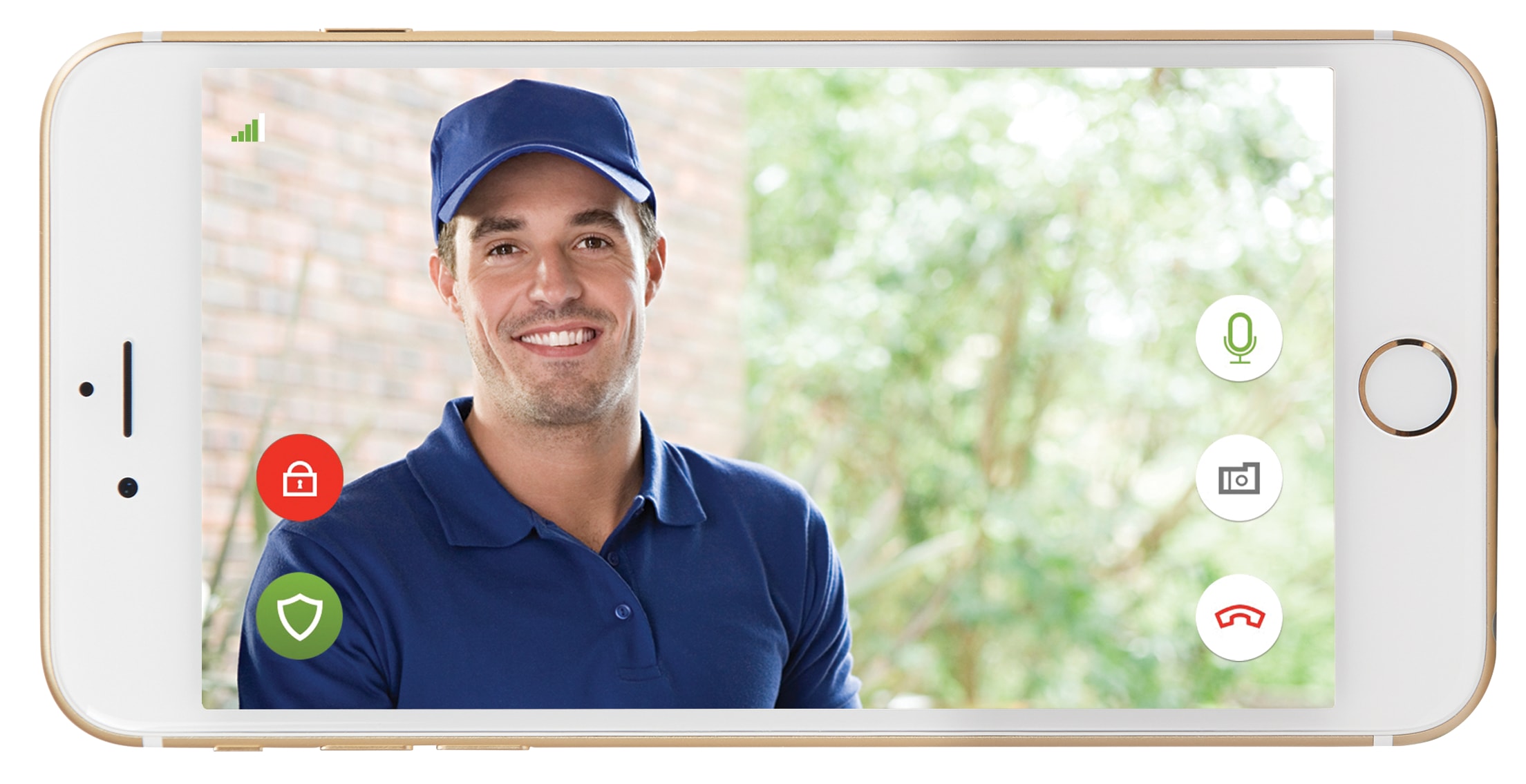
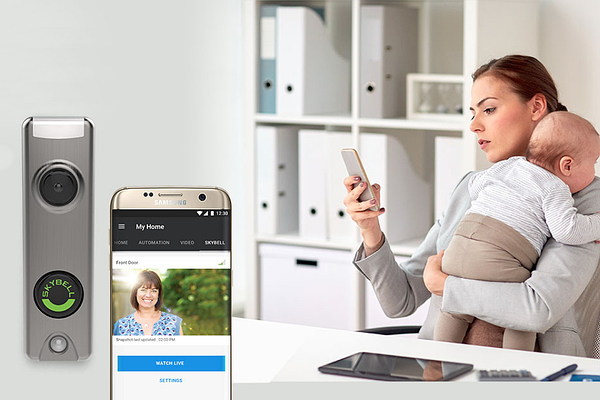
Once your doorbell is pressed or the motion sensor is activated, your smartphone will alert you that your doorbell has detected activity. Upon opening the app, you can view a live video of your guest, who can leave a message that can also be saved for later.

Most doorbell cameras also feature two-way communication so that you can also answer the door from locations far away from your home using your phone. Additionally, most video doorbells can tie into your home security alarm system so that you can control all of your devices using the same app.

For the elderly and disabled, doorbell cameras also offer incredible convenience by allowing the homeowner to check on knocks at the door without having to get up.

Things to Consider When Choosing Between the SkyBell Trim Plus or the Ring Pro

Homeowners have different needs and expectations when it comes to protecting their home. Here are a few key questions to ask:

  • Are you worried about capturing video footage at night?

  • What technology should your doorbell be compatible with?

  • How often do people approach your door on an average day?

  • How many people in your home will want access to answering the door bell camera?

SkyBell Trim Plus

SkyBell is a company that specializes in video doorbells. Several of their products have patents unique to their company which has caused tension between SkyBell and Ring.

There are several reports of lawsuits between the two because Ring Pro has been accused of infringing on SkyBell’s patented features.

Style

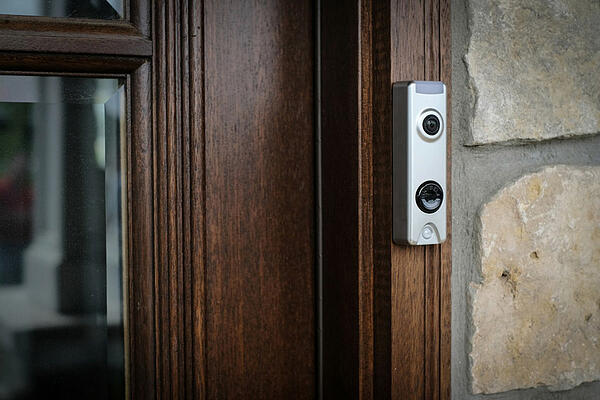
The SkyBell Trim Plus has a sleek design that is only slightly larger than the base of a doorbell. There are two available colors: brushed aluminum and the dark, oil-rubbed bronze. The style of the SkyBell Trim Plus is thin and can match practically any home design.

skybell doorbell

Features

  • 180 Degree View. With a viewing range of 180 degrees, the SkyBell Trim Plus displays a panoramic view to ensure total video coverage of the front door area.
  • 5X Zoom. Even with a high-quality camera, some details can be distorted. SkyBell offers zoom capabilities up to 5X so that you can can easily distinguish name tags, license plates, or package details.
  • Motion Sensor. Motion sensors will notify you as soon as any movement is detected, or a visitor approaches your door. Even if they do not ring the doorbell, you can keep an eye on whatever activity is happening in the vicinity of your door.
  • HD Photograph. The SkyBell Trim Plus can also captures an HD photograph of your visitors.
  • Easy Installation. The entire installation process can be done at home without the help of a professional (although you may prefer one if you’re not a big fan of DIY projects).
  • Cloud Video Storage. SkyBell Trim Plus records and stores video footage in the cloud which means criminals can’t get access to the footage by stealing the device. SkyBell cloud storage is also free and has no monthly cost.

doorbell camera app

  • Weather and Rain-Proof. The Trim Plus can withstand hot summer days, chilly winter nights, and every storm that mother nature can muster.

Ring Video Doorbell Pro

Ring Pro has built powerful name recognition in the market through effective advertising and also makes a complete security system designed to integrate with the video doorbell.

Style

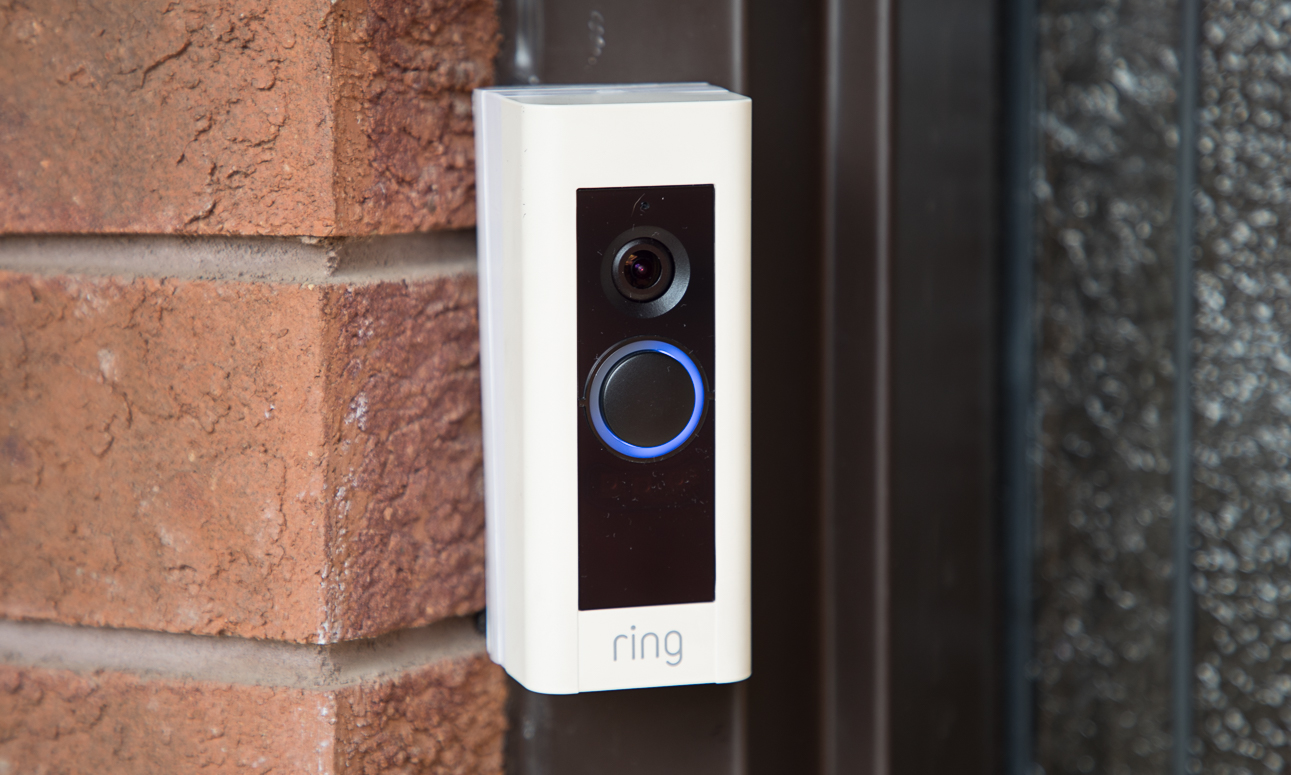
The faceplates are interchangeable on this modern design doorbell camera. It is thin and fits comfortably on your door frame without becoming an eyesore.

Ring Doorbell

Features

  • 160 Degree View. A 160-degree view will easily capture anything approaching the camera. However, it will not be able to see something if it gets too close to the wall on which it is mounted. Generally this is not an issue, but in certain situations, you could miss something that the SkyBell’s 180-degree view would capture.
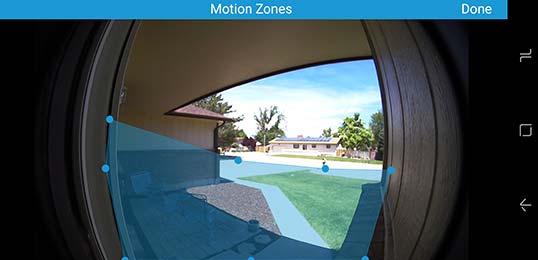
  • Zoning Settings. This is one of the more impressive features of the Ring doorbell. While motion sensors are convenient because they allow your camera to activate automatically, the Ring Pro takes this technology a step further with zone settings that allow you to determine what areas or times the sensor is activated.

ring pro doorbell motion zones

For instance, you can set your sensor to only cover the walkway so that it isn’t tripped each time the dog goes out or when the garbage is picked up.

  • Web Application. Ring Pro has an app that notifies users of activity via their smartphone or tablet. This same app can also be opened from any web browser.

Comparing the SkyBell Trim Plus and the Ring Pro

Ease of Use

Regardless of which device you choose, your doorbell cameras are guaranteed to be compatible with your smartphone, tablet, or PC. The SkyBell Trim Plus and the Ring Pro are compatible with Android, iOS, Windows, and MacOS.

Skybell doorbell with mailman

Both doorbell cameras can be installed by the customer without hiring a professional. However, the process of installing the Ring Pro is slightly more complicated. Either way, you must have pre-existing doorbell hardwiring. Otherwise, you’ll probably need to contact an alarm company to send out a technician.

Monthly Fees

The Ring Pro requires a subscription that includes many add-ons like alerts. SkyBell Trim Plus records and stores your videos in the cloud for easy access at no additional cost over the initial retail price.

Without an active subscription, videos on the Ring Pro cannot be saved, only actively viewed live. While the Ring Pro is competitively priced—with options and additional features available from $30 to $100 dollars per year—the fact that SkyBell has no additional charges is a big plus.

Response Time

This is a quality most might overlook because you would of course assume that you would receive instant notifications from the camera when it detects activity. However, this is not always the case.

The Ring Pro has received some complaints over its delayed notification to the user, which ranges between three and seven seconds. The SkyBell on the other hand will notify you the very moment someone arrives.

Weather Conditions

Both the SkyBell Trim Plus and the Ring Pro are durable enough to make it through the the various seasons. In freezing conditions, however, the SkyBell does withstand lower temperatures, capable of functioning at -40 degrees Fahrenheit.

Video Quality

The SkyBell Trim Plus and the Ring Pro both record high video quality of 1080p. The difference is that the SkyBell Trim Plus comes with a setting to allow for 720p video recording.

The higher the video quality, the more bandwidth it requires to stream. By having the ability to downgrade the video quality, SkyBell made their doorbell more effective in homes with slower internet plans.

skybell vs competitor image quality

When video quality is lowered, the resulting recording takes up less storage space. This can come in handy if you have many recordings that you want to keep on file.

Design

For those who want their video doorbell to be more discrete, the Ring Pro’s mounted camera has an advantage as it is less discernible as a video recording device.

However, some may prefer that visitors are fully aware that they are being recorded. The SkyBell camera is much more easily noticeable and is even labeled on the doorbell “SkyBell”, so it may serve as a better deterrent. While the Ring Pro is also labeled, the branding is minimal and easily overlooked.

Frame Rate

The SkyBell Trim Plus as well as the Ring Pro stream live video of your doorway at a frame rate of 15 fps, allowing them both to record without static or lagging. On this criteria, both brands are equal.

Silent Mode

This is another aspect in which the SkyBell and Ring Pro are neck and neck. Unlike conventional doorbells, you can turn this doorbell off so it remains quiet while the camera continues to record.

skybell silent mode

Both devices run smoothly without creating any disturbance, which makes it easy to transition seamlessly between their active and inactive modes. When you don’t want to be bothered by visitors or especially the doorbell, this is an excellent feature.

Is a Doorbell Camera Right for Me?

Doorbell cameras can offer some powerful advantages when it comes to home security. Knowing who is at the front door at any time and without having to get up to answer it or look through a peephole or window is a great convenience.

With so many news stories of holiday package theft or other criminal activities, the peace of mind knowing that your front steps are under constant monitoring make doorbell cameras a welcome relief for many homeowners. Talk to a security system company near you to see what doorbell cameras they offer and which ones are compatible with your home.

Bottom Line

The Ring Pro and SkyBell doorbell cameras are both top of the line products that boast similar features to show off their technological prowess.

  • One of the aspects that boosts SkyBell Trim just ahead of Ring Pro is that SkyBell Trim Plus has the night vision camera in full color vision. While this feature is not mandatory for effective monitoring, having the ability to record video in color at night can be advantageous in identifying visitors near your door.
  • SkyBell also has the edge on viewing capabilities with twenty more degrees seen from the door. This gives a slightly more comprehensive view of the surroundings.
  • The Ring Pro has convenient web browser capabilities while the SkyBell Trim Plus does not. But, since most consumers will be viewing activity on a tablet or smartphone, this isn’t a particularly big advantage.
  • The Ring Pro’s zoning feature is handy, but many users could easily get overwhelmed by the complexity of customizing the settings for a system that is simply “set and forget.”

The SkyBell Trim Plus and Ring Pro are both are viable options for home security, however, we think the SkyBell Trim Plus comes out on top because of its reliability, ease for everyday use, and lower added costs fees.

7 Reasons to Switch to Cellular Alarm Monitoring MA RI CT

Few things are as important as the safety of your own home. Ensuring that your loved ones and property are safe from burglary and other crimes is a top priority.

While passive defenses like walls and fences may deter some burglars, there’s always the risk of a criminal who is willing to go the extra mile to break in. That’s why a home security system is a critical component of keeping your home and family safe.

Home security systems are not all designed with the same capabilities. One of the key factors to consider is whether the alarm monitoring system you are considering is cellular-based or landline-based.

What’s the Difference Between ‘Cellular’ and ‘Wireless’ Security?

You might have encountered the terms “cellular” and “wireless” when researching security systems. While both cellular and wireless security systems are characterized by a lack of wires, they are fundamentally different when it comes to home security.

When the term “wireless” is used in a home security context, it means that the sensors and the control panel are linked wirelessly via radio waves instead of physical wires in your home.

Wireless systems allow for a more flexible, convenient setup of monitoring devices. They also ensure that the sensor network will not be vulnerable to the same wire-cutting security risk that plagues landline-based systems.

“Cellular,” on the other hand, refers to how the control panel communicates with your security company’s alarm monitoring center. Cellular-based security systems use mobile cellular networks (instead of a landline phone) to contact the monitoring station in an emergency situation.

The ideal security system combines both concepts—a wireless alarm system with cellular alarm monitoring. This completely wireless system is more convenient and reliable than one that relies on wires.

Advantages of Cellular Alarm Monitoring

Cellular-based security systems have several advantages over landline-based systems. Here are just a few reasons you should consider switching to cellular alarm monitoring.

1. Cellular alarm monitoring is safer

The physical connection of a landline-based home security system is a major weakness because a burglar could cut your phone line prior to breaking and entering.

Cutting a phone line isn’t as complicated as it sounds: Most homes have a compartment built into the side of the wall or near the ground that contains your phone line, among other electrical wiring. In many cases, this panel can be accessed with a regular screwdriver.

If someone were to cut the wiring inside, it would prevent any distress signal from being sent to your monitoring station, rendering the home security system useless.

A cellular-based security system has no such weakness, as it uses the same reliable network of cellular towers that your mobile phone is designed for. Even if you live in an area with poor cell service, in many cases the cell communicator is still able to maintain a consistent connection.

2. It’s more reliable

Security systems need a cellular connection so you can count on reliable, uninterrupted protection.

Landline cables are vulnerable to the elements. Heavy snow, rain, and other weather conditions can damage them, severing your connection to your alarm company.

This isn’t the case for mobile networks, which tend to be more resilient in withstanding a major storm or natural disaster.

Additionally, security systems that rely on a Wi-Fi connection are also prone to failure should the internet at your home go down. Even in the event of internet outages, cellular communicators are unaffected.

3. You get greater coverage

Some areas may be outside the coverage area of a provider’s landline network. This makes it difficult or even impossible to get your home security system connected to a company if you’re using a wired landline, unless you’re investing a lot of money to build local wired infrastructure.

Cellular networks span wide areas, reaching even remote locations. You don’t necessarily require a strong signal for your cellular-based security system to transmit an alert.

The amount of data that passes between the system and the central station is far less than the amount you’d need to hold a conversation or surf the web. This means that a cellular-based security system is able to work even in remote areas.

4. It’s cheaper in the long run

Adding a cellular communicator to your security system to enable cellular and Wi-Fi alarm monitoring can come with an additional cost. However, you no longer need to pay for a landline each month.

Many households don’t use landlines anymore, so if you have little use for a home phone, then it’ll be an expense that serves no other purpose besides being tied into your security system.

5. Installation is easier

A landline-based security system must be physically connected to your home’s phone outlet. Depending on the layout of your phone wiring and various wall outlets, it may not always be where you want to locate your security system’s control panel. With a cellular system, you have the freedom to mount the control panel anywhere in your home.

6. You can monitor your own home remotely

Many security systems that use cellular alarm monitoring also come with newer features like smartphone apps that allow you to remotely connect to them.

You’ll be able to view camera footage, security alerts, and the status of your sensors, even while you’re away from your home.

You can also be notified via text if you get any security alerts. You’ll be informed at the same time as your security company.

7. Cellular monitoring sends alerts faster than landlines

In an emergency, speed is everything. Cellular alarm monitoring can contact your central monitoring station faster than a landline can.

That’s because its signal doesn’t have to navigate landline switches and networks, and it may use very fast protocols like 4G LTE to reach the monitoring station.

Making the Switch to Cellular Alarm Monitoring

The important thing to remember is that home security is only as effective as its weakest link. If you’re considering going for wireless sensors, remember to replace their batteries.

While cellular alarm monitoring requires that you have a cellular communicator in your system, the technology offers significant advantages over landline-based systems.

And choose the right security company to take care of your alarm monitoring needs. After all, more reliable and quicker cellular communication with the alarm monitoring center doesn’t mean much if the company can’t do its job well.

Most good companies will offer remote and on-site maintenance for your home alarm system as well. Find a company with a proven track record for responding to emergencies and dispatching personnel to truly make the most of switching to cellular alarm monitoring.

30 Home Security Tips to Protect You from Burglary

Times have changed since the days of leaving your home unlocked or windows open when you’re away. Statistics show that 160 burglaries take place every hour in the United States. That’s about 3,840 burglaries every day.

As startling as these statistics are, the good news is that there are a number of preventative measures you can take to burglar-proof your home and protect your loved ones.

We’ve put together a comprehensive list of tips you can employ at home to safeguard your household against potential criminals.

Securing Your Home on the Outside

1. Yard lighting

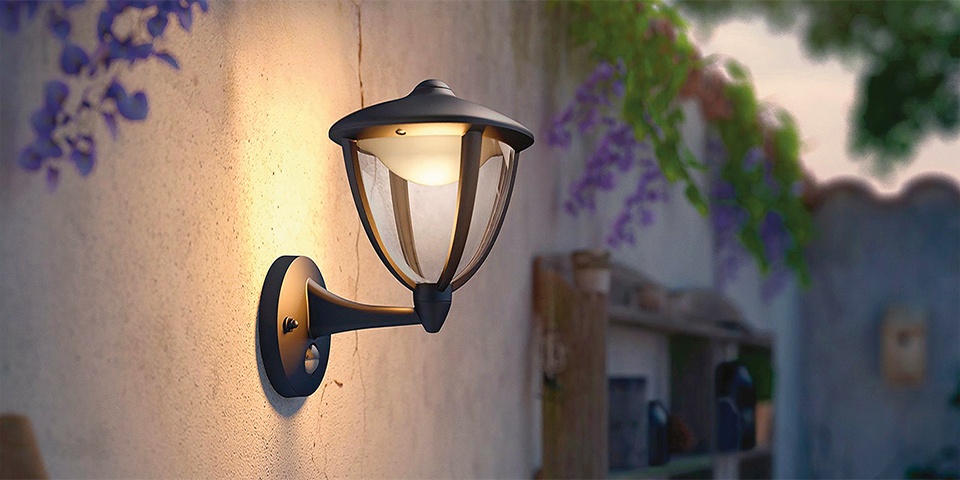
Making sure your outdoor areas are well-illuminated is an effective way to keep potential criminals at bay. A well-lit house not only indicates that there are people at home, but it also makes any suspicious activity clearly visible to you and your neighbors.
2. Street lighting

Potential criminals scouting out homes to burglarize will be deterred by a well-lit street. Burglars prefer dimly lit areas that allow them to go undetected.

If your neighborhood lacks sufficient street lighting, take action with local officials to push for better lighting. If there is an active neighborhood association in your area, get involved with them and drum up support for your cause.

3. Improve Visibility

The visibility of your home from the road or from a neighbor’s home plays an important role in securing your home from the outside. If your house is not visible from the road, or the road is not visible from inside your house, you may want to reconsider your landscaping as a security precaution.

Overgrown shrubbery and large obstructing trees can block your view of the road,as well as hide certain areas in your yard. Out-of-sight areas in your yard are great spots for thieves to hide—but these spots are easy to eliminate!

Trimming large bushes and removing overgrown trees will help to increase your visibility and help your neighbors spot suspicious behavior around your property.

4. Demarcate your property

A fence, gate, or wall around your home lets others know exactly where your property begins. Apart from keeping unwanted visitors out, having a fence or wall around your yard will increase your sense of security and immediately make you feel safer. It also allows you to easily discern a trespasser from a visitor.

5. Hide expensive items

Don’t leave any expensive purchases visible in your yard or near your windows. Potential criminals passing by your home look for signs that your home contains high-value items that are easily carried off. Expensive purchases, such as electronics, should be put away when they’re not in use.

6. Motion detectors

Equip your property with a top rated home security system and feel the worry fade away! Today’s high-tech alarm systems come with built-in motion detectors that alert you to movement on your property.
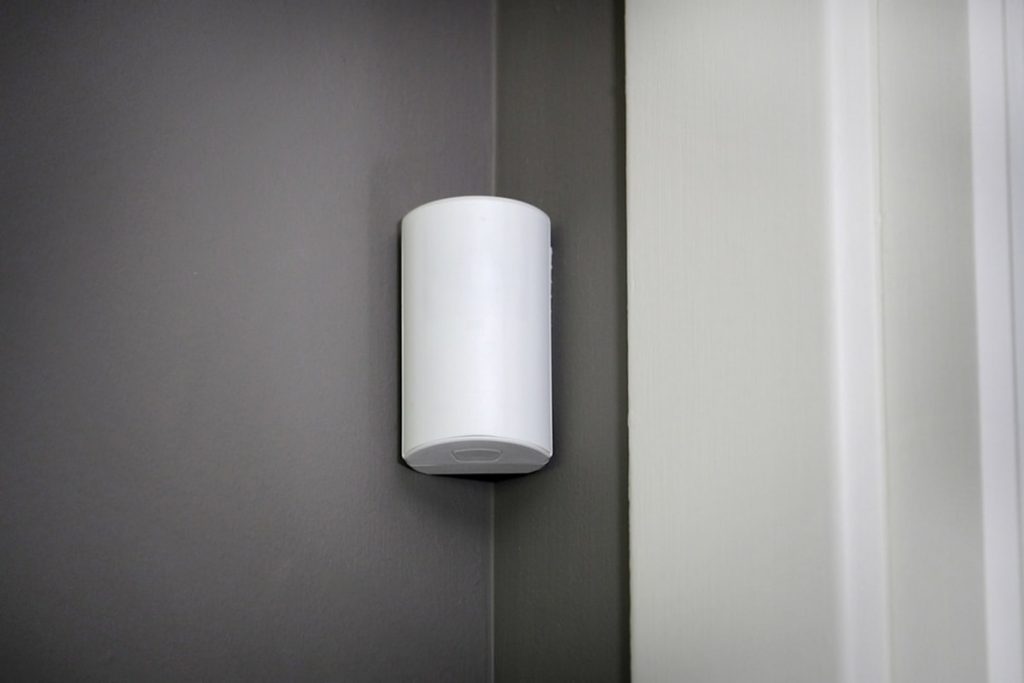
You don’t need to be at home to receive these alerts, and you can customize the zones in need of surveillance. Furthermore, alarm systems with motion sensors act as a deterrent to potential burglars, thus making them one of the best precautionary measures you can take to secure your property.

7. Lock your doors

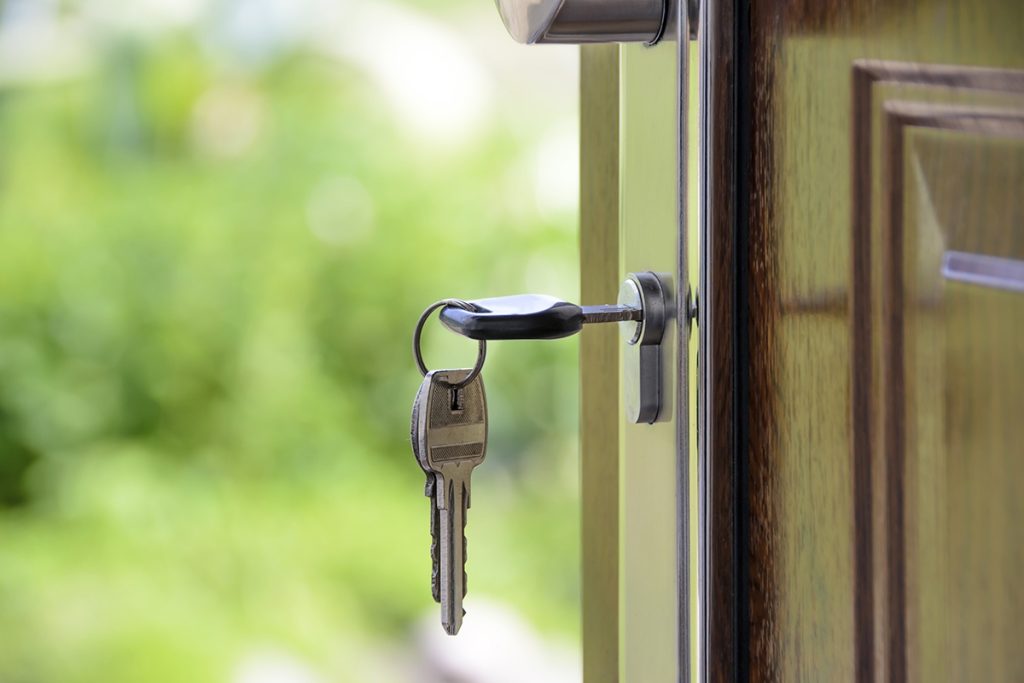
Locking your doors seems like an obvious thing to do! But many people become complacent when it comes to latching their front door or locking up the garage when they leave.

People assume that burglars wouldn’t try to open the garage door or that breaking in through the front door is too obvious. But that’s not the case.

What locks are best for security?

Schlage or Yale are good brands to start with.

If you want the absolute best of the best, consider a solid metal magnetic lock like a Evva MCS which has anti-drill measures. Even many of the best locksmiths aren’t able to crack this one. Also consider established lock brands like:

  • Mul-T-Lock (MT5+ core)
  • Medeco
  • Assa Abloy

The bottom line? Lock your doors when you leave and when you come home.
key in lock

8. Reinforce your door

Here’s what you can do to strengthen the door against physical attacks:

  • Get 3-inch screws for your strike plate and hinges. These will bite into the stud and help defend against kicking attacks.
  • Use a metal sleeve insert around the lock hardware of the door. Consider an extended steel strike plate that lines your entire door jamb.

By protecting the hinges, lock hardware holes, and strike plate, your door can withstand everything short of a vehicular battering ram. Products like the Door Devil offer a convenient solution.
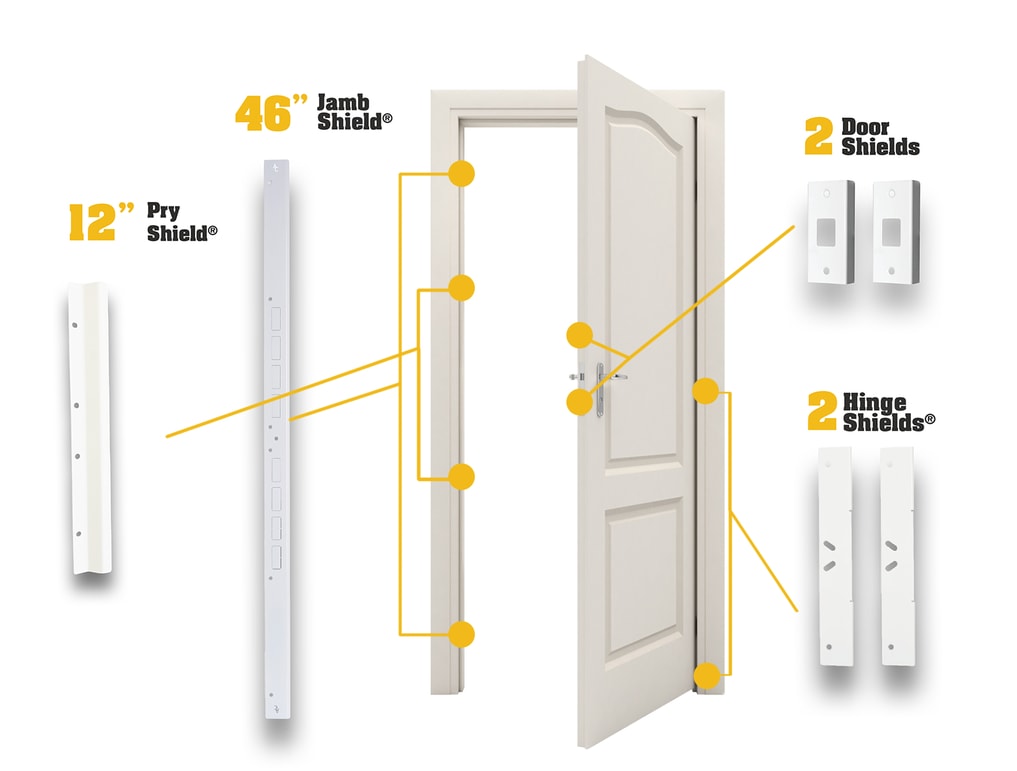
Armored Doors

9. Meet the Neighbors

Get to know your neighbors and form relationships with them. Good neighbors look out for you and will notify you if they sense anything is amiss.

Neighbors get used to seeing the types of visitors who frequent your property and behaviors that occur around your home and the times at which they occur. They can easily spot a stranger who should not be there and alert you if they suspect something is wrong.

10. Neighborhood watch

If your neighborhood doesn’t already have one, consider forming a neighborhood watch committee. The committee would be responsible for discussing the goings-on of the area as well as creating crime awareness and discussing any suspicious activity. You can also join online forums or social media groups dedicated to your neighborhood.

11. Be prepared in bad weather and power outages

Remember, criminals strike when opportunity presents itself. They don’t take a day off during a storm or power outage. Be extra vigilant if the weather is bad and your view of your yard is obstructed by rain, snow, or fog.

If you experience power outages in your area, make sure to lock all your doors to the outside. Be wary of electronic gates that cease to function when the electricity is cut off—these can easily be pushed open without an alarm sounding.

12. Don’t say too much!

Be careful not to say too much about the security of your home or your holiday plans to strangers, especially on social media.

Also, be wary of people who ask too many questions about your daily schedule, home layout, or security equipment. Information that doesn’t seem important at the time may very well be critical to a criminal’s break-in plan.

13. Be wary of service providers

If you’re hiring someone to fix a burst pipe, install an appliance, or even mow the lawn, be wary of the areas of your house that they have access to. Criminals can easily pose as a service provider, as the position allows them unfettered access to your home, free of your suspicion.
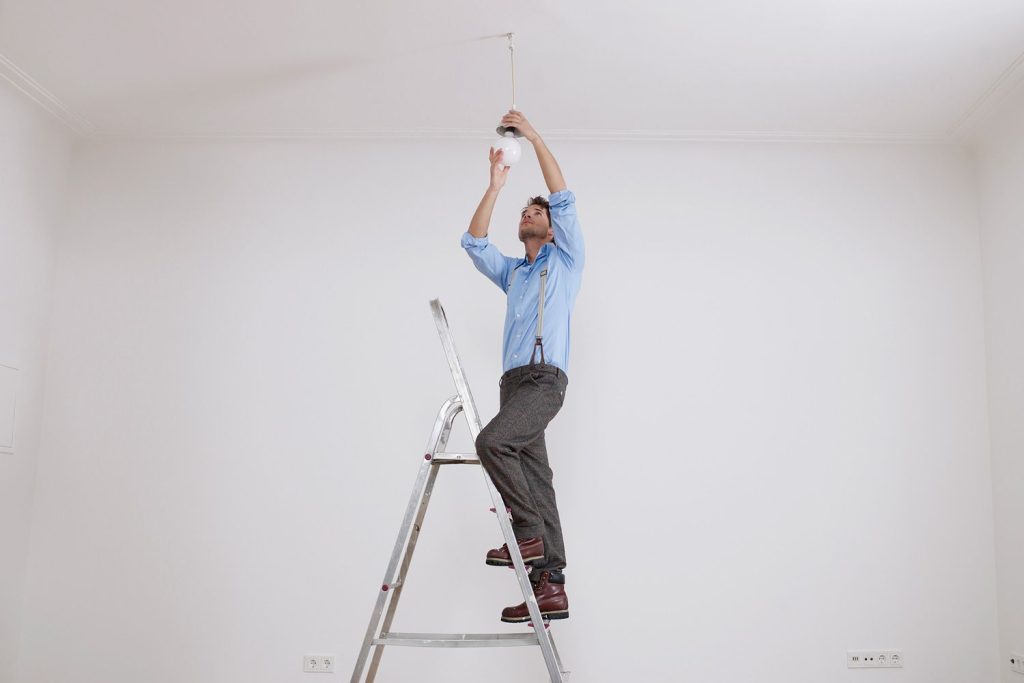
Make sure service providers are supervised and aren’t wandering around your home freely with an opportunity to unlatch a window or disable a camera.

14. Be vigilant during the day

Statistics show that the most common time for burglaries is during the day. Contrary to popular belief, break-ins occur more commonly during the day as it’s usually the time when you’re at work and the kids are at school. Make sure to arm your alarm system when you leave home in the morning!

Securing Your Home on the Inside

15. Install burglar bars

Normally, a burglar can break through a window and enter a home in 5-10 seconds. Ground floor windows are the way burglars are most likely to gain entry to your home.

Installing burglar bars on the windows of your home is an effective method of burglar-proofing. The bars are fitted on the inside of the window frame and provide another layer of security for you and your loved ones. They’re not the most aesthetically pleasing, but they are effective at keeping intruders out of your home.

Any trespasser trying to break into your home through a window will have no luck if it is fitted with burglar bars. Additionally, you could double-up on securing your windows by fitting them with safety glass or window laminate.

16. Lock your inside doors

Of course, you know you should lock your exterior doors at night. But you may want to consider locking interior doors as well as an extra security precaution.

For example, if there is a door leading into the bedroom quarter of your house, this should be locked, too. And if you live alone and want an extra preventative measure, consider locking your bedroom door at night.

If your interior doors need extra reinforcement, try something like the Buddybar Door Jammer, a portable device that when attached to your door can withstand up to 2,560 pounds of force.

17. Home security system

An alarm system allows you to arm and disarm certain parts of your house at the same time using a keypad. You can alarm the downstairs area of your house while keeping the upstairs disarmed for your convenience. Furthermore, a home security alarm system will show you where the alarm was triggered should it go off.
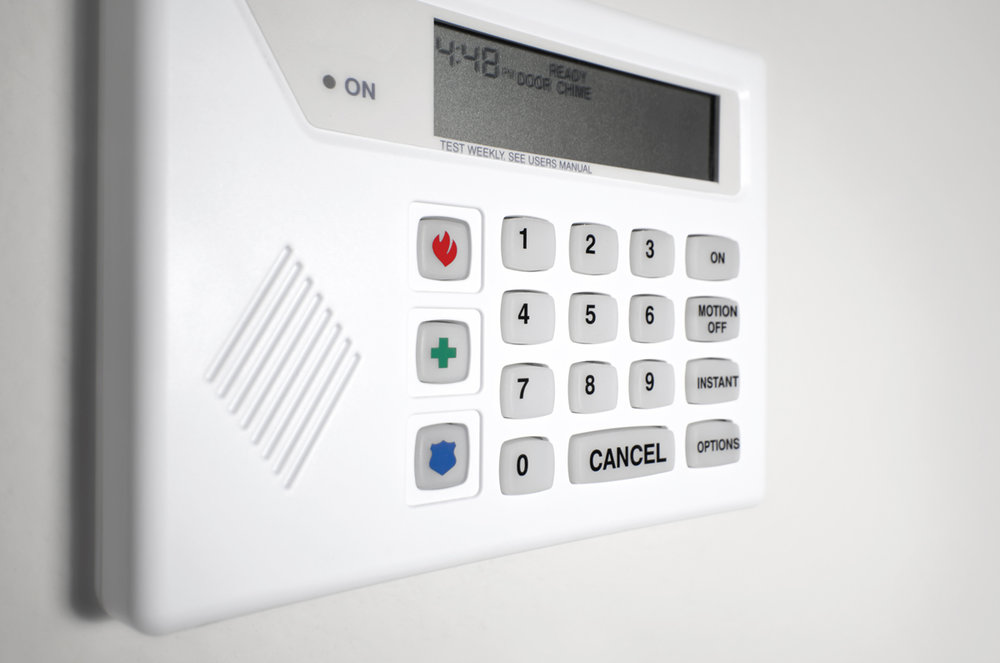
Modern home security systems come with an array of smart home features that will leave you feeling confident about the security of your household. Control the doorbell, alarm, and cameras from the convenience of your smartphone so you don’t need to be at home to know who’s at the door!

If you need help choosing the right security system for your home, ask a local alarm company near you.

For Boston-area residents, knowing your neighborhood’s burglary rate is a critical first step. Check out our Boston neighborhood crime statistics.

18. Security cameras

Placing security cameras in strategic places around your home will allow you to monitor important areas of your house. Whether it’s a separate camera setup you purchase or it integrates with your smart home security system, the idea is to have access to visual surveillance of your home, whether you’re at the office or in your bed. By using a home alarm system with cameras, you’ll be able to see whatever is tripping the alarm and confirm whether it was caused by a genuine emergency.
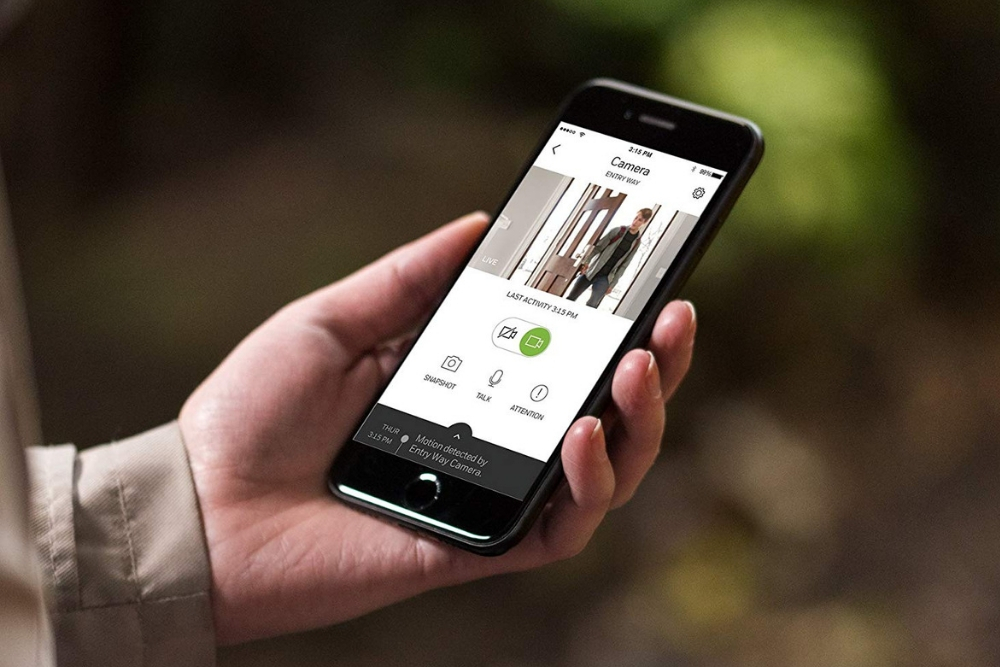
Security cameras give you the ability to check on areas of your home throughout the day so you can keep an eye on the kids playing in the front yard or follow up on suspicious noises at night.

19. Spare keys

It’s essential to have a spare key for your house and keep it an area that is easily accessible and secure at the same time. But rather than hiding your spare key under the doormat or under a potted plant, leave it with a neighbor or trusted friend instead.

Burglars and potential thieves know to look for a spare key around your doors, so be on the safe side and prevent it from getting into the wrong hands.

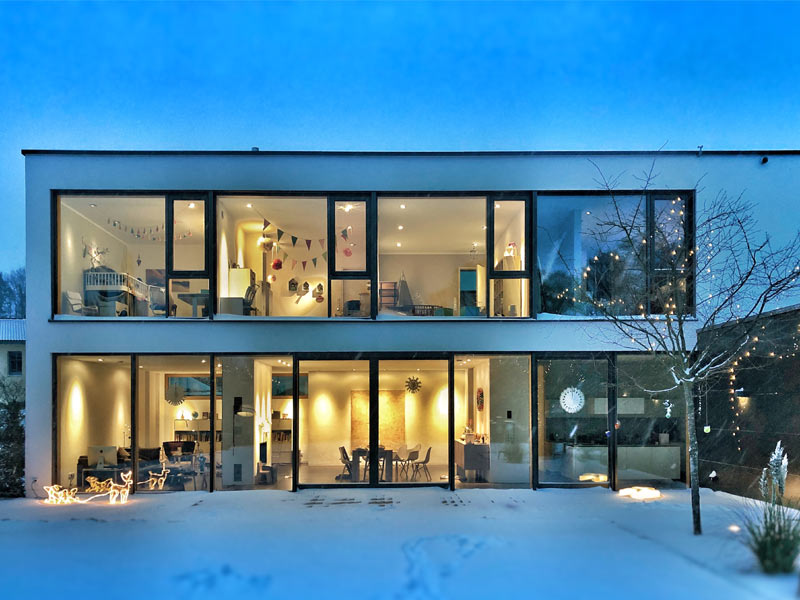
20. Cover up the glass

While you should be able to see the road from your house, you don’t want people to be able to see inside your home from the road. Large glass sliding doors and floor-to-ceiling bay windows are pleasing to the eye but also provide a clear view of the inside of your home. Potential burglars can easily tell whether there is anyone home, and they have a view of valuable items such as TVs and decorative pieces.

Use curtains, blinds, or privacy film on the glass to obstruct people’s view from the outside and prevent any instances of “window shopping.” What an outsider can’t see will not tempt them!
21. Alarm your windows

Remember the window over the sink—a favorite for seasoned burglars!

It’s a known fact that the bathroom window on the second story often provides easy access to the master bedroom, jewelry, and other valuables. You may want to consider motion detectors on key second-story entry points as well.

22. Install a dividing gate

Another level of security to consider is a gate that provides an extra barrier between you and any intruder who may enter your home. Many floor plans group bedrooms together at one end of the house or on the second floor. This makes it easier for you to protect that group of bedrooms with a gate. Choose a suitable space—usually, a hallway—and have a swing gate or concertina gate fitted.

Apart from the extra peace of mind you get when going to sleep, the dividing gate will also protect you and your loved ones from coming into contact with any burglar who manages to enter your home.

23. Own a fireproof safe

Invest in a safe to store your valuables in. Purchase a fire-proof safe that is bolted to the wall or floor so that burglars can’t simply remove the entire safe from your home.
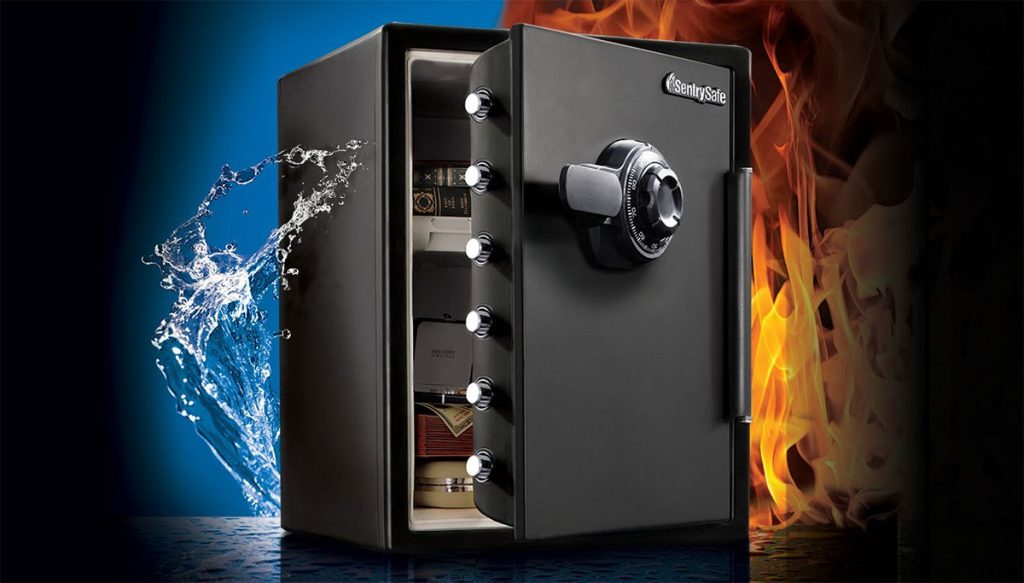
A safe will ensure your valuables are secure and untouched. Make sure to keep the passcode secure with you, and don’t write it anywhere it can be easily found—including on your mobile phone!

Whenever you purchase an expensive item, take the receipt and put in the safe. You may need the receipt to help process an insurance claim if something is stolen.

In addition, keep serial numbers (and photos, if possible) of anything you care about. If your laptop gets stolen and you spot it in a local pawn shop, you won’t be able to get it back unless you have that serial number already on file somewhere.

Securing Your Home While You’re Away

24. Lights

Leaving the light on in one or more rooms of your house is a great way to make it seem as though there is someone at home. Potential burglars are deterred by the presence of people in the house and are not likely to target your house if it seems like someone’s home.
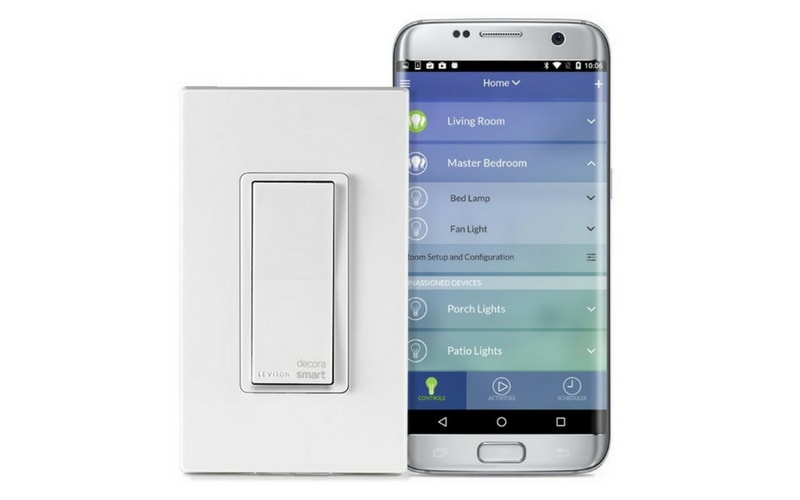
Smart Lighting App

Better yet, invest in smart light bulbs that can be controlled remotely or scheduled to turn on at certain times of the day. Using smart home technology will allow you to fool potential burglars by continuing to turn lights off and on at your normal schedule even while you’re away.

25. Keep Your Neighbors Informed

Enlist the help of your neighbors the next time you plan on going away on vacation. Asking them to drop in at your house every evening or every few days will show activity in the house or give the impression that you have guests over. This will further deter any criminal from viewing your home as an easy target.

26. Newspapers

Newspapers that collect on your lawn or front porch are a sure sign that no one is home! You’re letting a potential robber know that no one has been home for a few days. If your front yard or front porch is visible from the road, make sure to ask someone (a friend or neighbor) to collect the newspaper regularly.

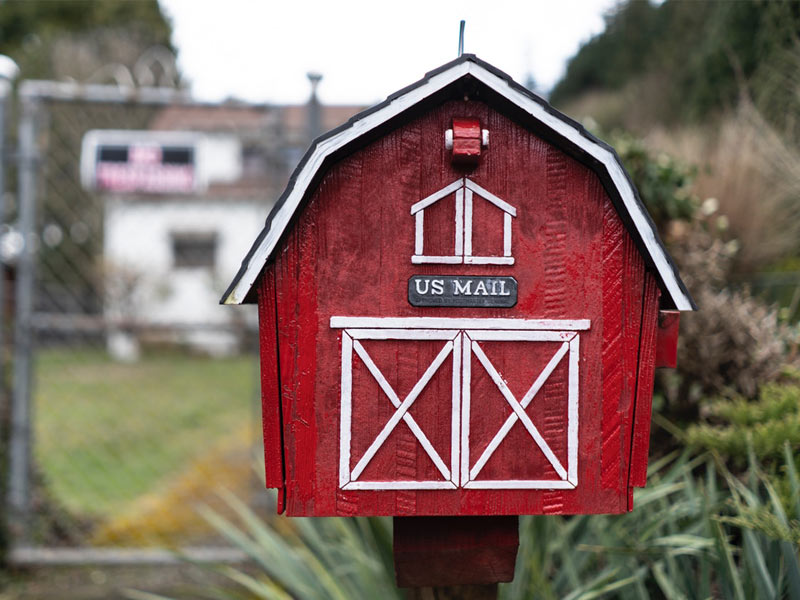
27. Mail

If you’ll be away from home for more than a few days, your overflowing mailbox may make it obvious to potential burglars that you’re not home. Have someone check your mailbox daily, or put a hold on your mail delivery through the postal service. Double-check that you don’t have any packages that will be delivered while you’re gone, too.
28. House sitter

Consider having a friend or family member stay over at your home if you’re going to be away for an extended period of time. This will ensure that someone is keeping an eye on your house, and the presence of someone in the house will deter burglars.

29. Video doorbell camera

Doorbell cameras are a must-have element of a smart home security system and are very effective at providing you with up-to-date surveillance of your home. You can gain access to your security camera’s live footage at any time, from anywhere!
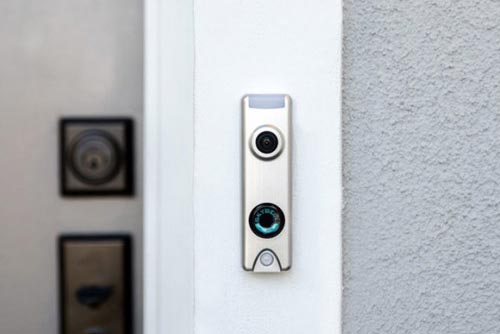
Skybell Trim Plus Video Doorbell

A smart home doorbell system will alert you to suspicious activity in your yard and front door so you’ll always know what’s going on at home, no matter where you are. Ask your security system company to see if they offer these devices and whether their service is right for your needs.

30. Short trips

Consider going away for shorter periods of time if possible. Shorter trips will be less obvious to potential burglars who are on the lookout for empty homes.

No matter how long you’ll be away from home, though, make sure to have someone check on your house to collect mail and newspapers, and take precautions to make it less obvious you’re away.

Resources on Burglary and Home Security

There have also been several books and articles written by US and UK researchers based on interviews with hundreds of burglars:

Preventing a Burglary Starts Today

These burglar-proofing tips will help you secure your home and keep your family and property safer. Want even more ideas on how to keep your home safe?

Check out our home security service offerings and contact Alarm New England to learn how we can help you make your home even safer.
X

GET FREE QUOTE

What are you protecting?*

Step 1 of 4

Is your property currently monitored?*

Step 2 of 4

What size is your property?

Step 3 of 4

Who is this personalized quote for?*

By clicking this button, you consent for Alarm New England to use automated technology to contact you at the number provided. This consent is not required to make a purchase from us.

Step 4 of 4