
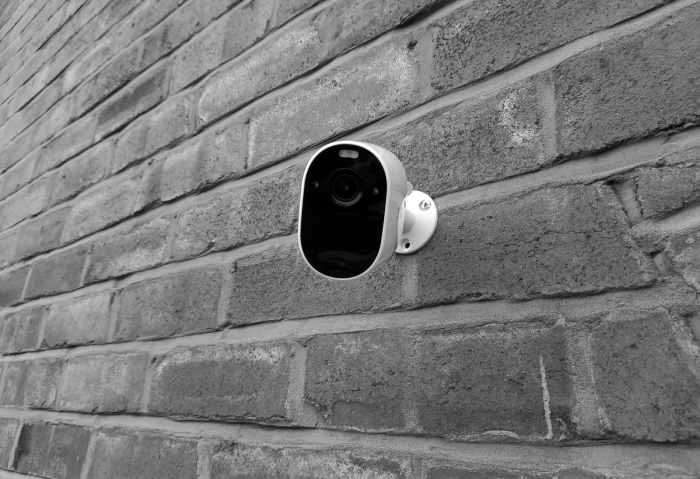
Outdoor Security Cameras – Types and Installation Tips

Outdoor security cameras have become a crucial component of modern home security systems, providing homeowners with a heightened sense of safety and peace of mind. These cameras serve as vigilant guardians, monitoring the exterior of your property around the clock. In this article, we will delve into the types of outdoor security cameras, installation tips, and privacy considerations to help you make informed decisions about securing your home.

Types of Outdoor Security Cameras

Wired Cameras: Wired outdoor cameras require a physical connection to a power source and, in some cases, a wired internet connection. They provide continuous power but may necessitate professional installation.

  • Wireless Cameras: Wireless outdoor cameras utilize Wi-Fi for connectivity and are relatively easy to install. They are powered by batteries or solar panels, offering flexibility in placement.
  • PTZ Cameras: Pan-tilt-zoom (PTZ) cameras can be remotely controlled to pan, tilt, and zoom, enabling coverage of various angles and views. They are ideal for monitoring extensive outdoor areas.
  • Bullet Cameras: Bullet cameras are known for their elongated, cylindrical shape. These weatherproof cameras are designed for fixed surveillance of specific areas.
  • Dome Cameras: Dome cameras feature a discreet, dome-shaped housing. They are often used in commercial settings but can also be suitable for home security.
  • Smart Cameras: Smart outdoor cameras come equipped with advanced features such as motion detection, facial recognition, and integration with smart home systems. They can send alerts and notifications to your smartphone when suspicious activity is detected.

Installation Tips

  • Strategic Placement: Choose strategic locations for your outdoor cameras, focusing on entry points like doors and windows, pathways, and driveways. Ensure they are not easily accessible to tampering.
  • Weatherproofing: Opt for cameras with an IP rating that indicates resistance to dust and water. Weatherproofing is vital for outdoor cameras exposed to the elements.
  • Power Source Selection: Determine whether wired or wireless cameras best suit your property’s layout and your preferences. Wired cameras offer a continuous power supply but may require professional installation.
  • Wi-Fi Signal Strength: If using wireless cameras, ensure a robust and stable Wi-Fi signal in the camera’s location. Consider installing Wi-Fi extenders if signal strength is weak.
  • Lighting Enhancement: Adequate outdoor lighting can improve camera performance. Consider installing motion-activated lights to illuminate areas when motion is detected.

The Value of Outdoor Security Cameras

With this in mind, you might have some ideas about the outdoor security cameras you would like for your home. Outdoor security cameras play a pivotal role in enhancing home security by providing constant monitoring and valuable insights into potential security threats. By selecting the right type of camera, considering installation factors, and respecting privacy concerns, you can harness the benefits of outdoor security cameras while effectively safeguarding your property and the privacy of others.
The Relationship Between Home Automation and Security

In an era of rapid technological advancement, home automation has become increasingly popular. This seamless integration of technology into our daily lives has transformed the way we interact with our homes, making them smarter, more efficient, and safer. One of the most significant aspects of home automation is its role in enhancing home security.

The Evolution of Home Automation

Home automation has come a long way since its inception. What started as simple remote-controlled lighting and thermostat systems has now evolved into a complex network of interconnected devices. Smart homes today are equipped with a wide range of gadgets and sensors, all designed to make life more convenient and secure.

The Role of Home Automation in Security

Home security is a top priority for homeowners, and automation has made great strides in this area. Here are some ways in which home automation enhances security:

  1. Smart Locks: Smart locks have revolutionized home security by allowing homeowners to remotely control and monitor their doors. They provide features such as keyless entry, temporary access codes, and real-time notifications when someone enters or exits the house. This level of control gives homeowners peace of mind and deters potential intruders.
  2. Video Surveillance: Home automation has made video surveillance systems more accessible and user-friendly. With Wi-Fi-enabled cameras and mobile apps, homeowners can monitor their property in real-time from anywhere. Some systems even offer facial recognition and motion detection, sending alerts when suspicious activity is detected.
  3. Smart Alarms: Traditional home alarms are now integrated with automation systems, allowing for better customization and control. Smart alarms can send alerts directly to your smartphone, enabling a quicker response in case of a break-in or emergency.
  4. Lighting Control: Automated lighting systems can simulate your presence at home even when you’re away. You can schedule lights to turn on and off or control them remotely, creating the illusion of an occupied house to deter potential burglars.
  5. Window and Door Sensors: Sensors placed on windows and doors can detect unauthorized entry and trigger alarms or send notifications to your phone. These sensors are discreet and can be seamlessly integrated into your home’s design.
  6. Integration with Voice Assistants: Many home automation systems can be controlled using voice commands through popular voice assistants like Amazon’s Alexa or Google Assistant. This adds another layer of convenience and accessibility to your security measures.
  7. Smoke and Carbon Monoxide Detectors: Smart smoke and carbon monoxide detectors not only sound alarms but also send alerts to your smartphone when they detect potential hazards. This can be especially useful when you’re not at home.

The Benefits of Home Automation in Security

The integration of home automation into security systems offers numerous benefits:

  1. Peace of Mind: Knowing that you can monitor and control your home’s security remotely provides a sense of security and peace of mind, whether you’re at work or on vacation.
  2. Energy Efficiency: Home automation systems can optimize energy usage, helping you save on utility bills while reducing your carbon footprint.
  3. Convenience: Automation simplifies daily tasks, such as adjusting the thermostat, turning off lights, and arming the security system, making your life more convenient.
  4. Customization: You can tailor your automation system to meet your specific security needs and preferences, giving you full control over your home’s safety.

Going Hand In Hand

Home automation and security go hand in hand in the modern world. The convenience, customization, and peace of mind it offers make it an attractive option for homeowners looking to enhance their security measures. As technology continues to advance, we can expect even more innovative solutions to further improve home automation and security. Whether you’re looking to protect your family or simply make your daily life more comfortable, home automation has something to offer for everyone.

Security System Integration With Smartphones

In today’s digital age, the integration of security systems with smartphones has revolutionized the way we safeguard our homes. No longer confined to traditional alarm systems, homeowners now have the power to monitor and control their security setups remotely, all from the palm of their hands. In this article, we will delve into the world of security system integration with smartphones, exploring the features, benefits, and how this synergy is reshaping the future of home protection.

The Evolution of Home Security

Gone are the days when home security systems were limited to basic alarms triggered by a door sensor or motion detector. Today’s security systems are intelligent, connected, and designed to provide homeowners with comprehensive protection.

One of the key advancements in this evolution is the integration of security systems with smartphones. This integration has brought a host of benefits, making it easier than ever to keep an eye on your home, no matter where you are.

Remote Monitoring and Control

The most significant advantage of smartphone integration with security systems is the ability to remotely monitor and control your home’s security. With the installation of a compatible app on your smartphone, you gain real-time access to your security cameras, sensors, and alarms.

This means that whether you’re at work, on vacation, or simply away from home, you can check in on your property whenever you like. If a motion sensor is triggered or an alarm goes off, you receive an instant notification on your phone, allowing you to take immediate action or alert the authorities if necessary.

Live Video Streaming

Many modern security systems offer live video streaming through smartphone apps. This feature enables you to view the interior and exterior of your home in real-time. Whether you want to see who’s at the front door, check on your pets, or monitor the kids coming home from school, live video streaming provides peace of mind and added security.

Two-Way Audio

In addition to video streaming, some security systems allow for two-way audio communication. This means you can not only see what’s happening but also have a conversation with anyone near your security cameras or doorbell. Whether it’s a delivery person or an unexpected visitor, you can interact with them without being physically present.

Remote Arming and Disarming

Forgot to set the alarm system before leaving home? No problem. Smartphone integration allows you to arm or disarm your security system remotely. This flexibility is incredibly convenient and ensures that your home is protected even if you forget to set the alarm before leaving.

Customized Alerts

Smartphone apps for security systems offer customizable alert settings. You can choose the types of alerts you want to receive and how you receive them. Whether it’s a push notification, email, or SMS, you can tailor your alerts to match your preferences and priorities.

Integration with Smart Home Devices

The synergy between security systems and smartphones extends beyond just monitoring and control. Many security systems integrate seamlessly with other smart home devices. This means you can create customized automation scenarios that enhance both security and convenience.

For example, you can program your smart lights to turn on when motion is detected by your security cameras, creating the illusion of an occupied home even when you’re away. You can also integrate smart locks, allowing you to remotely lock or unlock doors for trusted individuals or service providers.

Enhanced Security

The ability to monitor your home remotely and receive instant alerts significantly enhances the security of your property. You can respond to potential threats in real-time, whether it’s a break-in, a fire, or a gas leak. This quick response can make all the difference in preventing damage or loss.

Moreover, the presence of visible security cameras and smartphone-controlled alarms acts as a deterrent to potential intruders. When they see that your home is under surveillance and that you can respond immediately, they are less likely to attempt any criminal activity.

Peace of Mind

Perhaps one of the most valuable aspects of smartphone integration with security systems is the peace of mind it provides. Knowing that you can check on your home whenever you want, receive alerts, and take action if needed, allows you to relax and focus on other aspects of your life.

Choosing the Right System

When considering a security system with smartphone integration, it’s essential to choose the right one for your needs. Here are some factors to consider:

Compatibility

Ensure that the security system you select is compatible with your smartphone’s operating system (iOS, Android, etc.) and that it offers a user-friendly app.

Cameras

If video surveillance is a priority, select a system with high-quality cameras that provide the resolution and coverage you need.

Customization

Look for systems that allow you to customize alerts, automation rules, and settings to match your preferences.

Professional Monitoring

Some systems offer professional monitoring services in addition to smartphone control. Consider whether you want this added layer of security.

Smart Home Integration

If you have existing smart home devices, make sure your security system can integrate with them seamlessly.

The New Era in Home Protection

The integration of security systems with smartphones has ushered in a new era of home protection. With remote monitoring and control, live video streaming, two-way audio, and integration with smart home devices, homeowners now have the power to secure their homes with unprecedented convenience and efficiency. As technology continues to advance, this synergy between security systems and smartphones is only expected to become more sophisticated, ensuring that the future of home protection is both smarter and safer.

Advancing Home Safety and Convenience with Wireless Security Systems

Wireless security systems have transformed the way we safeguard our homes. In an era where technology continues to redefine our daily lives, these innovative systems have become an integral part of modern home security. Welcome to the world of wireless security systems. Explore their features, benefits, and why they are the preferred choice for many homeowners.

Cutting the Cord: What Are Wireless Security Systems?

Wireless security systems, also known as wireless home security systems, are a contemporary approach to safeguarding your residence. Unlike traditional wired systems that rely on physical connections between various components, wireless systems communicate through radio frequency signals. These systems encompass a range of devices, including sensors, cameras, control panels, and more, all connected wirelessly to form a comprehensive security network.

The Advantages of Going Wireless

  • Ease of Installation: One of the primary advantages of wireless security systems is their simplicity and flexibility during installation. There’s no need for extensive wiring throughout your home, which means less mess and disruption during setup. This also makes them an excellent choice for renters, as they can easily be moved to a new location.
  • Remote Accessibility: Wireless systems allow homeowners to monitor their security remotely. Through smartphone apps or web portals, you can access live feeds, receive alerts, and control your security system from virtually anywhere, providing peace of mind even when you’re away from home.
  • Scalability: These systems are highly scalable. You can start with a basic setup and expand it as needed. Whether you want to add more sensors, cameras, or other devices, wireless systems accommodate growth without the hassle of rewiring.
  • Reliability: Wireless technology has come a long way, and modern systems are exceptionally reliable. They feature robust encryption and security protocols to protect against hacking, ensuring the safety of your data and system.
  • Integration with Smart Home Devices: Wireless security systems often integrate seamlessly with other smart home devices. This means you can incorporate your security system into your existing smart home ecosystem, controlling lights, locks, and even thermostats to enhance both security and convenience.
  • Customization: Homeowners can tailor wireless security systems to their specific needs. You can choose the types and number of sensors, cameras, and other components that best suit your home and lifestyle.
  • Cost-Efficiency: While wireless security systems may have a higher upfront cost than their wired counterparts, the ease of installation and flexibility can result in cost savings in the long run. Additionally, many wireless systems do not require professional installation, further reducing costs.

Key Components of Wireless Security Systems

To understand how these systems work, it’s essential to grasp their key components:

  • Control Panel: The control panel serves as the central hub of the system. It communicates with all other devices and is where you arm or disarm the system. Many control panels feature touchscreens for user-friendly operation.
  • Sensors: Sensors are placed at entry points like doors and windows or in areas where motion is detected. When a sensor is triggered, it sends a signal to the control panel, which then activates the alarm or sends an alert.
  • Cameras: Wireless security cameras provide video surveillance. They capture footage and, in some cases, feature two-way audio communication. These cameras can be placed both indoors and outdoors to monitor various areas of your property.
  • Motion Detectors: Motion detectors sense movement within their range and can trigger alarms or other responses. They are essential for detecting intruders or unauthorized activity.
  • Doorbell Cameras: A popular addition to many wireless systems is the doorbell camera. These devices allow you to see and communicate with visitors at your front door, even when you’re not home.
  • Key Fobs or Keypads: Key fobs and keypads provide convenient ways to arm or disarm the system without using a smartphone or the control panel.

Selecting the Right Wireless Security System

When choosing a wireless security system for your home, consider the following factors:

  • Coverage Area: Assess the size and layout of your home to determine how many sensors and cameras you need for adequate coverage.
  • Integration: If you have existing smart home devices, ensure that the security system you select is compatible and can be integrated seamlessly.
  • Monitoring Options: Decide whether you want professional monitoring or self-monitoring. Professional monitoring services can provide 24/7 surveillance and emergency response.
  • Budget: Determine your budget for the initial purchase and any ongoing monitoring fees.
  • Scalability: Consider your future needs and whether the system can be expanded as your requirements change.

Installation and Setup

Installing a wireless security system is typically straightforward and can often be done as a DIY project. However, some homeowners may prefer professional installation for added peace of mind. Here’s a general overview of the installation process:

  • Choose Your Equipment: Select the control panel, sensors, cameras, and any additional devices you need.
  • Install Devices: Follow the manufacturer’s instructions to place sensors and cameras in strategic locations. Ensure they are securely mounted and have a clear line of sight.
  • Set Up Control Panel: Power on the control panel, connect it to your Wi-Fi network, and follow the on-screen instructions to configure the system.
  • Configure Alerts: Set up alerts, such as notifications for specific events or alarms, through the control panel or smartphone app.
  • Test the System: Perform thorough testing to ensure all devices communicate effectively with the control panel and that alerts are functioning correctly.

Wireless vs. Wired Security Systems

When it comes to choosing a security system for your home, one critical decision is whether to opt for a wireless or wired system. Each option has its own set of advantages and considerations, and the choice largely depends on your specific needs and circumstances.

Wireless Security Systems

Wireless systems, as discussed earlier, offer the convenience of easy installation and flexibility. They are ideal for both homeowners and renters because they do not require extensive wiring or drilling. This makes them a non-invasive and temporary solution for those in rental properties.

The wireless technology used in these systems has evolved significantly, making them reliable and secure. With encryption and anti-hacking features, wireless security systems provide robust protection for your home.

Additionally, wireless systems excel in remote accessibility. Through mobile apps or web portals, homeowners can monitor their security in real-time, receive instant alerts, and control their systems remotely. This level of convenience is highly valued in our fast-paced, connected world.

However, wireless systems may have limitations in terms of range, making them less suitable for very large properties. They also rely on batteries, which require periodic replacement or recharging.

Wired Security Systems

Wired security systems, on the other hand, are known for their reliability and stability. These systems are hardwired into your home’s electrical and communication network, eliminating concerns about battery life or signal interference.

Wired systems are typically more challenging to install, often requiring professional assistance. They involve drilling holes and running cables throughout your home, which can be disruptive. This installation process makes them a better fit for homeowners who plan to stay in their current residence for an extended period.

While wired systems may lack the flexibility of wireless counterparts, they excel in terms of longevity and performance. They are less susceptible to signal interference, making them suitable for larger properties.

So, the choice between wireless and wired security systems ultimately depends on your preferences and the specific requirements of your home. Wireless systems offer convenience and flexibility, while wired systems provide reliability and longevity. Consider your priorities and consult with security professionals to determine which option is best suited to protect your home and loved ones effectively.

Considering Wireless Security Systems for Your Residential Property?

Wireless security systems offer homeowners a reliable, flexible, and convenient way to protect their homes and loved ones. With their ease of installation, remote accessibility, and integration with smart home devices, these systems have quickly become a cornerstone of modern home security. Whether you’re a tech enthusiast or simply looking for an effective way to enhance your home’s safety, wireless security systems are a valuable investment in peace of mind and protection.

Video Door Intercoms: Enhancing Home Security and Convenience

Video door intercoms have become an increasingly popular choice for homeowners looking to enhance their security and convenience. These innovative devices combine the functions of a traditional doorbell with live video and two-way audio communication, providing a host of benefits for homeowners. In this article, we will explore the features and advantages of video door intercoms.

Video Door Intercom Best Features

Video door intercoms, also known as video doorbells or video door entry systems, offer several key features that make them a valuable addition to any home:

Remote Viewing

One of the most significant advantages of video door intercoms is the ability to remotely view and interact with visitors at your doorstep. Through a mobile app or a dedicated monitor inside your home, you can see who is at your door, whether you’re at home, at work, or even on vacation.

Two-Way Communication

Video door intercoms allow you to have a conversation with visitors in real-time. Whether it’s a delivery person, a friend, or a service provider, you can communicate with them without opening the door, enhancing both safety and convenience.

Motion Detection

Many video door intercoms are equipped with motion detection sensors. These sensors can alert you to any activity near your doorstep, even if the visitor doesn’t press the doorbell. This feature is particularly useful for detecting potential intruders or package theft.

Night Vision

To ensure round-the-clock security, most video door intercoms are equipped with night vision capabilities. This means you can see and communicate with visitors even in low-light or nighttime conditions.

Cloud Storage

Some video door intercoms offer cloud storage for video recordings. This feature allows you to access and review past interactions and motion-triggered events, which can be valuable for security and documentation purposes.

Integration with Smart Home Systems

Video door intercoms can often be integrated into your existing smart home ecosystem. This means they can work seamlessly with other devices like smart locks, lights, and security cameras to create a comprehensive home security system.

Deterrent to Potential Intruders

The mere presence of a video door intercom can act as a deterrent to potential intruders. When they realize they’re being recorded and can be seen and heard, they are less likely to attempt any malicious activities.

Package Delivery Convenience

With online shopping unlikely to slow down, video door intercoms have become invaluable for receiving package deliveries. You can instruct delivery personnel on where to leave packages or remotely unlock the door for them to place packages inside, reducing the risk of package theft.

Visitor History

Video door intercoms often maintain a visitor history log. This log can be helpful for keeping track of who has visited your home and when, providing a record that can be useful for various purposes.

Peace of Mind

Ultimately, video door intercoms offer homeowners peace of mind. They provide an extra layer of security by allowing you to assess and control access to your home, whether you’re home or away.

In addition to these features, video door intercoms are available in various styles and price ranges, making them suitable for a wide range of homes and budgets. Some models are hardwired into your existing doorbell system, while others operate on rechargeable batteries for easy installation.

How to Make The Most of Your Video Door Intercom

To make the most of your video door intercom, here are a few tips:

Regular Maintenance: Keep the camera lens clean and ensure that the device is properly powered and connected to your network.

  • Set Up Alerts: Configure motion detection alerts on your device to receive notifications when there is activity near your door.
  • Secure Your Network: Ensure that your Wi-Fi network is secure to prevent unauthorized access to your video feed.
  • Use Smart Features: If your video door intercom integrates with other smart home devices, explore ways to automate and enhance your home security.
  • Check Local Regulations: Be aware of any local privacy or surveillance laws that may apply to the use of video door intercoms in your area.

Video door intercoms have evolved to become an essential component of modern home security and convenience. With their ability to provide remote viewing, two-way communication, motion detection, and integration with smart home systems, they offer homeowners a powerful tool to enhance safety and peace of mind. Whether you’re concerned about security, want to monitor package deliveries, or simply desire greater convenience, a video door intercom can be an excellent addition to your home.

X

GET FREE QUOTE

What are you protecting?*

Step 1 of 4

Is your property currently monitored?*

Step 2 of 4

What size is your property?

Step 3 of 4

Who is this personalized quote for?*

By clicking this button, you consent for Alarm New England to use automated technology to contact you at the number provided. This consent is not required to make a purchase from us.

Step 4 of 4