Everyday Tips on Avoiding Bike Theft

In the quest for a cleaner, greener way of life, cycling has increased in popularity because of its minimal carbon footprint. Cities around the world have adapted by creating bike lanes, bike parks, and bike parking facilities.

But with bicycles’ smooth integration into modern-day life, another facet of life adapts to it as well—crime.

To a thief, stealing bicycles can be more tempting than stealing cars. While they don’t fetch as much money on the resell, they are smaller, more inconspicuous, and are less likely to have an alarm system, making crimes difficult to trace. Bikes are also easier to resell since they can be sold directly on the streets without going through a dealer.

While many commercial locks, chains, and security accessories are available on the market, you should know how to make the most of even the most basic safety measures.

It is also important to be mindful how and where you park and take your bike. Here are some easy tips on how to prevent bike theft that you can apply to our day-to-day habits.

Firstly, are very few things will deter a persistent thief. The below methods aren’t 100% effective. However, they will make it harder for potential thieves to steal your bike.

Keep your bike indoors whenever possible.

This tip is specifically for those who like to keep their bikes outside or in the garage overnight. It may seem obvious, but bike owners may be lulled into a false sense of security when they park their bikes behind a gate or inside a garage. The truth is, if a thief has already got eyes on your bike and observes you leaving it in the perimeter of your home, it will still be relatively easy for them to access it.

Take the extra effort to bring it inside your house at night, or if you must leave it in the garage, make sure it’s chained to something large and immovable. We’ll discuss the proper way to chain your bike in a moment.

Choose parking spots with heavy traffic.

You probably can’t avoid parking your bike outside, especially if you use it for your everyday commute. When parking your bike out in public, choose spaces that have heavy foot and/or car traffic. Thieves are less likely to steal if there are witnesses.

If a thief knows he is more likely to get caught there, he may avoid the spot. Also, opt to park your bike with other bikes. The more there are, the less likely yours will stand out.

Don’t be too flashy.

Now this one may sound like victim blaming, but a thief will always go for the biggest payoff: the most expensive—or expensive-looking—bike. It’s unfair to put this burden on the owner, but it’s a fact.

We’re not deterring you from buying high-end bikes, but we advise that you be mindful of your investment. Large brand names, bright colors, and flashy accessories draw attention to how much your bike costs.

If you know your bike is tempting, perhaps find a safer, more exclusive parking for it. Better still, if you won’t be doing extensive road racing on a daily basis, maybe save the high-end bike for the track and use a cheaper one for your daily commute.

Avoid cable chain locks.

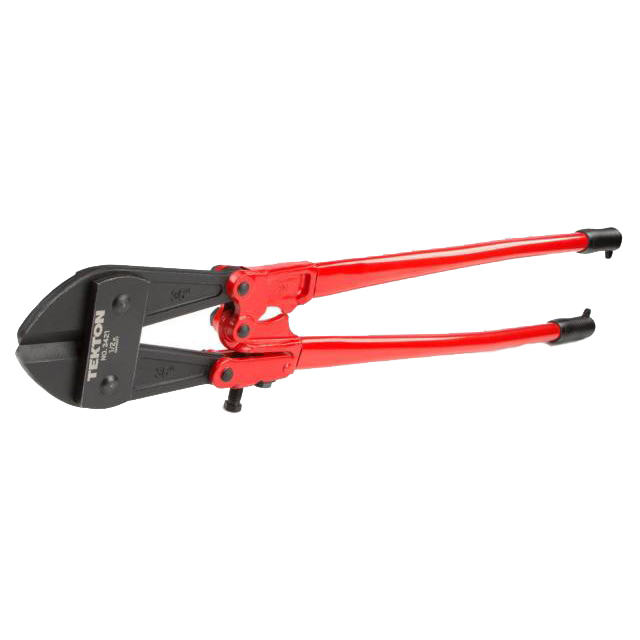
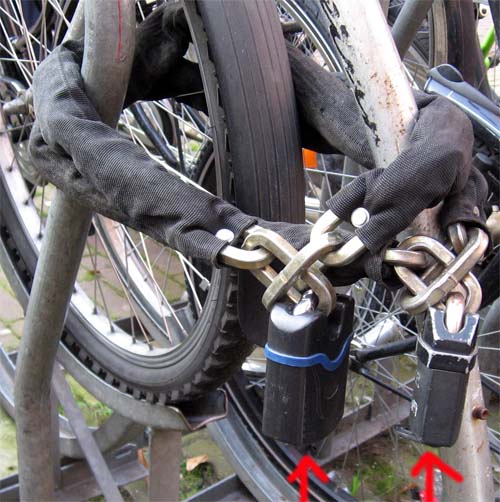
Cable chain locks are lightweight and easy to use, but they are also the easiest to break with a standard pair of bolt cutters. This is because it’s made of small strands of tensile material woven together instead of one solid mass.

bolt-cutters

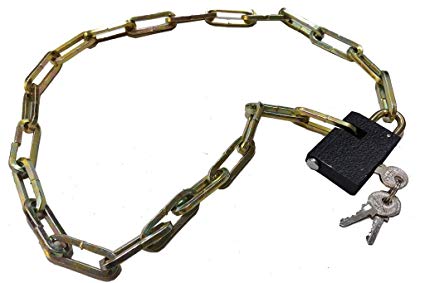
A thick chain, although more bothersome, is harder to damage. Thieves will need to have specialized equipment on hand to break the chain so that eliminates at least opportunistic ones from targeting your bike.

chain-lock

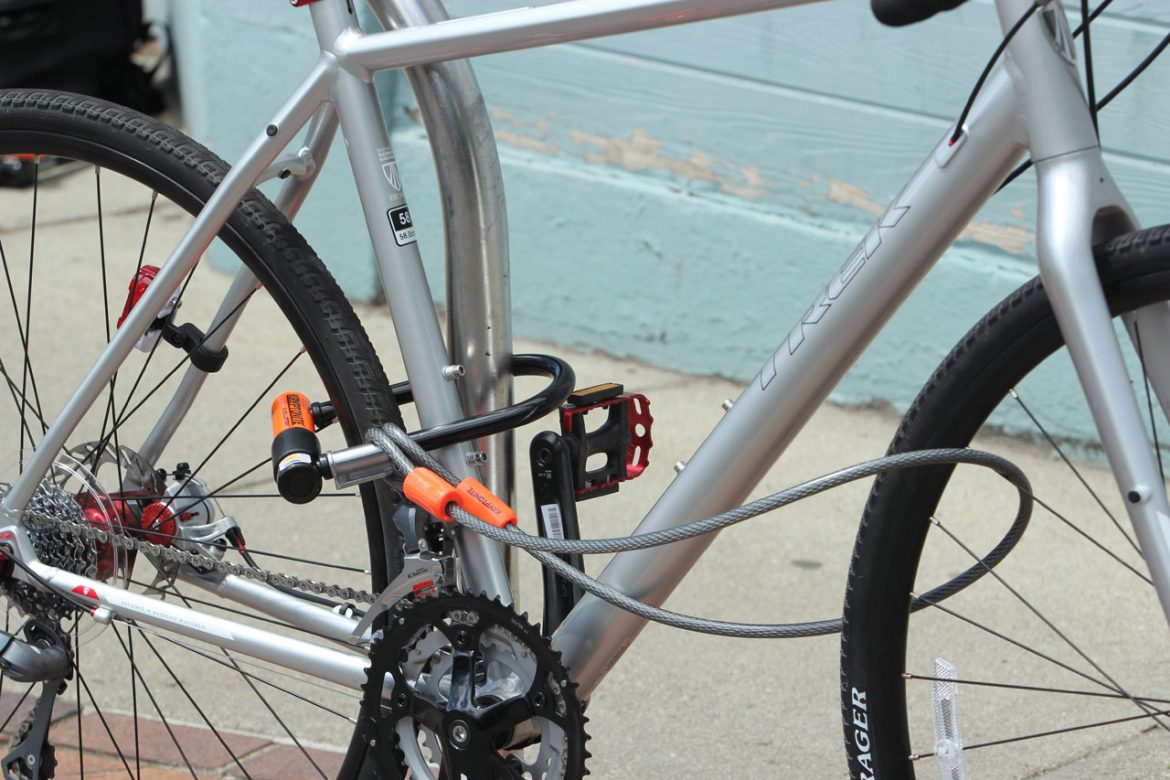
A U-lock is also a good option for locking your wheels to the frame. It’s made of thick, solid steel and difficult to cut or bend.

U-Lock-with-cable-with-bicycle

However, the U-lock isn’t as maneuverable as a regular chain. It is more advisable to use it in addition to chain locks instead of just on its own.

You can use a U-lock to secure the wheels and a chain lock to secure it to an anchor.

More on that later!

Secure removable components.

People don’t just steal bikes, they steal bike parts as well. These still have re-sell value, if not as bike parts, at least as metal. If you can replace quick release mechanisms on your bike with bolts, it makes it harder to take your bike apart.

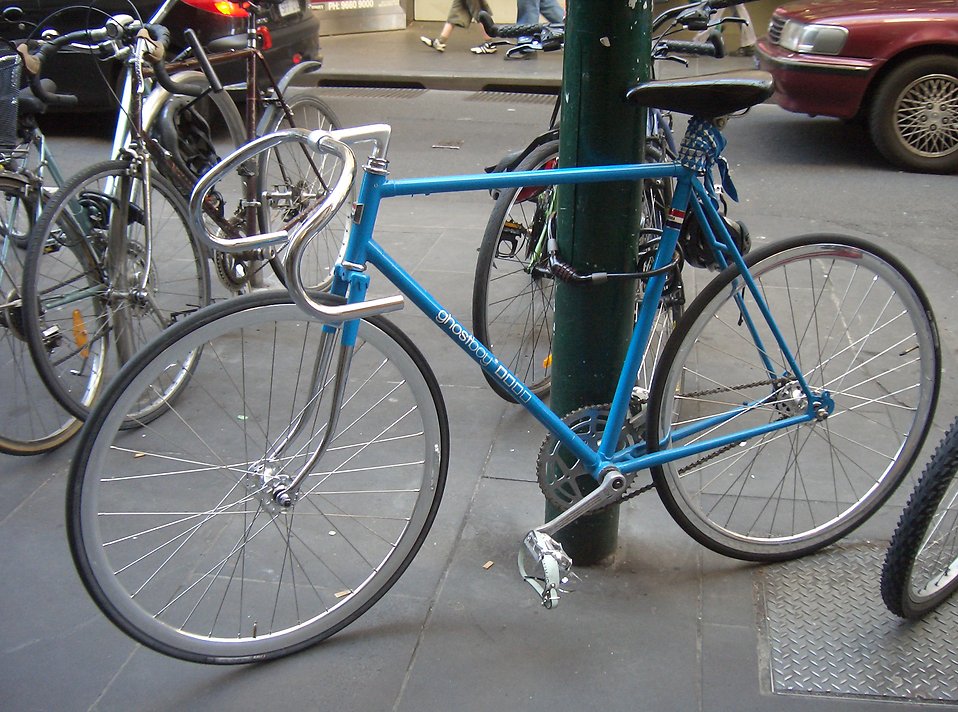
When chaining up your bike, make sure to include and secure things like your saddle, handles, gear set, and other accessories. When you’re wrapping the chain around, loop it through the wheels and the frame instead of just around.

amsterdam_bicycle_lock

This isn’t just to stop mobility, it’s also so that someone won’t be able to slide off the chain by simply removing the seat, wheels, or handles. It also makes the chain tighter, harder to shake loose and slide a file or saw between it.

Chain it to something immovable.

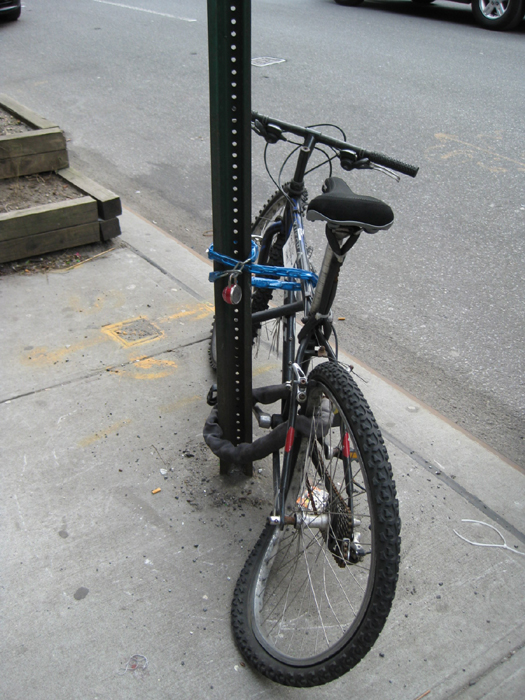
Make sure to chain both your wheels to the frame, and then chain them to an anchor of some sort, preferably with separate sets of chain locks. This extra precaution just makes it harder for thieves since they’ll have to break several more chains.

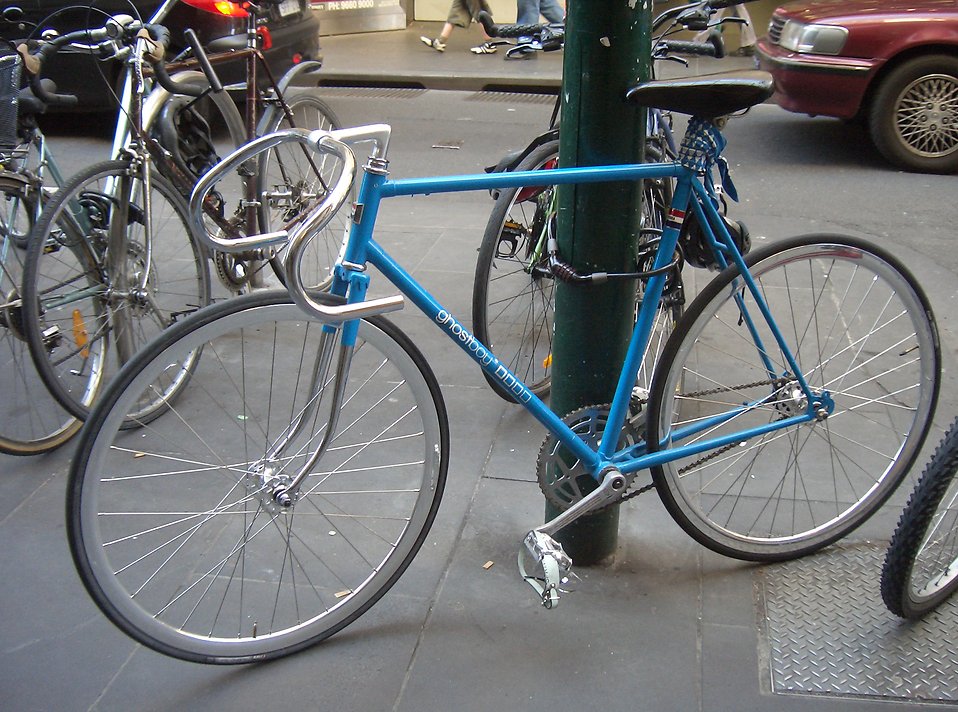
bicycle-chained-to-pole

Whatever you chain your bike, chain it to something heavy, durable, and immovable. Some designated bicycle parking lots have a row of thick steel bars specifically for this purpose.

If no bars are available, find something that is firmly cemented to the ground or building, and cannot be smashed or broken to slide the lock off. A heavy gate, pillar or pole may work well for this, but never chain your bike to a tree. Yes, it is firmly planted into the ground, but trees—especially thinner ones that you can wrap a chain around—are breakable. To an experienced thief, it isn’t as difficult as you would expect.

Check your app privacy settings.

Avid bikers, especially those who use it for sport or exercise may find it beneficial to track their progress by logging their rides on an app that uses GPS. There’s nothing wrong with this, but make sure your settings on these apps are set private.

Many of these apps display users locations on the map and it’s free and easy for other users to view this information. This may be used by thieves to observe where you usually start or end your rides, meaning where you normally park your bike.

Luckily, most apps also have the option to keep your information and location private, but not as a default. Make sure to change your settings before you go out for a ride.

Be wary of vandalism.

Small acts of vandalism aren’t always random. Some thieves will slightly damage your bike wheels in the hopes that you won’t ride it home, making it easier for them to take later in the night.

bike-vandalism-tires

They will make sure the damage is enough to make it unrideable but not unsellable. Keep an eye out for slashed tires or bent bars. If this happens to you, don’t leave your bike. Walk it home or take it with you.

Know your own bike.

Similar to how you would take note of your car’s license plate and registration numbers, make sure you also keep records of your bike’s serial number and those of any high-end accessories it may have.

If available in your area, you may register it to a local or national database. This is so if your bike is stolen, it may be tracked down if it is ever put on public sale. This may not deter from street selling, but it will raise flags if someone else tries to register your bike. It is more of an after-the-fact fix, but in this unfortunate incident, retrieval is your best case scenario.

If it does happen to you, report it to the authorities immediately. Even if you spot your bike thief, it is not advisable to approach or confront them. Keep eyes on them and take note of their description, and then tell the nearest law enforcement officer as soon as possible.

Invest in a GPS tracker.

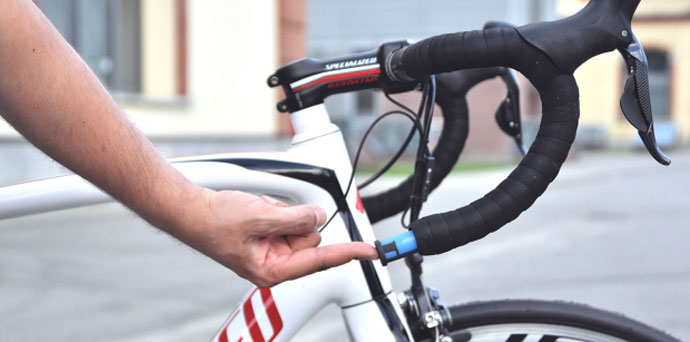
If you really want to be careful, you can purchase a GPS tracking device that attaches to your bike and pings back to an app on your phone. This is another after-the-fact fix in case your bike is stolen, but of course, you can also use the tracker to check up on our bike while it’s out of sight.

hidden-gps-tracker-for-bicycles

Conclusion

Ultimately, it’s about properly using the security tools at your disposal. Whether you can afford high-end locks and trackers, or simply want to work with the basics, making the most effective use of any of these safety tools can spell the difference between keeping and losing your bike.

How to Test for Asbestos

What is Asbestos?

Asbestos is a mineral substance found in rock and soil and is resistant to heat and electricity. It can be pulled it into a fibrous, fluffy consistency so for many years, it was used widely in flooring, ceilings, insulation and concrete in homes and industrial buildings.

The extremely abrasive and microscopic fibrils in asbestos are invisible to the naked eye, so you could be exposed to it without ever knowing.

Why Asbestos Tests are Important

Asbestos can be deadly when inhaled, and should you find it in your home, take steps to lower the chance of it contaminating the whole house. Asbestos has been proven to cause severe lung damage and is a known carcinogen.

For this reason, it is vital that you understand how to test for asbestos before doing construction on any property. Before any demolition project can take place, you or a professional must take steps to confirm that there is no asbestos on-site.

Since asbestos cannot be detected with the naked eye and can be in a wide variety of material on the property, it is important to test for the substance before you do any work that might disturb and release it.

Who can Test for Asbestos?

Asbestos is dangerous enough to require serious protection even just for taking samples of it. Some states in the US do not also allow you to gather the material to send for testing yourself and require that EPA certified contractors conduct all tests.

Check your state’s laws on asbestos testing and removal before attempting it as your next DIY project. If it’s legal where you live, you can purchase an asbestos testing kit for around $50.

Step-by-Step Guide to Testing for Asbestos

For your safety and long-term health, take extreme caution when testing for asbestos. If you are at all unsure of your ability to carry it out testing safely, you should have an EPA-certified contractor handle it.

1. The first step in asbestos testing involves ensuring that the air in the space where you are testing is still. Making sure to close all windows and shut off all fans, heaters and air conditioning systems.

Do not attempt to clean any area or item that you wish to test as there could be asbestos particles in the dust on the surface of the area.

2. Once you have ensured that the air in the space is “dead” and all the dust has settled, you can equip all of the necessary protective gear. Make sure that you cover your body from head to toe.

Safety gear should include:

  • Face mask/respirator
  • Gloves
  • Coveralls or full body clothing that covers all skin surfaces
  • Shoe protectors
  • Eye protection (mask/goggles)

All protective equipment that you wear during testing will need to be thrown away afterward.

3. Once your safety equipment is on, you can enter the testing area and begin to prep by laying down plastic sheeting on the ground that will catch any potential asbestos particles that fall.

4. Next, spray the whole testing area down with water using some misting or squirt bottle. When all of the surfaces are wet, and the air is humid, you can ensure that any dust created will quickly diminish.

5. Working as carefully as possible, use a utility knife or a chisel to carefully break away a piece of the object or material that you wish to test. Using extreme caution will help to minimize dust residue breaking off.

6. Using your same misting bottle from before, spray down the piece that you broke off to settle any dust. Make sure that the sample size that you obtain is between 5 and 100 grams in weight.

7. Using a pair of pliers, drop the sample into a Ziploc bag and immediately seal it up. On the outside of the bag, be sure to note information about the sample including; where it was taken from, when and what it is. Slip that bag inside another zipper bag and seal that one up as well to ensure it is secured.

8. Now you can start to clean up the area. Very carefully, gather up the plastic sheeting and drop it into a plastic garbage bag and seal the top of the bag with tape to securely trap any fibers on the inside.

9. Next, vacuum the area thoroughly with a vacuum that uses a bag. (A bagless vacuum will potentially leave a residue on the inside of your vacuum and contaminate it.) Be sure to throw the used vacuum bag in a plastic garbage bag when you are done and seal it up.

You can also take another wet rag and wipe down the area where you took the sample from and dispose of that rag as well. Apply a coat of heavy duty paint directly to the area where you collected the sample. The paint will help seal in any leftover particles and prevent them from flaking off.

10. Finally, remove all of your protective gear and immediately throw into a trash bag and seal it off with tape. Take a shower to rinse off anything that may have been in contact your skin.

Submitting Your Asbestos Sample

At this point, you are ready to submit your asbestos sample to an EPA-approved laboratory for testing. To find a testing center near you, you can check the EPA’s website which will also have detailed instructions for how to safely and adequately submit your sample.

An asbestos submission by a homeowner can take a month or more to process, so it is essential that you build this time into your project deadlines as you should not start any work that could disturb the interior of the building before you have the results of your test.

If you have a tighter deadline, samples collected by professionals are usually tested within 48 hours of collection, so professional services can save you a lot of time.

If your results test positive for asbestos, contact an EPA-certified contractor to begin the asbestos removal process since removing and disposing of asbestos requires a special license in most states.

Honeywell IPCAM-WOC1 Outdoor Security Camera Review

Honeywell has just informed us that their latest wireless outdoor security camera, the IPCAM-WOC1, will become available to customers in early February. Announced in the latter half of 2017, it will be the first of their Total Connect-compatible security cameras that’s designed for outdoor use.

The new camera features:

  • Compatibility with Honeywell Total Connect 2.0 and Lyricâ„¢ security and home control systems
  • Simple set-up with QR code installation and multiple mounting options
  • Expansive Cloud Video Storage or Local Storage
  • Enhanced Wi-Fi® connectivity and range with 802.11n
  • Wide angle views and sharper night vision with up to 1080p resolution

To figure out what distinguishes this device from the two previously-released indoor cameras (WIC1 and WIC2), let’s take a closer look at the specs.

Download our FREE Ultimate Guide to Home Security to get all the information you need about how alarm systems work, what system is right for your needs, and how to secure your home.

Switch Your Existing System

Image Sensor: Sony IMX323

Sony released the IMX323 in 2016 and designed this sensor to be both compact and cost-effective, delivering 1080p video at a lower cost than its competitors. One of the strengths of the IMX323 is its effectiveness under low-light conditions, which shows in the WOC1’s ability to see up to 65 feet away in the dark. You can see the difference in these photos below.

sony imx323 image sensor

(Source)

Field of View: Diagonal View Angle 117°; Horizontal 113°

You might have noticed that diagonal view angle is lower than the WIC1 and WIC2, which have a 135° and 138° view angle, respectively.

In contrast, the WOC1 has a slightly larger horizontal field of view. So while the WOC1 might have a smaller field of vision overall, its horizontal field of view makes it better for what it’s designed to do: watch over driveways or pathways.

Digital Zoom: Up to 10X Digital Zoom

Zoom and enhance all of the details that the WOC1 is capable of picking up with its approximately 2.19M pixels! 10X zoom is significantly greater than any of its predecessors, making the WOC1 better at picking up things like facial features and license plates.

Motion Detection Zones: 4 active motion detection areas

Isaac Blog Post V2.png

The WOC1 uses the same number of motion detection areas as the WIC2, but this time Honeywell is allowing users to change the sensitivity as needed.

For example, if you want to pick up people and animals on your front porch but not vehicles moving around in the street, you may want to lower the sensitivity and change the settings so that the motion detector only focuses on the zones closest to you.

Operating Temperature and Weatherproofing

The ultimate question: can this camera survive a New England winter? We reckon that with an operating temperature range of 14°F to 131°F, the WOC1 will be fine as long as you don’t try to install it somewhere in Vladivostok.

Something like the record-breaking low temperatures and heavy snow during the polar vortex of 2015 would probably not be good for the camera’s longevity, but we expect the camera to function even if the weather drops below or above Honeywell’s stated minimum and maximum operating temperatures.

As for weatherproofing, the camera is protected by an IP66-rated housing (meaning it can withstand torrential downpours and is totally protected from dust), but the wires that provide power to it are NOT weatherproof (thin wires rarely do well in events like snowstorms), so keep that in mind when setting it up.

Microphone and Audio

Unlike Honeywell’s indoor cameras, the WOC1 doesn’t have a microphone or any audio capabilities. Although some outdoor camera brands do add a microphone, installing such devices puts you at risk of recording people’s conversations without their consent, which is illegal.

Also, a microphone on an outdoor camera would primarily pick up the sounds of cars driving by, doors opening, and footsteps.

If for whatever reason you need your outdoor camera to pick up sound, you should look for an alternative solution.

We believe in providing our customers with the most up-to-date info on cutting-edge security technology so that they can make more informed decisions. Want to add a WOC1 camera to your Alarm New England-monitored system?

Customize your security system using our free tool in the link below and we’ll get you a quote within one business day.

customize your system »

How to Prevent Pipes from Freezing

When the weather turns frigid, you are at a high risk of pipes freezing and potentially bursting. Burst pipes are one of the most common causes of home damage in the winter months and the cost to repair both the pipes and potential water damage this can create is significant.

The good news is that you can prevent pipes from freezing by being diligent, taking protective measures and knowing the facts.

Which pipes are most vulnerable to freezing?

Some pipes in your home are more susceptible to freezing than other simply because of their location in your home. The pipes that are at the highest risk for freezing are:

  • Pipes that are exposed and located in unheated areas of the home (basement, garage, etc.
  • Pipes found in exterior walls
  • Any pipes located on the exterior of your home

Frozen Pipe Prevention

As soon as winter approaches and temps start to drop, you should be thinking about taking measures to keep your pipes out of the danger zone for freezing. Experts suggest that the threshold to keep in mind for freezing pipes is when the temperature reaches 20 degrees Fahrenheit or below.

Here are our top prevention tips to help you beat the cold and keep the water running:

  • Open the doors to your kitchen and bathroom cabinets to allow the pipes to be exposed to the warm air circulating in the room. When the cabinets remain closed, they have less of a chance of benefiting from the warm air in the rest of the room.
  • Open any faucets with exposed pipes to a slow drip of cold water. Keeping water running through the pipes will help prevent them from freezing.
  • Install a low-temperature sensor. When the temperature drops below a certain threshold, the low temperature sensor will notify you via your keypad, phone, email, or whatever method you have set up. Some sensors also produce an audible alarm. Install it anywhere in your home within minutes and always be in the know if your home becomes dangerously cold.
  • Keep your house warm. Many people turn down their thermostats when they are sleeping or away, but it is not wise to do so in extremely cold weather. In fact, if you plan to leave your home during cold weather months, be sure your thermostat is set no lower than 55 degrees.
  • The ultimate step in frozen pipe prevention is to add in insulation to the areas where pipes are prone to freezing. Ideally, this should be done before the cold weather season so you have time to ensure all the exposed pipes are covered.

What to Do in the Case of a Frozen Pipe

If, despite your best efforts, you end up with a frozen pipe, there are several steps that you can take to thaw it.

Frozen pipes need to be handled with caution, they are at a high risk for bursting and flooding your home with water. If you discover that a pipe has already broken or burst, immediately turn off the main water supply to prevent further flooding and damages.

If you have a frozen pipe, but no burst, you can do the following to alleviate the situation:

  • Run water through the frozen pipe. There is usually an ice plug somewhere inside the pipe and as it starts to melt, running water through the pipe assist in the melting and break up of the ice plug.
  • Apply heat to the affected pipe. There are many things you can use to apply heat to the pipe such as; a blow dryer, space heater, heating pad or there are even specialized heating tools designed for frozen pipes that you can purchase. DO NOT use any kind of heating tool that has an open flame as this is a serious fire hazard and could also melt your pipes.

Continue to run the water and apply heat to the pipe until you see that full water pressure has been restored in all of your faucets.

If you are unable to locate the source of the frozen pipe, are uncomfortable attempting to thaw it on your own or cannot access the pipe safely, be sure to call a certified plumber right away to provide professional assistance.

Unfortunately, frozen pipes in the winter are a common occurrence. Luckily, it is preventable if you take the necessary steps to prepare your home for the cold winter season.

First and foremost, if you know that your pipes are prone to freezing due to their location in your home or their lack of insulation, the best solution is to be prepared. Whether you take on the job yourself, or call a professional, the key is to do it before cold weather strikes to prevent a burst pipe.

5 Tips to Prevent Frost on Windows

If you live in a cold climate, you have likely seen frost accumulate on the windows in your home. While the frost may look pretty and add to the winter ambiance, it is not good for your windows.

Older homes often feature single pane windows that don’t protect against the cold as well as modern windows. Seeing frost on your windows used to be fairly commonplace, but thanks to new window technology, our windows and homes are now better protected from the cold.

Here’s how you can protect your windows from getting damaged by frost.

Why Frost Forms on Windows

Frost forming on your home’s windows requires two atmospheric conditions; cold air on the outside and moist air on the inside. When these two conditions are present, the moist air on the inside of the home is drawn to the cold windows.

When the temperature outdoors gets below the dew point, the water vapor on the windows will begin to solidify into a liquid which then will freeze making ice crystals.

Single pane windows, most commonly used in older homes, are most susceptible to developing frost. More modern windows are armed with double or triple panes which help to prevent moisture from seeping in.

Why Frost on Windows is Bad

While it may provide a picturesque winter scene, frost is not good for your windows or your home. Frost can cause damage as it melts because it transfers moisture to whatever is next to it. In the case of your windows, it is usually a wooden surface.

If left untreated, you will begin to see paint and varnish peeling and damage to your wood. Eventually, mold will start to grow, and with it, a whole new host of problems and dangers for your home.

How to Avoid Frost on Windows

There are several things you can do around your home to avoid frost – and it’s effective even on older single-pane \windows

  • Make sure there are no plumbing leaks in your home. Even something as small as a slow leaking faucet can create excess moisture in your home.
  • Run a dehumidifier. This helps reduce the amount of moisture inside your home.
  • Make sure your home is heated properly. Keep the temperature in your home sufficiently warm at night time to reduce the possibility of frost forming.
  • Don’t hang clothing up to dry indoors. If possible, put clothing in the dryer instead of hang-drying during the winter since this will add moisture to the room.
  • Soak up any visible moisture on windows. If you see condensation on your windows dry it up with a towel before it can turn into frost.

If all else fails and you continue to have problems with frosty windows, your best bet is to invest in double-paned windows that will help to prevent frost and subsequent damage to your home.

X

GET FREE QUOTE

What are you protecting?*

Step 1 of 4

Is your property currently monitored?*

Step 2 of 4

What size is your property?

Step 3 of 4

Who is this personalized quote for?*

By clicking this button, you consent for Alarm New England to use automated technology to contact you at the number provided. This consent is not required to make a purchase from us.

Step 4 of 4