
Where Should Security Cameras Be Placed in a Church?

Churches are meant to be places of peace and security. But unfortunately, like any public gathering space, churches can be vulnerable to various threats. Installing a security camera system is a necessary step to keep the building secure, and to maintain the safety of churchgoers and staff. In this article, we’ll explore where security cameras should be placed in a church and the factors to consider for optimal coverage.
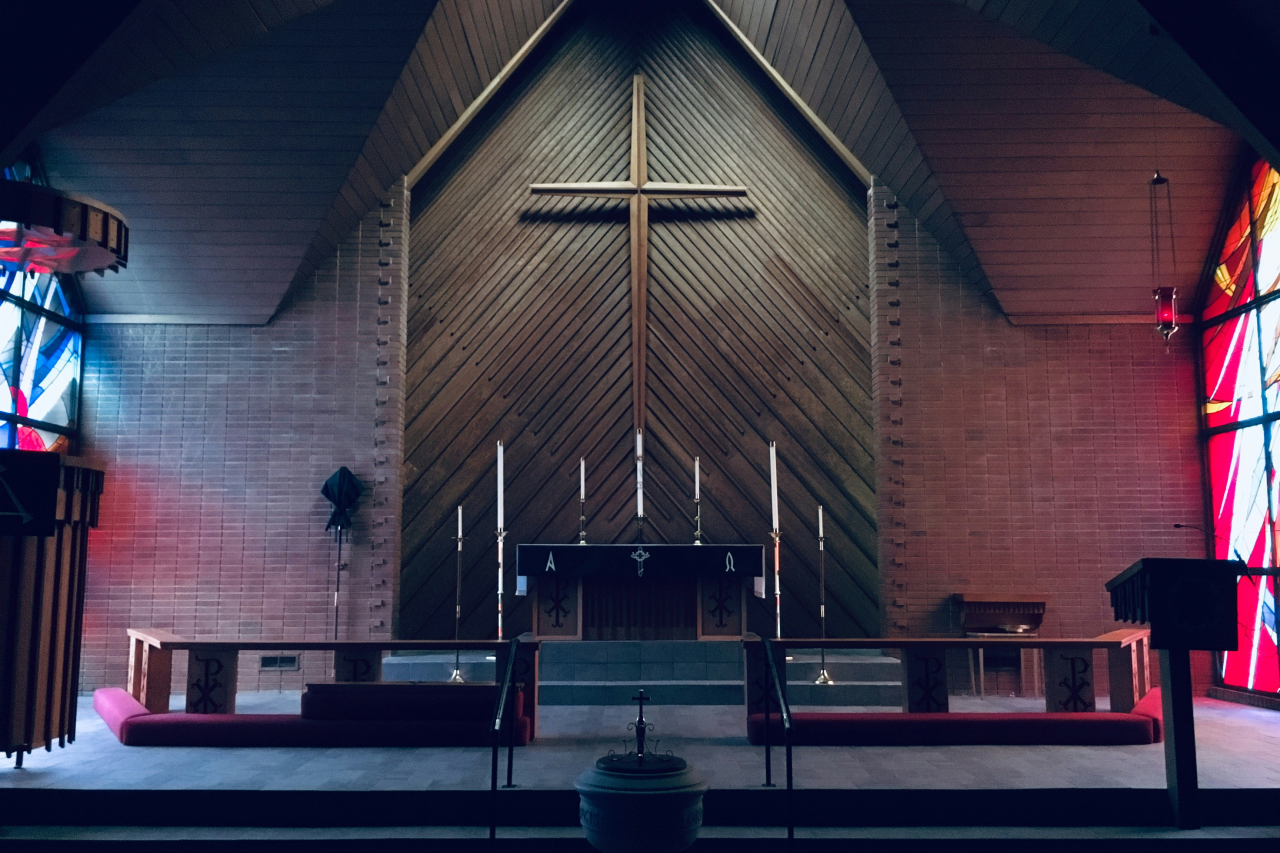
church inside altar

Do Churches Have Cameras?

Just like any other building, churches often use cameras as part of a security system. Church cameras are useful for surveillance, monitoring any suspicious activity, and camera footage can be reviewed in case of an incident.

Main Areas to Place Security Cameras in a Church

Security cameras should be placed at the entrances and exits of a church, in the parking lot or any church-owned outdoor property, in all spaces of worship, and in any meeting areas or offices.

Let’s break down the reasoning for each placement in the list below.

  • Entrances and Exits: It is critical to monitor the main entrances and exits of a church building. Cameras placed at these locations can capture footage of people entering and leaving, and help identify any suspicious activities or individuals.
  • Parking Lots and Exterior Areas: Parking lots and the surrounding exterior areas of the church should also be covered by security cameras. These areas can be prime targets for vandalism or vehicle break-ins. Strategically-placed cameras can help deter trouble and provide valuable evidence if incidents do occur.
  • Sanctuaries and Worship Spaces: Sanctuaries, altar areas, and public worship spaces are the heart of a church. These areas are where people congregate, so it is essential to have proper camera coverage. Cameras can help monitor the flow of people and detect any disruptive or concerning behavior during services or events.
  • Classrooms and Meeting Rooms: Many churches have dedicated spaces for Sunday school classes, youth activities, and community meetings. Placing cameras in these areas can help ensure the safety of children and participants, as well as protect against any theft or property damage.
  • Administrative Offices: Churches often store valuables like monetary offerings and sensitive documents in admin offices. This makes them a potential target for burglary and vandalism. Installing cameras in or around these areas can help protect these assets from harm.
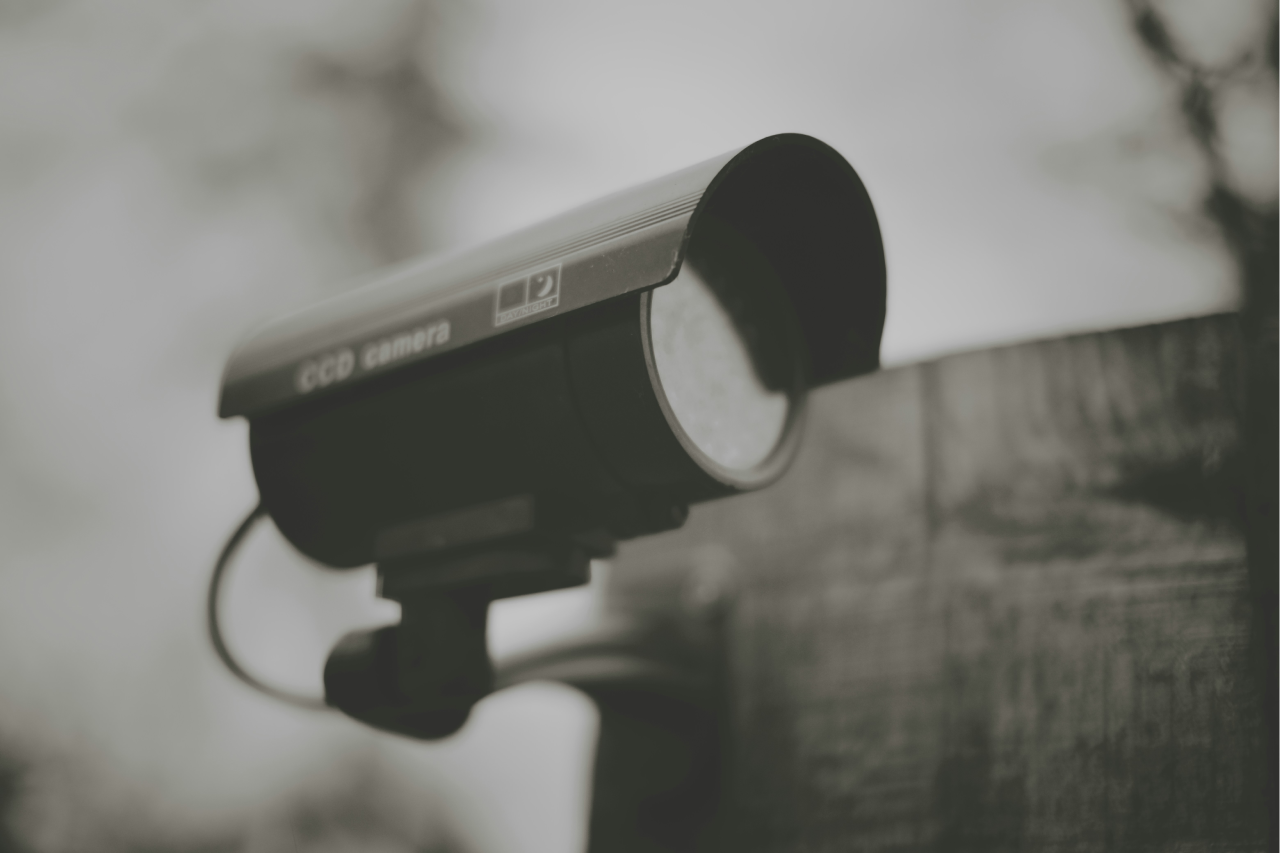
security camera in churches

Factors to Consider for Optimal Church Camera Placement

It doesn’t just matter where you place security cameras in a church. The unique conditions of your building can play an important role in how surveillance systems should be set up. Things like lighting and camera visibility can make or break the effectiveness of a church camera system. Let’s get into detail about some of the most important factors.

Lighting Conditions: Lighting can significantly impact the quality of camera footage. Cameras should be placed in areas with sufficient lighting, or low-light capabilities should be considered for dark spaces.

Concealment or Visibility: Depending on the specific needs of the church, cameras can either be concealed or prominently displayed. Visible cameras can act as a deterrent to crime, while concealed cameras can provide more discreet monitoring.

Potential Obstructions or Blind Spots: Remember to be mindful of any potential obstructions, such as pillars, or other large objects that could block a camera’s view. If your church camera is being obstructed, adjust the camera placement or consider additional cameras to eliminate blind spots.

Best Practices for Church Camera Systems

It takes practice and experience to master your church camera system. But when you do, it becomes a valuable asset to the safety and security of your religious institution. Below are some best practices for church security teams to get the most out of their video surveillance systems.

Integrate Cameras With Other Security Measures: Security cameras should be one part of a comprehensive church security strategy. A full security suite might include things like burglar alarms, access control, and even trained security personnel.

Use Proper Signage and Notifications: While surveillance is valuable, it is important to always comply with relevant privacy laws and regulations. This can be done by providing clear signage and notifications about the presence of security cameras on church property.

Perform Regular Maintenance and Updates: Like any technology system, security cameras require regular maintenance and software updates to ensure optimal performance and address potential vulnerabilities.

Church Camera Placement Is Best Suited For Professionals

As you can tell, there is a lot that goes into church camera placement. Getting the optimal coverage for your place of worship is not an easy task. For the best results, a church security system should be installed by security professionals. Churches face unique challenges in terms of security, some of which we’ve outlined today. An experienced security consultant will be able to walk your property and design a security system specialized to the needs of your church.

At Alarm New England, our multi-talented team of security experts can assist churches in installing complex, professionally-designed camera systems. We take pride in our comprehensive security solutions while adhering to the highest ethical standards and legal requirements. Contact Alarm New England today to learn more about how we can help install security cameras at your place of worship.


What Security Equipment Do I Need for a Church? – Church Security Systems & Essential Tools

As places of worship, churches are meant to be safe places where people can gather in peace. However, in today’s world, it’s crucial to prioritize the safety and security of parishioners, staff, and church property. At Religious organizations have unique security needs, and we’re here to help you choose the right security equipment to protect your church.

Essential Security Equipment for Churches

What security equipment do I need for a church?

Churches generally require a working burglar alarm system, fire alarms, a video surveillance system, and often, remote access control. Each of these pieces contributes to the overall safety and security of the church, and you can learn a bit more detail about each in the sections below.

Church Alarm Systems & Fire Alarms

Burglar alarms and fire alarms are essential components of a comprehensive church security system. Burglar alarms can detect unauthorized entry and immediately alert the appropriate authorities, while fire alarms can provide early warning in case of smoke or fire, allowing for swift evacuation and emergency response.

Church Video Cameras and Surveillance Systems

Installing security cameras and video surveillance equipment is vital to protect against criminal activity. These church camera systems can be strategically placed both indoors and outdoors to cover entry points, common areas, and other critical locations within the church.

Remote Access Capabilities

It’s key to keep church property locked and secure, only allowing access to those who need it. Access control systems, such as electronic locks, and key card or password access can help regulate entry and make sure that authorized individuals have access to the building.

security for church

Factors to Consider When Choosing Church Security Equipment

When selecting security equipment for your church, it’s essential to consider factors like:

  • Size of the church and church-owned facilities
  • The number of entry/exit points
  • Estimated foot traffic and attendance during services and events
  • What existing security measures you already have in place
  • Budget constraints and long-term maintenance costs

What about Working with a Professional Security Provider?

While it’s possible to purchase security equipment off-the-shelf, working with a professional security provider like Alarm New England will ensure that you install a customized solution that suits your church’s specific security requirements. A team of security experts can conduct comprehensive risk assessments, design tailored security systems, and provide installation, maintenance, and ongoing monitoring services.

At Alarm New England, we understand that there is no one universal church security system. Each building is different, and our goal is to create a solution that provides comprehensive protection without any unnecessary features. We also understand that a security system needs to remain unintrusive, in order to respect the sanctity of your sacred space.

What Is The Best Security Equipment for Churches?

It sounds cliche, but the best security equipment is the one that works. Securing a church is a multi-faceted job that combines physical security equipment and professional expertise. You can research to find the best hardware suited to protect a church, but without the expert knowledge of a security professional, you might be leaving certain areas underserved. The best church security systems combine intrusion detection, fire alarm systems, access control, video cameras and more to create a fully comprehensive solution.

Over the past 50 years, Alarm New England has protected hundreds of religious institutions in MA, CT, and RI.

Don’t wait until it’s too late. Contact Alarm New England today to schedule a consultation and take the first step towards enhancing the security of your church. Protect your place of worship and create a safe haven for your community.

How to Improve Security in a Church – Church Security & Safety

Ensuring the safety and security of a church is a always a top concern for any religious organization. Places of worship should be sanctuaries where people can gather in peace and without fear. Unfortunately, crimes such as theft, vandalism, and even violence have become increasingly common threats that churches must address. Today, we will be sharing a step-by-step process to improve security in a church.

Create a Church Safety Ministry

The first step in improving church security is to establish a dedicated safety ministry. This team should be responsible for conducting risk assessments, identifying potential threats, and developing the building’s security plans and protocols. The safety ministry can be composed of church leaders, staff members, and volunteers who are committed to ensuring the well-being of the parish and its assets.

Roles and responsibilities of a safety ministry team may include:

What Should a Church Security Team Do?

  • Conducting regular security audits and risk assessments
  • Developing emergency response plans for various scenarios (e.g., fire, medical emergencies, active shooter situations)
  • Coordinating with local law enforcement and emergency services
  • Implementing security measures and systems
  • Providing safety training and awareness programs for congregants and staff
churches security

Implementing Security Measures

Once the safety ministry has identified the church’s security needs, it’s time to implement appropriate measures and install security equipment to address those needs. Common church security steps might include:

Getting an Access Control System

Controlling who has access to the church premises is crucial for maintaining a secure environment. Access control systems, such as electronic locks, key card systems, and visitor management protocols, can help regulate entry and ensure that only authorized individuals gain access to specific areas or the entire building.

Setting Up Security Cameras and Surveillance Systems

Installing high-quality security cameras and surveillance systems can provide valuable monitoring and can even help stop crime before it happens. Camera systems can be integrated with alarm systems and remote access capabilities, allowing the safety ministry or designated personnel to monitor the church premises in real-time or review recorded footage as needed.

Installing Emergency Communication Systems

Efficient communication is essential during emergency situations. Implementing a mass notification system or emergency alert system can help quickly disseminate crucial information to congregants and staff, ensuring a coordinated emergency response and minimizing potential risks.

church pews

Enhancing Church Safety

While implementing physical security measures and building a security team are crucial steps, enhancing overall safety within the church community also requires fostering awareness, providing training, and encouraging preparedness among community members and staff.

Safety Training and Resources

Offering regular safety training sessions can help educate parishioners and staff about security protocols, emergency response procedures, and situational awareness. Providing resources such as safety guides and evacuation plans can empower a church community to take an active role in maintaining a safe environment.

Community Involvement and Collaboration

Building strong relationships with local law enforcement, emergency services, and neighborhood watch groups can make a big difference. Regular communication and collaboration with these groups can help identify potential threats and coordinate strong emergency response plans.

Promoting Awareness and Preparedness

Encouraging congregants and staff to remain vigilant and report any suspicious activities or concerns is essential for maintaining a secure environment. Technology can only go so far, and at the end of the day, the people of a parish help make it a safe space. Regular safety reminders can help reinforce preparedness and ensure that everyone knows how to respond in an emergency.

Develop a Safer Church Today

For church staff, fostering an overall culture of safety and preparedness within your parish is a top priority. By taking the proactive steps listed above, churches can create a secure and welcoming environment where all people can worship without fear or concern for their safety.

At Alarm New England, we offer a range of security services tailored specifically for places of worship, including church alarm systems, video camera systems, and remote access control. Our team of security experts can work with your church’s safety ministry to assess your unique needs and design a customized security solution that provides the necessary protection while respecting the sanctity of your sacred space.

Don’t compromise on the safety and security of your place of worship. Contact Alarm New England today!

Video Door Intercoms: Enhancing Home Security and Convenience

Video door intercoms have become an increasingly popular choice for homeowners looking to enhance their security and convenience. These innovative devices combine the functions of a traditional doorbell with live video and two-way audio communication, providing a host of benefits for homeowners. In this article, we will explore the features and advantages of video door intercoms.

Video Door Intercom Best Features

Video door intercoms, also known as video doorbells or video door entry systems, offer several key features that make them a valuable addition to any home:

Remote Viewing

One of the most significant advantages of video door intercoms is the ability to remotely view and interact with visitors at your doorstep. Through a mobile app or a dedicated monitor inside your home, you can see who is at your door, whether you’re at home, at work, or even on vacation.

Two-Way Communication

Video door intercoms allow you to have a conversation with visitors in real-time. Whether it’s a delivery person, a friend, or a service provider, you can communicate with them without opening the door, enhancing both safety and convenience.

Motion Detection

Many video door intercoms are equipped with motion detection sensors. These sensors can alert you to any activity near your doorstep, even if the visitor doesn’t press the doorbell. This feature is particularly useful for detecting potential intruders or package theft.

Night Vision

To ensure round-the-clock security, most video door intercoms are equipped with night vision capabilities. This means you can see and communicate with visitors even in low-light or nighttime conditions.

Cloud Storage

Some video door intercoms offer cloud storage for video recordings. This feature allows you to access and review past interactions and motion-triggered events, which can be valuable for security and documentation purposes.

Integration with Smart Home Systems

Video door intercoms can often be integrated into your existing smart home ecosystem. This means they can work seamlessly with other devices like smart locks, lights, and security cameras to create a comprehensive home security system.

Deterrent to Potential Intruders

The mere presence of a video door intercom can act as a deterrent to potential intruders. When they realize they’re being recorded and can be seen and heard, they are less likely to attempt any malicious activities.

Package Delivery Convenience

With online shopping unlikely to slow down, video door intercoms have become invaluable for receiving package deliveries. You can instruct delivery personnel on where to leave packages or remotely unlock the door for them to place packages inside, reducing the risk of package theft.

Visitor History

Video door intercoms often maintain a visitor history log. This log can be helpful for keeping track of who has visited your home and when, providing a record that can be useful for various purposes.

Peace of Mind

Ultimately, video door intercoms offer homeowners peace of mind. They provide an extra layer of security by allowing you to assess and control access to your home, whether you’re home or away.

In addition to these features, video door intercoms are available in various styles and price ranges, making them suitable for a wide range of homes and budgets. Some models are hardwired into your existing doorbell system, while others operate on rechargeable batteries for easy installation.

How to Make The Most of Your Video Door Intercom

To make the most of your video door intercom, here are a few tips:

Regular Maintenance: Keep the camera lens clean and ensure that the device is properly powered and connected to your network.

  • Set Up Alerts: Configure motion detection alerts on your device to receive notifications when there is activity near your door.
  • Secure Your Network: Ensure that your Wi-Fi network is secure to prevent unauthorized access to your video feed.
  • Use Smart Features: If your video door intercom integrates with other smart home devices, explore ways to automate and enhance your home security.
  • Check Local Regulations: Be aware of any local privacy or surveillance laws that may apply to the use of video door intercoms in your area.

Video door intercoms have evolved to become an essential component of modern home security and convenience. With their ability to provide remote viewing, two-way communication, motion detection, and integration with smart home systems, they offer homeowners a powerful tool to enhance safety and peace of mind. Whether you’re concerned about security, want to monitor package deliveries, or simply desire greater convenience, a video door intercom can be an excellent addition to your home.

CCTV Surveillance: Enhancing Security in the Modern World

In today’s increasingly interconnected world, security is paramount. Whether it’s safeguarding homes, businesses, public spaces, or critical infrastructure, the need for effective surveillance solutions has never been greater. Closed-circuit television (CCTV) surveillance has emerged as a powerful tool in this endeavor, providing a reliable means of monitoring and deterring security threats. In this article, we will delve into the world of CCTV surveillance, exploring its evolution, applications, benefits, and the role it plays in our modern society.

The Evolution of CCTV Surveillance

The origins of CCTV surveillance can be traced back to the early 1940s when the first closed-circuit television systems were developed for military and industrial purposes. These early systems were rudimentary compared to today’s sophisticated CCTV setups, consisting of bulky cameras and analog recording equipment.

Over the decades, significant advancements in technology have transformed CCTV surveillance into a highly efficient and versatile tool for security and surveillance. The transition from analog to digital technology marked a major milestone, enabling higher resolution, remote access, and enhanced storage capabilities. Today, modern CCTV systems leverage digital technology, artificial intelligence (AI), and cloud computing, providing an array of innovative features and capabilities.

Applications of CCTV Surveillance

  • Home Security: CCTV cameras are increasingly common in residential settings. Homeowners use them to monitor their property, deter potential intruders, and gain peace of mind. These systems can be integrated with smartphones, allowing homeowners to access live feeds and receive alerts remotely.
  • Business Security: Businesses of all sizes rely on CCTV surveillance to protect their assets, employees, and customers. Surveillance cameras help deter theft, monitor employee activities, and provide valuable evidence in case of incidents. Businesses often integrate access control and alarm systems with CCTV for comprehensive security.
  • Public Safety: CCTV cameras are widely deployed in public spaces, such as streets, parks, and transportation hubs, to enhance public safety. They aid law enforcement in monitoring and responding to incidents, as well as provide evidence for investigations.
  • Traffic Management: Traffic surveillance cameras are used to monitor road conditions, manage traffic flow, and enhance road safety. These cameras help in identifying traffic violations and monitoring congestion in real-time.
  • Industrial and Critical Infrastructure: Industries and critical infrastructure, such as power plants and water treatment facilities, employ CCTV surveillance to protect against physical and cyber threats. These systems provide early detection of potential hazards and security breaches.
  • Retail: Retail stores use CCTV cameras to prevent shoplifting, monitor customer behavior, and ensure employee safety. They also aid in analyzing customer traffic and improving store layouts.

Benefits of CCTV Surveillance

  • Deterrence: The mere presence of visible CCTV cameras acts as a deterrent to potential criminals. Knowing that they are being monitored reduces the likelihood of illegal activities.
  • Evidence Gathering: In the event of an incident, CCTV footage provides valuable evidence for investigations, insurance claims, and legal proceedings. High-definition cameras ensure clear and reliable recordings.
  • Remote Monitoring: Modern CCTV systems allow users to access live feeds and recorded footage remotely via smartphones and computers. This feature provides real-time awareness and flexibility.
  • Employee Productivity: In a business setting, CCTV surveillance can enhance employee productivity and discourage misconduct. It ensures that employees adhere to company policies and procedures.
  • Cost-Effective Security: CCTV surveillance is a cost-effective security solution compared to hiring and maintaining a large security staff. It provides continuous monitoring 24/7 without breaks or fatigue.
  • Improved Public Safety: In public spaces, CCTV surveillance contributes to public safety by deterring criminal behavior, enabling rapid response to emergencies, and assisting in disaster management.

The Role of Technology in Modern CCTV Surveillance

Modern CCTV cameras are equipped with high-definition capabilities, providing exceptional video quality that ensures clear and detailed footage, even in low-light conditions. This feature is crucial for accurate identification and the collection of valuable evidence.

Internet Protocol (IP) cameras have become the industry standard in contemporary CCTV surveillance. They offer scalability, remote access, and compatibility with existing network infrastructure, making them a versatile and efficient choice for surveillance systems.

Artificial intelligence and video analytics are reshaping the landscape of CCTV surveillance. AI-powered algorithms enable real-time detection and identification of objects, individuals, and events, enabling proactive responses to security threats.

Cloud-based CCTV systems have gained prominence, offering secure and scalable storage solutions. These systems grant easy access to footage from virtually anywhere with an internet connection, eliminating the need for on-site storage and simplifying data management.

The integration of CCTV systems with other security components, such as access control, alarms, and biometric authentication, creates a comprehensive security ecosystem. This integration enhances overall protection, providing a seamless and interconnected approach to security.

As CCTV technology continues to advance, concerns regarding privacy and data protection have garnered increased attention. To address these concerns, regulations and best practices are evolving to ensure responsible and ethical surveillance practices are followed.

Future Trends in CCTV Surveillance

CCTV surveillance continues to evolve, driven by technological advancements and changing security needs. Some notable future trends in CCTV surveillance include:

  • Artificial Intelligence: AI will play an increasingly significant role in CCTV surveillance, enabling smarter and more automated monitoring. Facial recognition, object detection, and anomaly detection will become standard features.
  • Edge Computing: Edge computing, where data processing occurs on the camera itself, will reduce latency and bandwidth usage. This allows for real-time analysis and faster response to security events.
  • 5G Connectivity: The rollout of 5G networks will enable faster and more reliable data transmission, facilitating high-resolution video streaming and remote monitoring.
  • IoT Integration: CCTV systems will integrate with the Internet of Things (IoT) devices, allowing for more comprehensive monitoring of smart homes and smart cities.
  • Enhanced Cybersecurity: With the increasing digitization of CCTV systems, cybersecurity will become a top priority to protect against cyberattacks and data breaches.
  • Green and Sustainable Solutions: Energy-efficient cameras and solar-powered CCTV systems will become more prevalent, aligning with sustainability goals.

CCTV surveillance has come a long way from its humble beginnings, transforming into a sophisticated and indispensable tool for security and surveillance in the modern world. Whether it’s safeguarding homes, businesses, public spaces, or critical infrastructure, CCTV systems provide the means to deter, detect, and respond to security threats effectively.

As technology continues to advance, the future of CCTV surveillance looks promising. Artificial intelligence, high-definition cameras, cloud storage, and IoT integration are just a few of the trends shaping the evolution of surveillance systems. While the benefits of CCTV surveillance are evident, it is essential to strike a balance between security and privacy, ensuring that these technologies are used responsibly and ethically. In doing so, we can create safer and more secure environments for individuals and communities alike.

X

GET FREE QUOTE

What are you protecting?*

Step 1 of 4

Is your property currently monitored?*

Step 2 of 4

What size is your property?

Step 3 of 4

Who is this personalized quote for?*

By clicking this button, you consent for Alarm New England to use automated technology to contact you at the number provided. This consent is not required to make a purchase from us.

Step 4 of 4