Easy Ways to Burglar Proof Your Windows: An Expert Guide

Most burglars enter through doors. About 65% of them break in through either the front door, back door, or garage.

The second favorite way for a burglar to enter is by climbing or breaking through your windows, especially those on the ground floor.

That’s why knowing how to protect your windows is essential to making your home safe.

Types of Windows and How to Secure Them

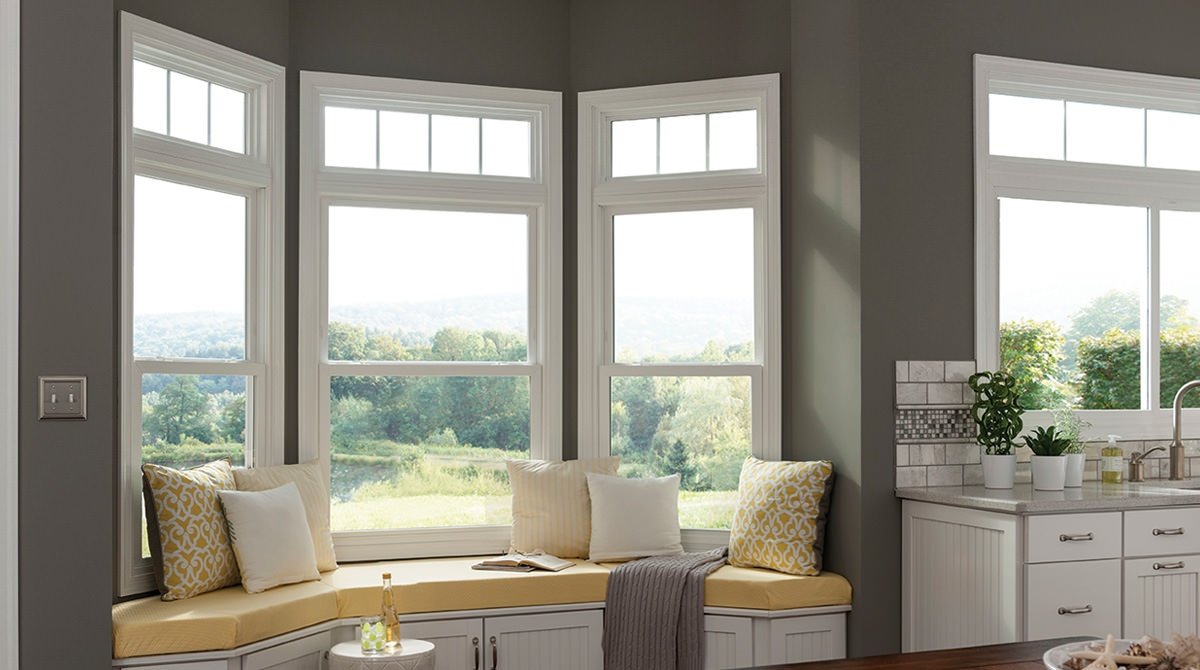
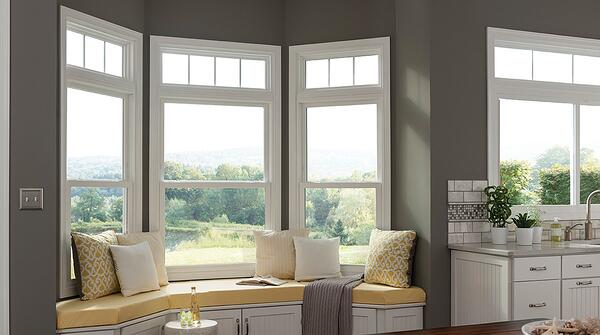
Double-Hung Windows and Sash Lock

Double-hung windows, often found on older homes, tend to be most vulnerable to break-ins.

A double-hung window has two panes of glass, one above the other, and are often secured with a crescent latch or sash lock.
Window Alarms

The latch is generally not designed to be extremely secure; it just keeps the window closed. The problem is that the crescent latch is easily jimmied open by inserting a knife or other flat tool.

Another problem can occur when the windows swell due to hot weather because the crescent latch might not close properly. In older homes, it’s common to see that the latches have been painted over so many times that they can no longer effectively secure the window.

But there is a solution.

Drilling and “pinning” is an inexpensive and effective way to secure double-hung windows. To pin your double-hung windows, you’ll need a drill and some nails, rods, bolts or other pinning material.

All ground floor windows should be pinned. The exception would be if there are small children in the home. In that case, one window should be designated for fire emergency exit, and not pinned.

Casement Windows

There are basically two types of casement windows:
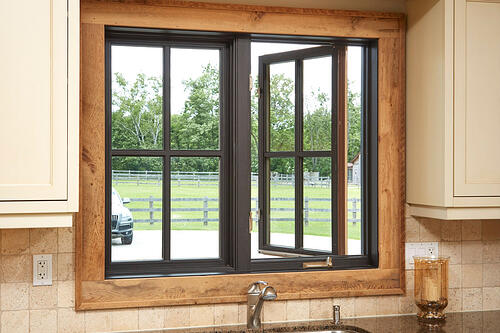
window security

Type A: hinged on the side, and cranks or swings outward
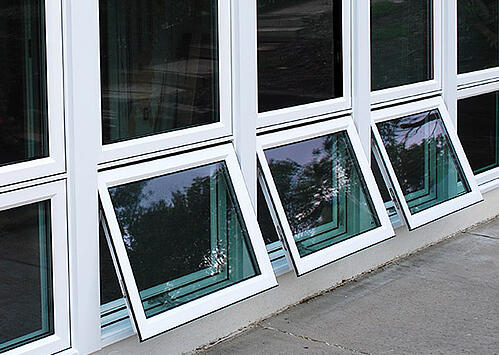
Casement windows

Type B: hinged at the top and swings outward

If you’ve got a Type A window, it may be possible for a burglar to break out the window in the area of the crank, reach in and crank open the window. Or if the window is partially open, he may be able to cut or remove the screen and again reach in and crank the window open far enough to get in.

You’ll want to inspect your window hardware. If your push bar or operator is worn out, it should be replaced. It should be sturdy enough that, if your window is cranked open a few inches, a burglar won’t be able to simply force the window open to gain entry –at least not without breaking the window or the window frame.

Statistically few burglars force open casement windows if it means breaking the glass.

Why? Because burglars hate making loud noises. Breaking windows will alert the whole neighborhood to their presence.

Securing casement windows is difficult, especially thin gauge aluminum casement windows commonly found on cheaply constructed homes and apartments. To secure these windows, you may have to replace them.

Jalousie (Louvered) Windows

This type of window is often found in bathrooms or kitchens on older homes. The vulnerability with this type of window is that the individual panes can be easily broken or, in some cases, simply removed by sliding them out of the frame. The panels can also be forced open easily.
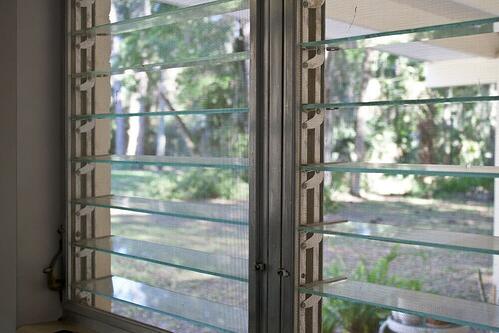
Jalousie Window

To prevent someone from removing the panes of glass, you can glue them in. That’s not going to stop someone from breaking them however. If ventilation is not critical, you can bolster security by putting up a storm window, or replacing it with a double-hung window.

Other Ways To Secure a Window

Bars, Grates, Wire Mesh

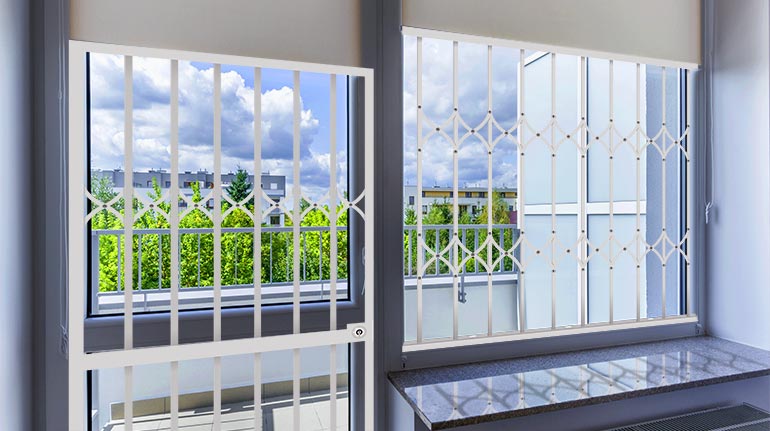
You can add security to any window by putting up security bars, grates or wire mesh.

Caution note: Before you put up bars, grates or wire mesh over your windows consult your fire code! Putting bars, grates, or wire mesh may cause a serious, life threatening situation in the event of a fire.

While we’re on the subject of bars and grates, there is the question of whether to put them on the inside or the outside.
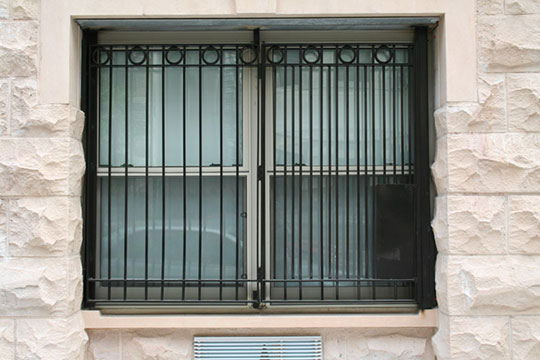
barred windows

Putting bars on the outside where they are more visible can act as a deterrent to the burglar and discourage them from attempting to break-in.

If you are going to protect your windows with bars or grates, many recommend putting them on the inside. While they might not be as visible to the burglar, and he might break a window before he figures out you’ve got bars, it will likely deter him. A broken window is a small price to pay to keep burglars out.

If you are installing bars, they should be installed in such a way that with one simple motion, like pushing a quick-release lever, the whole assembly falls out or swings out of the way, allowing you to easily escape during a fire.
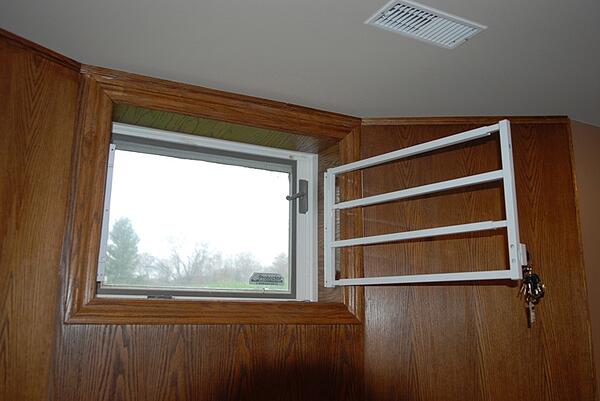
Hinged Home Security Bars

This quick-release mechanism should be far enough away from the window so a burglar wouldn’t be able to break the glass, and reach in to activate the release to gain entry.

Below are some guidelines to help you determine whether or not the bars you have or are planning to install are will provide you with a safe method of escape in case of an emergency.

Unsafe Bars:

– Can not be opened
– Require:

  • A key
  • Special knowledge
  • A separate tool
  • Extra physical effort

Safer Bars:

– Can be easily opened from the inside
– Have approved quick release mechanisms

When burglar bars are installed on exit doors or windows of sleeping rooms they must be equipped with an approved quick release device which allows them to be opened from the inside without the use of a key, separate tool or any special knowledge or effort.

Note: There may be laws requiring quick release devices to be approved in writing by your local building or fire officials.

There may also be laws requiring your home to be equipped with an approved smoke detector if burglar bars are installed.

Glass, Security Film and More

Another problem homeowners often face when protecting their windows is how to let light and ventilation into a room while keeping burglars out.

The most cost-effective method of making your windows tougher to defeat is by using window film such as BDF S8MC Window Film. Adding an additional layer on your windows helps make them more resistant to impacts, further delaying the burglar.

A more long-term but expensive solution is to install panes of glass specifically designed for security and safety purposes.

Tempered Glass

Ordinary glass can be shattered relatively easily on contact. Tempered glass is treated to resist breakage and so can be utilized for both safety and security purposes. It is not as tough, however, as some other types of glass discussed below.

Thermally tempered Glass

Thermally-tempered glass is made by placing a piece of regular glass in an oven, bringing it almost to the melting point and then chilling it rapidly. When shattered, the glass breaks into relatively harmless chunks resembling rock salt, free of sharp edges.
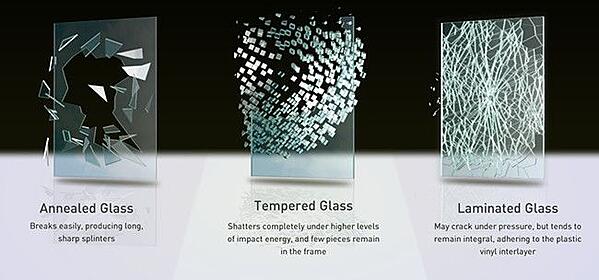
comparison between annealed, tempered and laminated glass

Fully tempered glass is three to five times stronger than glass that has not been tempered and is five times as resistant to heat. Once the glass has been tempered, it cannot be cut or processed further. Tempered glass can be any thickness, and almost any type or color glass may be tempered except wired glass or glass with a deep patterned surface.

Tempered glass is a logical choice for installation along passageways, in entrance doors and adjacent panels. Building codes in many jurisdictions now require this type of glass in areas or locations where individuals are likely to bump into it.

Laminated Glass

Laminated glass is well-suited for installation in street-level windows or displays, doorways, and other access areas where security is necessary. It is composed of two sheets of ordinary glass bonded to an intervening layer or layers of resilient plastic material, typically PVB (polyvinylbutyral).
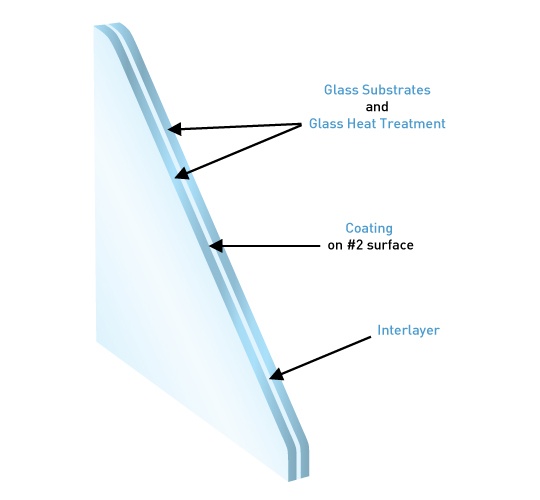
structure of laminated glass

When laminated glass is broken, it may crack and break, but the pieces of glass tend to adhere to the plastic material. If a hole is produced, the edges are likely to be jagged, as with ordinary glass.

Laminated glass helps protect against the “smash and grab” criminal. A criminal who encounters this type of glass cannot simply hammer his way through it within a few seconds and will be inclined to move to an easier target. However, given enough time, a burglar will be able to defeat laminated glass.

Bullet-Resistant Glass

For extreme situations where you need serious protection, you can install bullet-resistant glass. However, the cost is high as this is one of the most expensive window protective measures available.

bullet resistant glass

Bullet-resistant glass is laminated, consisting of multiple plies of glass and plastic stacked up to a variety of thicknesses, from 3/4 inch to 3 inches. The thicker the glass, the more protection. The various thicknesses can be certified under Underwriters Laboratories, Inc. specifications for indoor and outdoor installations.

Plastics

Plastic glazing material can be divided into two general categories – acrylic and polycarbonate. Both are available in a variety of patterns and in a wide range of transparent, translucent, and opaque tints, as well as in clear form. Acrylic is more transparent than polycarbonate, while polycarbonate possesses outstanding strength against impact.

Due to the way acrylic and polycarbonate expand and contract in changing temperatures, both must be installed by a professional. Both are prone to scratching, so exercise extreme care when cleaning these surfaces.

Acrylic

A sheet of acrylic material (Plexiglas) is less than 50% as heavy as glass, about 43% as heavy as aluminum. A one-square-foot, 1/8-inch-thick sheet weighs about 3/4 of a pound. It is available in varying thicknesses and it has much more impact resistance than double-strength window glass.

For example, in thicknesses from 1/8 inch to 1/4 inch sheets, it is 17 times more resistant to breakage than comparable window or plate glass and so it is an approved safety glazing material.

It is not only safer than glass due to its breakage resistance but, when it is broken, it does not shatter into small slivers with sharp edges, but breaks into comparatively large, dull-edged pieces.

Polycarbonate

Polycarbonate is almost unbreakable. It has 300 times the impact resistance of glass and 20 to 30 times the impact strength of acrylic. It is expensive — about four times the price of standard glass. But if your property is repeatedly being vandalized or broken into, it may well be worth the additional cost.

Source: wisegeek.com
Polycarbonate is an ideal choice for small windows like those found in doors. Storefronts that are frequent targets of “smash and grab” burglaries may also be good candidates for this type of protection.

Polycarbonate should be professionally installed. If you hit it with a sledge hammer it probably won’t break, but if it’s not installed properly, the whole window is likely to get knocked right out of the window frame.

Polycarbonate sheets, like acrylic sheets, weigh 50% to 60% less than glass. It has a slight blue or gray tint, and so it is less clear than other types of glazing and shows some distortion. This type of material is reported to be less weather resistant than glass or acrylic, but can be expected to remain serviceable and attractive for seven years or more in outside installations.

For burglary-resisting applications, a 1/8-inch thick polycarbonate sheet meets the Underwriters Laboratories Standard 972, “Burglary-Resisting Glazing Material.” A laminated polycarbonate sheet one inch thick (nominal) meets UL standard, U.L. 752, “Bullet-Resisting Equipment”, for medium power weapons.

Check your local fire code before installing polycarbonate in your bedroom windows to be sure you are not in violation.

Secure Your Windows with a Home Security System and Security Cameras

While there are many steps you can take to reinforce your windows and keep them well-protected from intruders, the methods above are primarily delay tactics to buy time for police to arrive. The best way to get help from the police when you’re in trouble is to self-install a home security alarm system in your residence or find a security system company to install and monitor it 24/7.

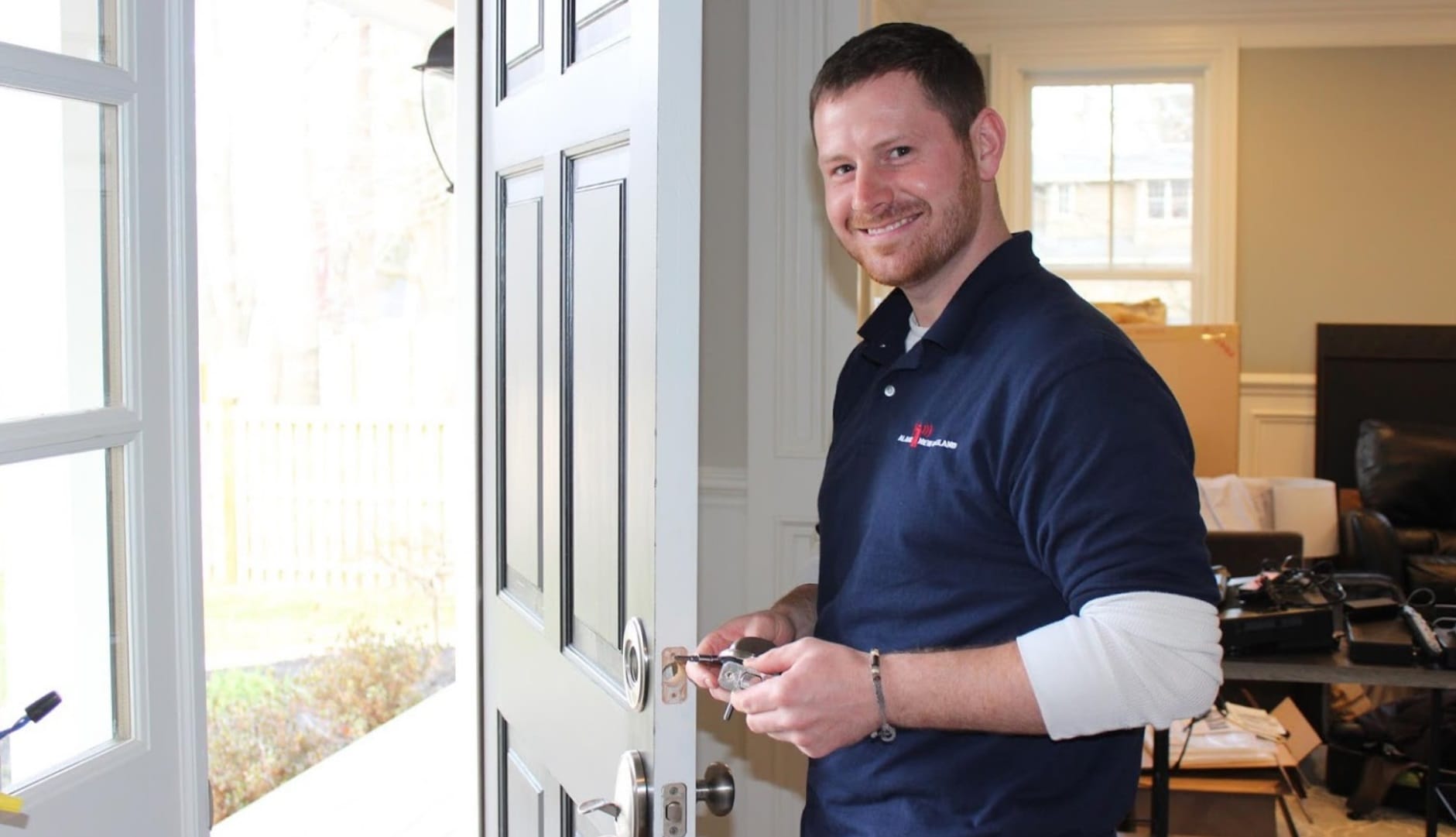
Self-installed home security is great when you’re on a budget but you or a family member has a few spare minutes during the day to get it set up. Alternatively, you can opt for a professional installation if you have a complex system with many components which will take longer to install. Contact a reputable alarm company for more information on what kind of security system is most suitable for your home and lifestyle.

To learn more about home security, check out our Ultimate Guide to Home Security.
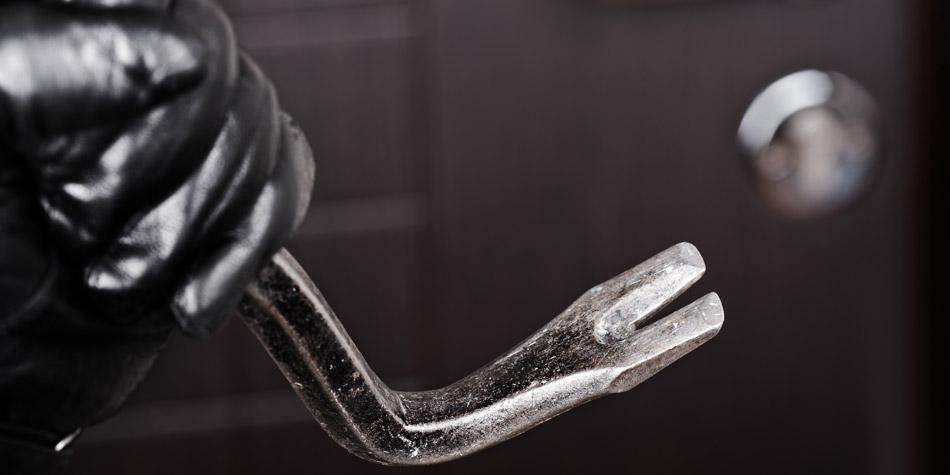
7 Things You Must Do If Your Home Gets Broken Into

A home break-in is a traumatic experience that can leave victims feeling lost or vulnerable. Most people in this situation find themselves unprepared and unsure of what they need to do.

Should you ever find yourself in this situation, it’s important to keep a cool head and respond to the incident as quickly as possible.

These are the 7 key steps you should take immediately following a break-in:

  1. Get to a predetermined safe zone with your family.
  2. Call the police and let them clear the crime scene.
  3. Make a list of all items that have been taken.
  4. Assist the police investigation.
  5. Contact the insurance company and file a claim.
  6. Repair any damage and clean up the place.
  7. Make a plan to prevent future burglaries.

Let’s go into these steps in more detail.


1) Get to safety.

If you know that an intruder is in your house, the very first thing you need to do is remain calm. Don’t make noises, and don’t let the intruder know that you’re aware of their presence.

This is important for many reasons: You don’t know how many people are now in your home, what their intentions are, and how they will react to you.

As long as the intruders don’t know that you’re in the home or awake, you have an advantage. You can use this advantage to gather up your family members, find a safe place in your home, lock the doors, and put a physical barrier between you and whomever just broke into your home. Even better, leave the house altogether and meet at the rendezvous point where your family has planned to meet in an emergency.

The worst thing you can do when you realize there’s an intruder is to confront him or her directly or alert them your position. This forces that intruder to decide whether to run or attack you.

2) Call the police.

When you and your loved ones are in a safe location, call the police.

Call police if burglarized

If you have a home security system and alarm monitoring in place, the police should already be on their way. Still, calling 911 may help dispatchers better understand the situation so they can respond appropriately. Make sure you tell the 911 operator the following information:

  • Your home address
  • Your name
  • Everything you know about the intruder:
    • How many intruders there are
    • Where they are inside your house
    • Their appearance
    • Whether they’re armed

As you call, remember to stay as quiet as possible if you are still in the house. Do not leave the room or make noise. After the police are notified, wait for officers to arrive and handle the situation.

3) Take inventory.

Once the police have arrived, you can begin looking around and assessing the damage. Consider starting a folder and include in it everything relating to this burglary. The first item in this folder: an inventory of missing items.

A home inventory list may help you out in this case and help jog your memory of what you own. When creating a list of stolen or damaged items, include a thorough description and an approximate value of each.

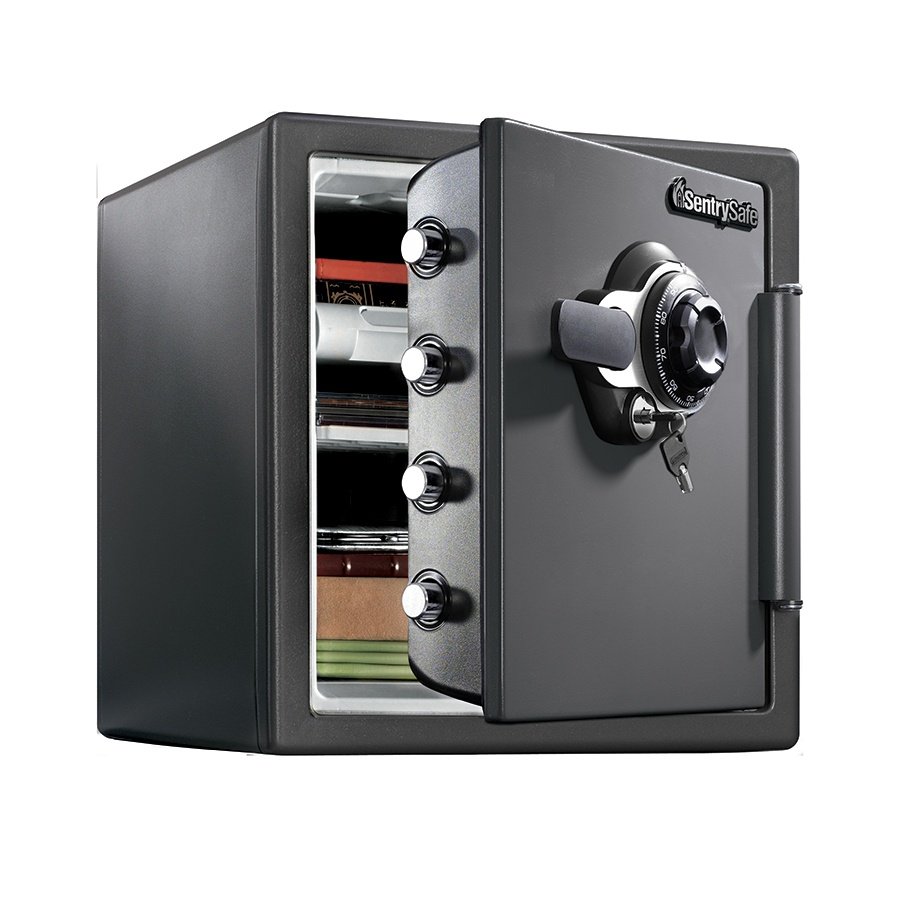
Floor Safe

Cash, jewelry, firearms and electronics are some of the most commonly stolen items during a burglary – so take extra care to inventory those items. Also, make an additional copy of the list, as one will be for your insurance company.

Remember everything you can about the scenario and try to jot down details as soon as possible. Despite the stressful circumstances, it’s important to record down descriptions while your memory is still fresh.

Take photos of the crime scene (but don’t touch anything!), as these photos may be helpful for the insurance company so that they can assess the severity of the damage. If you saw anyone exit your residence, write down any descriptive information you can remember – for instance their age, appearance, clothing, and the direction they left in.

4) Assist the police investigation.

The police will ask questions as well, including questions about former occupants of the house – like previous roommates – or information about who has recently had access to your home. Be prepared to answer questions like this.

Do you have security camera footage? If you do and you’re able to emotionally prepare yourself before you watch the video, watch the footage of the break-in to see what other details you can gather on the intruders.

Relay to the police any information you know and also give them the footage. If you think of more items that are missing later on, be sure to let the police know.

Before the police leave, make sure you ask the investigating officer where you can obtain the police report. Write down your case number and make sure you have the names and badge numbers of the police officers responding.

5) Call the insurance company.

Try to call the insurance company within 24 hours of the crime. If you have a homeowner’s or renter’s insurance and you file a claim, there’s a good chance that you can recoup some of your losses.

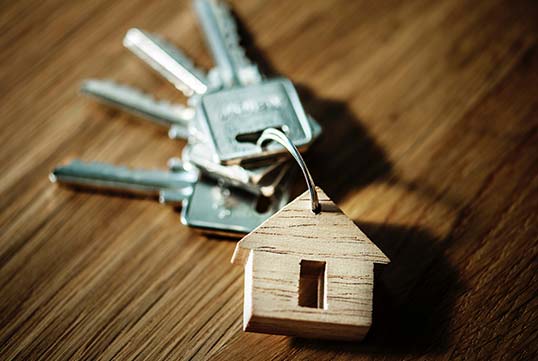
House Keys

When you do file a claim, make sure you have submitted all information to the police first since the insurance company will need a police report to process your claim.

The list need not be complete. However, make sure you understand what forms or documents you will need to support your claim. This may often include receipts for the items and product manuals or warranties.

When you give the insurance company any forms, make sure you keep a copy of it. You don’t want to give away your last or only copy of something!

The insurance company will probably send over a claims adjuster to take a look at your house. Since it helps accidentally tampering with evidence could cause complicate the process, stay at a relative’s or friend’s home until the adjuster can investigate your claim.

6) Repair damage caused by the break-in.

It’s normal to feel emotionally vulnerable after the break-in, and the number of steps you need to take to start rebuilding your life can feel overwhelming. Once you’ve handled the legal side of things and taken care of the insurance claims, it’s time to get your home back in order.

Clean up everything that’s physically been broken – the glass on the floor, the items strewn about, etc. Hire repairmen to fix broken windows or doors, cover up markings on your walls and board up any holes left behind.

Order new credit cards, debit cards or checks if any of them were stolen. Reset online passwords to prevent hacking and identity theft if laptops or computers were stolen.

Make sure you keep records of the expenses you incur as a result of the burglary as it’s possible depending on your insurance policy, you may get some kind of reimbursement. Note on receipts what was purchased and write down details in an expense book. Include all information in your folder.

7) Make a plan to prevent future break-ins.

The best way to deal with a burglary is to prevent it from happening in the first place. Take steps to ensure that your home is just too much of a hassle for an average intruder to break into. Check out our list of home security tips to help get you started.

Whether it’s a home invasion, fire, hurricane, earthquake, or any other disaster, you should have a plan in place in case it happens to you.

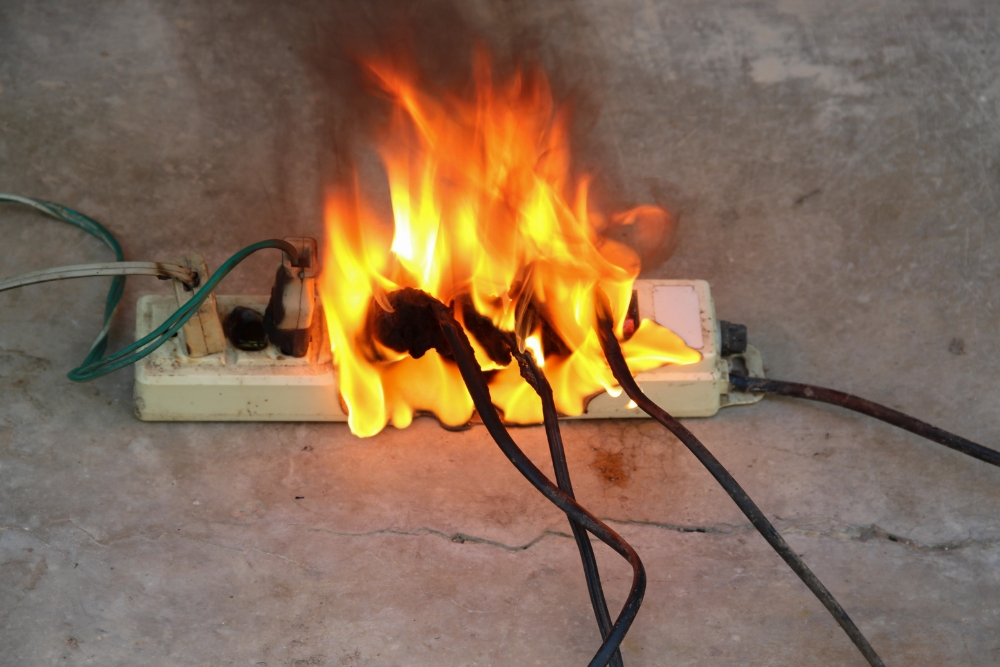
surge protector on fire

Your plan needs to include clear instructions for each family member. Determine which escape routes are best for each person and where the safe rendezvous point is outside of your home.

In most cases, having your rally point be outdoors or at a neighboring home is safest when the danger is inside your home, but this depends on the layout and location of your residence.

Studies have shown that homes without monitored security systems are three times more likely to be targeted by burglars, so consider installing alarm systems to reduce the risk of burglary.

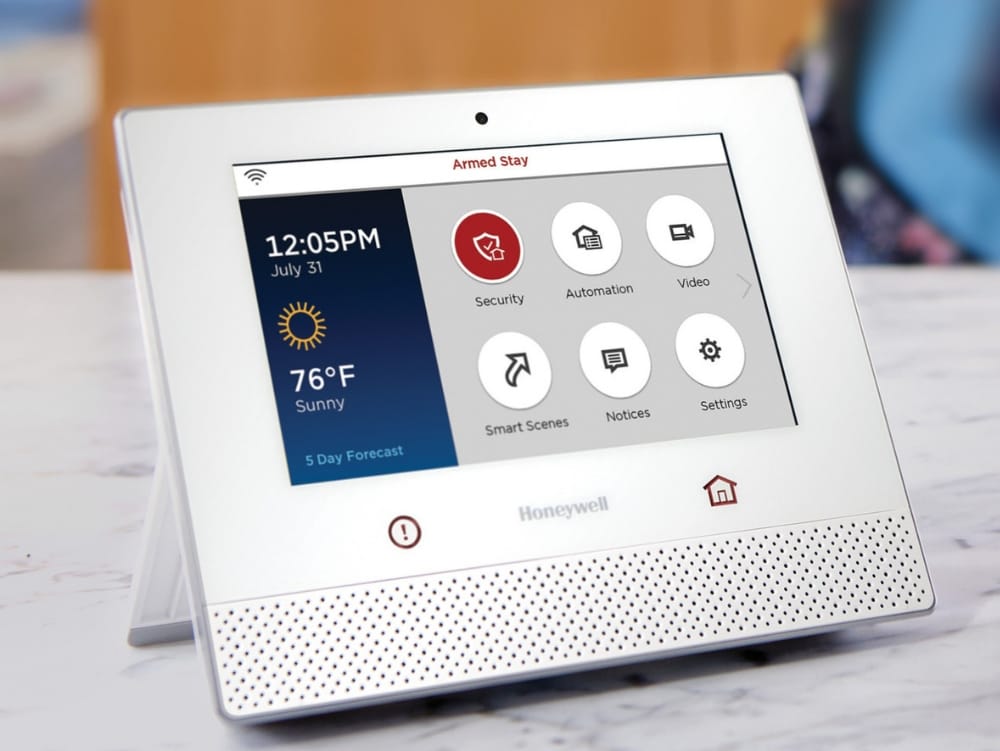
Lyric Keypad on table

To ensure that you get immediate help if your home is broken into, contact an alarm company like Alarm New England to further deter burglars and keep your family safe.

By understanding how potential intruders will gain entry into your home, you can prevent future break-ins. In addition to speaking with security experts about protecting your home, assess the weaknesses in your home by considering how the burglar gained access. Determine what caused the breach in the first place.

  • Did a lock break?
  • Did they go in through a window or door?
  • Did your alarm system go off the way it was supposed to?

It’s likely that he or she entered through a door or ground-floor window, so you should consider adding stronger locks to your doors and burglar-proofing your windows.

Burglars can also take advantage of a number of vulnerabilities in your home – from low-light areas and foliage cover to faulty locks and knowledge of your daily schedule.

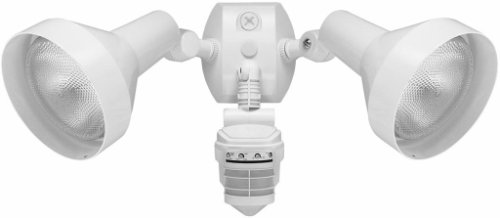
Other items you could consider are motion-sensitive lights for outside your doors – eliminating dark spaces for the intruders to hide.

Burglary statistics tell us that the majority of home burglaries happen during the day while homeowners are at work. When no one’s in the house, there are only two methods of security that have the highest chance of bringing the perpetrator to justice:

  • A reliable security system
  • Fast police response

Check out our Ultimate Guide to Home Security to learn more about home security tips, product recommendations, and guides to understanding how burglars operate.

Window Security Bars: Are They Right for My Home?

Window security bars are an excellent way to secure your home with a strong physical deterrent for a relatively low cost. Your home insurer may also offer you a discount or reduced rate for having bars or other security measured installed on your home.

There are many reasons why you might want to consider installing burglar bars on your windows to protect your home, including;

  • High crime/burglary rate in your neighborhood
  • Lack of neighborhood watch program
  • Basement or ground level windows
  • Fear that your home will be broken into
  • A lack of home security companies in your area

If any of the above apply to you, you may want to consider installing window bars on your home’s windows to protect your home, yourself and your family.

Types of Window Bars

Burglar bars are basically metal grids that are screwed or bolted onto your window’s framing. There are several options available, from DIY options that you can install yourself to professionally fabricated designs that require professional installation.

Some common types of window bars include:

  • Permanent security bars – these are meant to remain in place for long term use.
  • Swing away bars – these are hinged for easy window cleaning and emergency escape route use.
  • Removable bars – commonly used for residential store fronts where they are placed on the doors or windows at night and removed during the day.

Do Burglar Bars Work?

Yes! Just the sight of a home with barred windows is usually enough to deter burglars from even attempting to break into your home. Most criminals target homes that appear to lack basic security measures like a home security system, allowing them to be in and out in just a few minutes at minimal risk of being caught.

If you live in a neighborhood where safety is an issue, burglar-proofing your windows should be your second priority after you finish reinforcing your door.

Where Should I Install Window Security Bars?

You will want to start by installing bars on the windows that are lowest and that may be obscured by bushes or trees. If you have basement windows, this is usually a good place to start. Your basement windows are down low and usually hidden well.

How Much Will Installation Cost?

The answer to this question will depend on which route you decide to take when installing your window bars; do it yourself or professional installation. It also depends on how many windows there are in your home that you’d like to protect.

If you’re handy with a toolbox and feel confident about installing your own window bars, by all means, save the installation costs and do it yourself. Otherwise, hire a professional.

Smaller Windows

If you are looking to make installing burglar bars a DIY project, you can pick up kits designed for small windows, such as your basement, for around $100-$200 each depending on the quality and design of the bars. These can be installed in about an hour.

Installing window security bars involves mounting a pair of framing brackets on either side of your window. In order to do this, you will need long screws and access to a drill to get the job done right.

Larger Windows/Doors

If you are looking to secure larger windows or doors in your home, it will cost you on average $300-$500 per window for the supplies. If you choose to have them professionally installed, you are looking at adding on another $150ish per window plus the cost of the materials.

Before installing any type of bars on your home’s windows or doors, be sure to check with local codes to see what their requirements and restrictions are for barring windows.

Many local municipalities dictate that the bars need to have a quick-release feature that can be engaged from the inside to allow occupants of the home to escape in the event of a fire or other dangerous situation.

While installing bars on your home’s windows is highly effective at deterring crime, they work best when used in conjunction with a monitored security system. Unlike window bars, a security system is designed to protect you in an emergency by contacting the police automatically, even when you’re not there to respond.

Talk to a security system company near you to see whether window bars, motion detectors, or glass break sensors will be a more cost-effective security solution.

Everything You Need To Know About The 3G Cellular Upgrade

Do you have a residential or commercial security system? If so, you need to keep reading.

What Is the 3G Sunset?

In the event you haven’t heard about the upcoming alarm 3G sunset, let’s get you up to speed about the importance of migrating to LTE or even 5G networks for your security systems.

The 3G sunset refers to the impending point in time where manufacturers and carriers will stop manufacturing and supporting devices that use 3G networks.

For those that use these networks, there is not much time left to make the switch because the 3G sunset is not too far behind the 2G sunset.

Why Is 3G Being Phased Out?

So, why is this happening? The simple answer is that it’s time for something new. With the arrival of 5G, the natural progression is for carriers and manufacturers to start phasing out their older networks to make room for the new networks. Most ALL have already stopped supporting 2G networks, and 3G cellular upgrade will follow shortly.

What is the difference of LTE vs 3G?

We are now entering a period of transition from 3G/CDMA networks to long-term evolution (LTE) networks. LTE can be up to ten times faster than 3G/CDMA. It is important to remember that the 3G network was built to support voice and limited data transfers. The modern consumer simply requires much more from the network, rendering the question of whether to move to LTE vs 3G moot.

How Challenging is this Impending Move?

The sun will go down on 3G/CDMA soon. But the 3G sunset dates are still in flux. Different carriers have different dates. For instance, AT&T has stated February 2022 will be the end of their 3G network. Verizon says they will drop 3G at the end of 2022, with exceptions for some machine-to-machine (M2M) devices including IoT (Internet of Things) security products.

To avoid catastrophe, any alarm panel that communicates exclusively over these legacy networks will need a new modem cellular communicator in the next year or so.

Many consumers likely do not know how their security system communicates with a central monitoring station, interactive service, or smart home as a service. A terrible scenario would be them waking up in the middle of the night to the blare of a fire alarm, but no response.

When Should You Migrate?

The 3G sunset will impact devices like cell phones and security systems.Your devices that are supported by 3G networks could lose important data and functionality if you don’t make the switch to LTE before your carriers drop them.
If you have any IoT devices operating on a carrier’s network, then you’ll lose that function for them as well. You will also need to make sure you have taken everything into account when migrating to a new network because more than likely most of your devices are connected.

If you haven’t already, you should begin converting all of your 3G/CDMA network devices to LTE network devices right away. While some carriers won’t drop 3G/CDMA support until after 2022, there are others such as Verizon that will stop after December 31, 2022. Depending on your carrier, you could lose that 3G support in a couple of months. If you haven’t started the transition, you should start now as the dates could change.

Concerned? Start with a Checklist

If you do not know how to begin migrating your devices, here are a few things you can do to start the process:

  • Take Inventory: Consider all of your devices and take note of the network type they are operating on. Also, ascertain which carrier supports each device. These two factors will determine which devices need to be upgraded or replaced.
  • Determine Priorities: Determine how you use your devices, whether for business or for personal use. Then decide what types of devices you will need moving forward. This will help you decide whether or not to update their networks. You may decide that it may be more cost-effective to eliminate some devices rather than migrate them to a new network.
  • Schedule Migration: You don’t have to migrate your devices all at once. Set up a schedule where you can migrate your devices based on priority. Considering the long-term, it may be a good investment to migrate some of your devices up to the new 5G LTE networks now. If you plan on keeping certain devices for a long time, upgrading them to the latest network sooner rather than later can save you significant time and money in the future.

Systemic Challenges to Migration

The big alarm providers are – well – alarmed by the prospect of migrating all of their customers. By some estimates, half of US alarm system subscribers are connected to the 3G network. Upgrading all of those subscribers would require over 100,000 service calls every month for the next three years or more.

The big alarm companies are going to struggle to change over all of their customers.

These large companies are going to likely charge up front $200-$500 and increase your monthly rate. Make sure your company is pricing fairly.

The crush of customer complaints could also overwhelm their call centers. It takes a long time and many steps to get from a phone call to the installer knocking on the customers’ door let alone trying to set up an installation for something they do not want.

The 3G sunset is coming.  You need to know the evolution of the network, what it means for you and your security system and what step to take.  Alarm New England can help.

So now what?

The solution? Work with a local alarm company that focuses on customer service and responsiveness.

In order to maintain an active cellular communication path, it is crucial that you upgrade to an LTE communicator. LTE stands for “Long-Term Evolution”, and AT&T is expected to support their LTE network for many years to come. Most alarm systems that we support currently have an LTE communicator available, while others should be releasing one in the coming months. We recommend checking through our selection of cellular communicators to see if an LTE communicator is available for your system.

If you are affected by the alarm 3G sunset, now is the time to take action. You still have an opportunity to keep your system monitored or upgrade to a new system if necessary. The best thing you can do is contact Alarm New England immediately. We can verify which communicator your system is using if you aren’t sure. If you do need an upgrade, we can make a recommendation.

If you need help in obtaining devices with the latest networks, we can help. We want you to stay monitored and protected. That is our absolute top priority as a company. If you are affected by the alarm 3G Sunset, we urge you to reach out to us. Likewise, we also urge you to reach out to us if you are not sure. We can check your equipment and confirm whether or not an upgrade is needed.

Local security companies like Alarm New England can help you navigate the 3G sunset.

Our team at Alarm New England can build a completely new alarm system or upgrade the equipment you already own. Reach out to us today. Let us get you set up!

The Best Places to Mount an Outdoor Security Camera

In today’s world, home security is more important than ever. Gone are the days of leaving doors unlocked, windows open, and car keys in the car.

Home surveillance has now become essential for every homeowner who wants to feel that their home and family are safe and protected from intrusion. Installing outdoor home security cameras help to ensure that your family is safe and protected.

boston-security-camera-1

The mere presence of a camera is often enough to deter the average intruder from trying to enter your home. The cost of installing an outdoor security camera system is money well spent as it provides exceptional security to your home.

Establishing the Best Places to Mount and Outdoor Security Camera

Establishing what you would like to observe with your outdoor security camera is the first step in determining where the best place to mount the camera is. Unfortunately, it is difficult to cover the entire exterior of your home with just a few cameras, so strategic placement is vital.

A single camera cannot do and see everything at once. If you want to a clear picture of an intruder outside your home, you will need access to several camera angles to get full coverage of the intruder.

Common Security Camera Needs

  • Monitor suspicious activities that may occur outside the home
  • Watch garages, barns or sheds
  • Determine what kinds of animals are entering your yard
  • Monitor vehicles parked in the driveway
  • Ability to see who is at your door to determine whether you should open it

Each home will have different needs, so it is important to consider where on your property you feel most vulnerable. Do you have a garage full of valuable tools and equipment? Has there been a string of auto break ins or thefts in your area? Are you having issues with animals eating your plants or getting into your garbage?

Considering and answering these questions will help you determine your outdoor security needs and in turn, where to place them for maximum efficiency.

Considerations

There are several things to consider before installing outdoor security cameras to your property, starting with the fact that you will likely need more than one camera to be able to effectively protect your home and property.

It is a misconception that installing your cameras up as high as possible is the best way to capture an intruder on-camera. Having your cameras up high allows for a wider range, but your image quality will suffer. That being said, you want to aim to keep the cameras out of human reach, but close to the area that you want to narrow in on.

Always choose outdoor cameras with the widest range possible to give you the best coverage. A camera that has a wide range can see intruders approaching at different angles as opposed to a limited range camera where the intruder would need to virtually walk right in front of it in order to get a clear picture of him or her.

Where is the Best Place to Mount an Outdoor Security Camera?

There is no one size fits all answer to this question. As we outlined above, camera placement is highly individual and depend on you and your home’s specific security needs.

For maximum security, consider the having coverage over the following areas:

Doors

Most intruders start with either the front or back door to try to gain entry into your home. If you’re only planning to purchase a single camera to secure your door, you should absolutely start by protecting this area. Making sure that you have security cameras covering your main entrances to your home is vital for your home’s security.

Driveway or Parking area

Having a camera installed with a clear view of your driveway or area where your vehicles are parked will help to protect them from vandals. Unsecured garages are also high-value targets for burglars. If you need visibility over a wide area and don’t want to invest in several cameras to cover all possible angles, consider a pan-tilt-zoon (PTZ) camera for the added versatility. Thanks to its ability to rotate to point the lens just about anywhere with ease, you don’t need to worry about blind spots.

Windows

Large windows, windows that don’t face the street, and hidden windows are most susceptible to break ins. For this reason, it is wise to install cameras that are directed towards these windows.

Doorbell

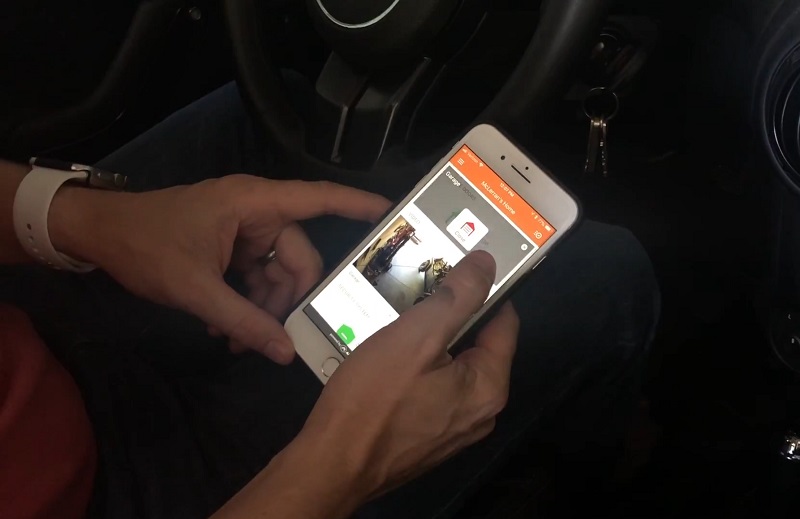
Another security camera option is a video doorbell that allows you see who is at your door regardless of whether you’re home or away. Many doorbell cameras even have night vision technology and a wide view that allows you to see your entire entrance.

skybellapplicationcompress1

When it comes to the safety and security of your home and loved ones, it is important that you take every precaution necessary to protect yourself.

Outdoor security cameras, used in conjunction with other home security measures like a monitored alarm system, can help to deter intruders and assist law enforcement in an investigation.

X

GET FREE QUOTE

What are you protecting?*

Step 1 of 4

Is your property currently monitored?*

Step 2 of 4

What size is your property?

Step 3 of 4

Who is this personalized quote for?*

By clicking this button, you consent for Alarm New England to use automated technology to contact you at the number provided. This consent is not required to make a purchase from us.

Step 4 of 4