How Do Smart Light Bulbs Work?

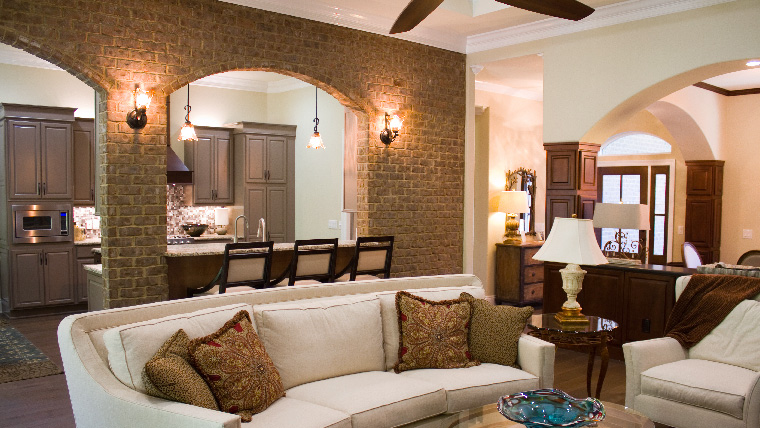
Smart bulbs and smart lighting systems are a great way to personalize your home’s atmosphere. Even a single smart bulb is a step towards making your home a smart home.

So if you’re thinking about equipping your home with smart bulbs, here’s some of the most important information about them. We’ll cover exactly what smart bulbs are, how they work, and why you should use them.

What are smart bulbs?

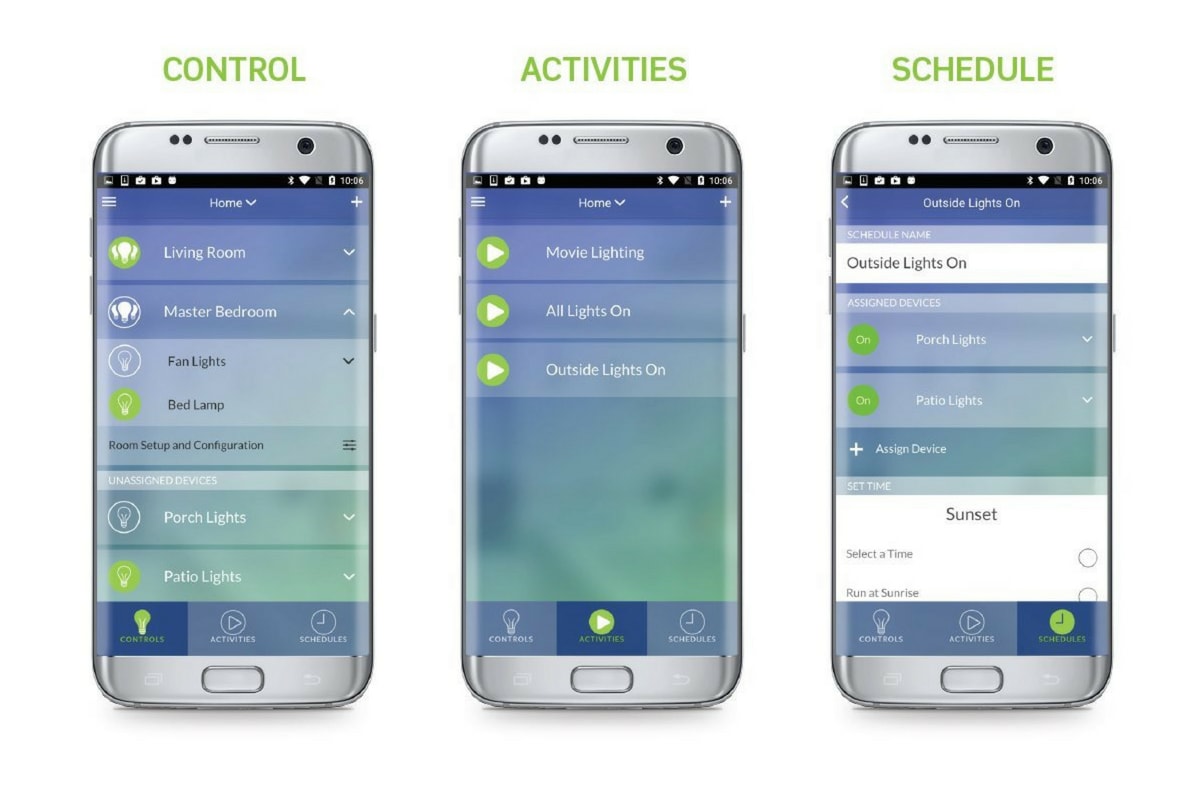
Smart bulbs aren’t just controlled with a simple on/off switch. You also have the option to control them with an app on your phone.

philipslight

Additionally, you’ll also have full control over the color and brightness of the bulbs (depending on the model), so you can set the ambiance of your home.

Most smart bulb apps will suggest “recipes” which are basically just preset color/brightness combinations. Each recipe will be associated with a different feeling or energy. For example, some will promote concentration while other light recipes are designed to help you relax.

Smart bulbs and smart lighting systems aren’t just about impressing your friends with your tech-savviness at the next dinner party. They give you the freedom to control the light and atmosphere in each room, transforming your home into a more ideal environment to live, work, and relax in.

Benefits of smart light bulbs

If you’re wondering whether or not you should buy smart light bulbs, you’ll be pleased to hear that these bulbs have a number of benefits over standard lighting systems.

Turn any light on/off in seconds

If you forgot to turn off the light in another room, normally you’d have to make your way back to the room and flick the switch. If this light happens to be up or down multiple sets of stairs, or in a corner of the house that’s harder to access, this can mean a lot of wasted time traveling back and forth. But with a smart bulb, you can turn any light on or off, regardless of its location.

smartlightingcompress6

If you’re heading out, you can easily turn every light in the house off with a single tap or swipe. No running from room to room.

This also means if you’ve forgotten to turn off any lights when you leave the home and you don’t realize it until you’re sitting in traffic halfway to work, no need to sweat it! You can turn off the light remotely through your app.

Control lights with your voice

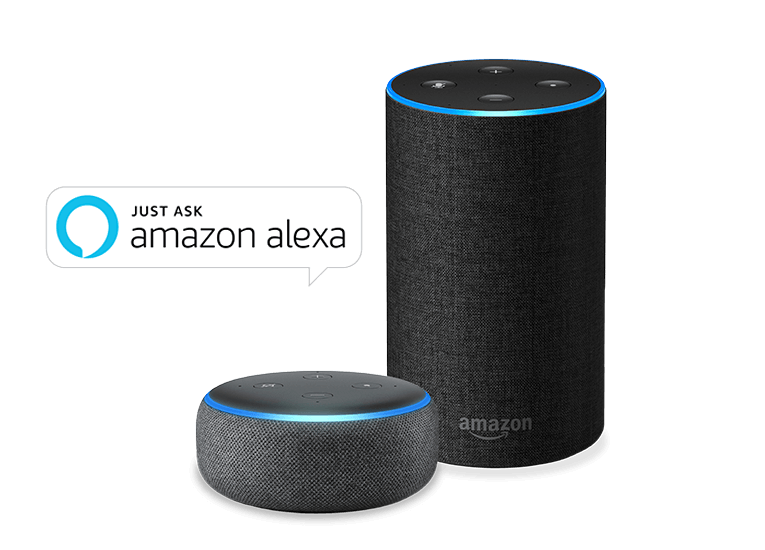
To make things even easier, if you connect your smart bulbs to a smart assistant like Amazon Alexa or Google Home, you don’t even need to use your phone to set the lighting to your desired level. You can just use your voice.

alexa

So if your phone’s out of juice, or it’s just too far away to reach, you can just call out a command and let your smart device do the rest of the work.

Conserve energy and save money

Most people find that when they get smart bulbs, they end up saving money on energy bills. Smart bulbs aren’t necessarily more energy efficient than regular LED light bulbs, but as you’re able to control them with your phone or your voice, you’re likely a lot more aware of switching them on and off.

img-indoor-lighting-installation

You can often command all of the lights to turn off at once, which means it’s less likely that you’ll leave the odd light on by accident. You can also use smart timers to make sure lights turn off or on at a certain time.

Have full control over your home

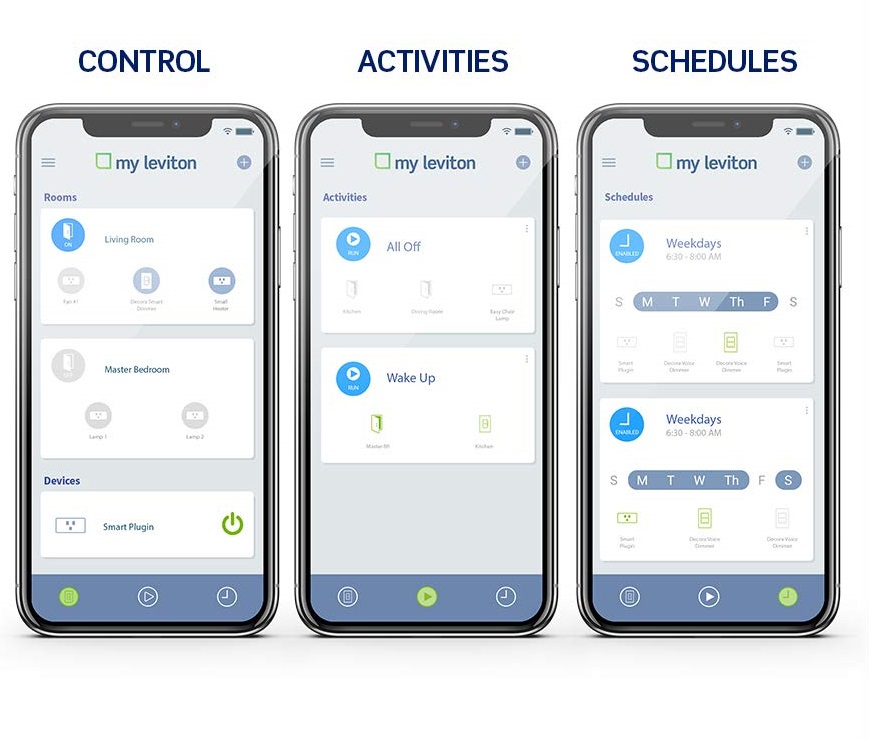
There’s not much choice in terms of ambiance when you have a standard light bulb. Sure, you can sometimes get dimmer lights such as the Leviton Smart LED Dimmers and turn the brightness up or down, but with a smart bulb, you’ll have full control over your home’s lighting.

leviton-LED-dimmer-switch-1You can customize the color and brightness of the lighting in each room of your house. You’ll be able to optimize your home space for living, working, playing or relaxing.
How do smart light bulbs work?

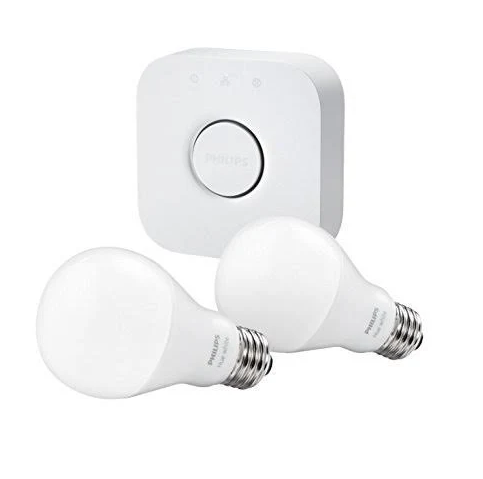
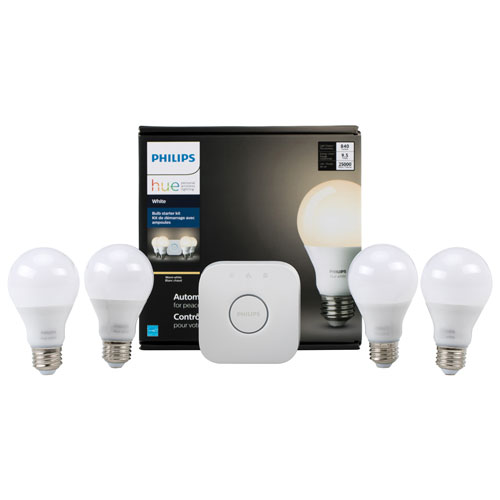
Smart bulbs don’t just emit light, they also connect wirelessly to their neighbor bulbs and to smart devices such as a mobile phone, an Amazon Alexa or Google Home, etc. Philips Hue Smart Bulbs are one of the more popular smart bulbs on the market.

philips-hue-smart-bulbAll smart bulbs have wireless technology, but some of them differ in terms of exactly what automation protocol they use. Some smart bulbs use Wi-Fi, others use Bluetooth connections. And some bulbs even give you the option of using Wi-Fi or Bluetooth, depending on your preference.
What do you need for a smart lighting system?

If you’re wondering how do smart light bulbs work, you might be wondering if you need any extra equipment to set them up. The simple answer is, yes, as smart bulbs aren’t stand-alone devices. Here’s what you need to make your home’s lighting system “smart.”

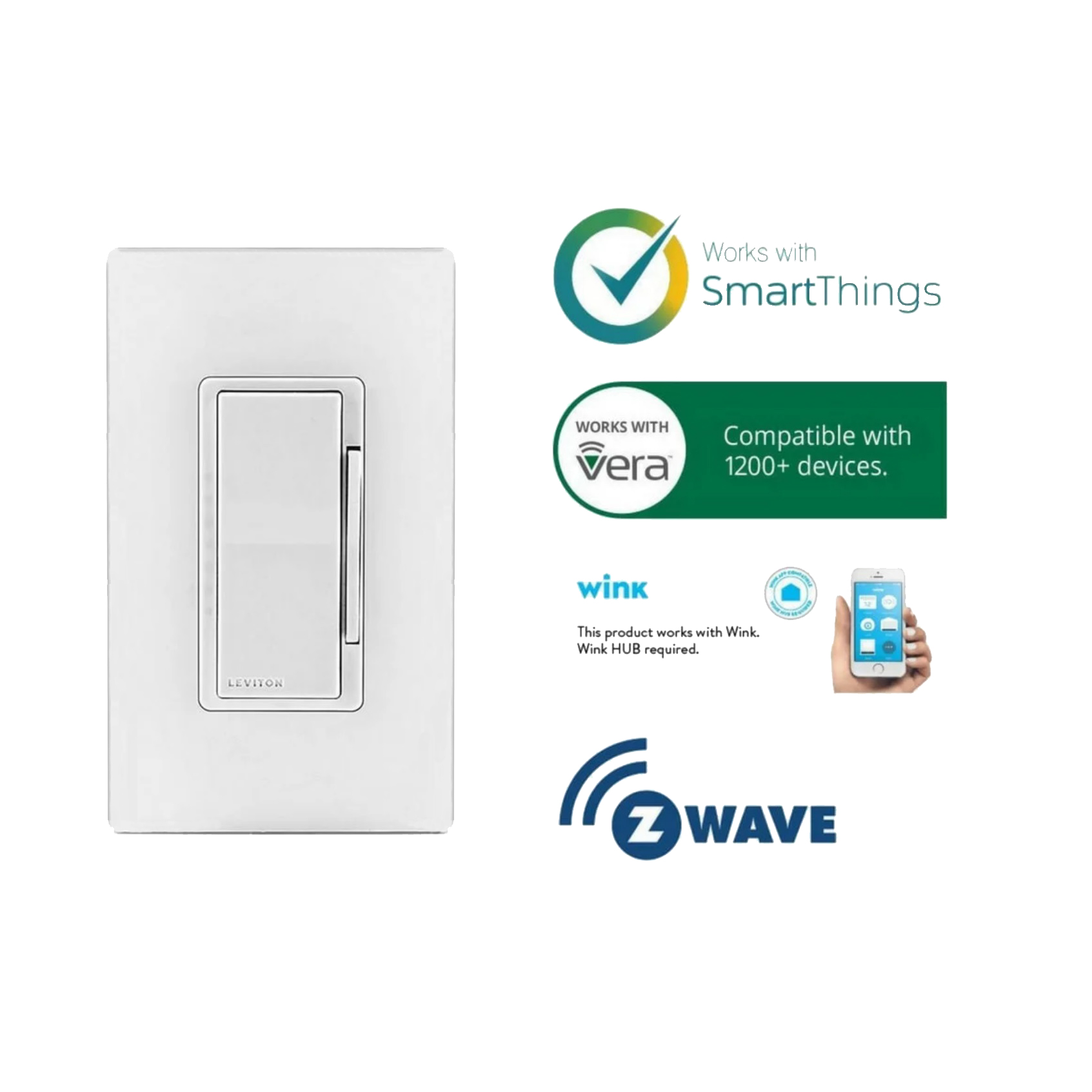
You need to connect them to an app on your phone, and sometimes to a smart home device or hub. Smart hubs are like central gateways for your home. All of your smart devices can be routed through them, so that you can control everything in your home just by using a single device. Popular hubs include Nest, Wink, SmartThings, or devices like Amazon Alexa, Google Home and Apple HomeKit.

leviton-light-switch-squareHubs are especially useful if you want to set your smart bulbs up on a timer, or link them with a compatible doorbell camera. This way you can set your lights to come on at certain times, or when the doorbell rings.
That being said though, you don’t always need a smart home hub to set up a smart lighting system in your home. It’s just a good option if you have lots of smart devices that you want to integrate.

Ultimately, the main thing you need is your smartphone. It will be difficult to effectively use your smart light bulbs without the accompanying app. You just download the app, connect your bulbs, and then control them from your phone. In some cases, you can toggle lighting from the same app that controls your security system.

How to Buy the Best Home Safe

If your home caught fire tomorrow and was completely burned to the ground without any chance of rescuing your property, what would be the three most valuable items that you lost?

If a burglar broke in while you were away on vacation, what are they likely to walk off with?

Frightening, isn’t it? Sometimes we don’t realize just how vulnerable our property is until tragedy strikes.

No one ever plans to have a home fire (arsonists excluded), but when they do strike, the homeowners who suffer most are the ones who were unprepared. In an instant they’ve lost valuable collectibles, their car title, jewelry, cash, digital data, and more. And the same can be said of burglary.

That’s where home safes come in. They protect your most valuable assets from the most dangerous threats. If you’re looking into how to buy the best home safe, you’ve basically got to answer two questions:

  • What am I trying to protect?
  • What am I trying to protect it from?

Safes are designed to keep your valuables defended against the two dangers we’ve already identified: fires and burglars. But not all safes are secure against both, and not all safes are created equal.

In this in-depth guide to buying the best home safe, we’ll look at the different types of safes on the market as well as the spectrum of security they provide.

Fire-Resistant Safes

Most safes are at least designed to resist fires. If you only need to secure property that wouldn’t be of much value to a thief, such as contracts, wills, and other important documents, then a fire-resistant safe will suit you just fine.

These safes are designed to resist high temperatures, but can be broken into pretty easily by a burglar with moderately decent tools. The walls are thick and hollow (to prevent heat transfer), and the safe is filled with fire resistant insulating material.

Fire Safe Standards

The protection provided by any model of safe from a fire is typically indicated in hours, an indication of how many hours the safe can withstand an external temperature of 1700 degrees Fahrenheit without the inside heating to the point that paper could burn (350 degrees).

fireresistantsafe

Underwriters Laboratory (UL) is one trusted organization that sets such standards, and a home safe should have a minimum UL rating of at least one hour. Two and four hour rated safes are also available, but one hour is usually enough for most home safes.

Protecting Digital Media from Fire

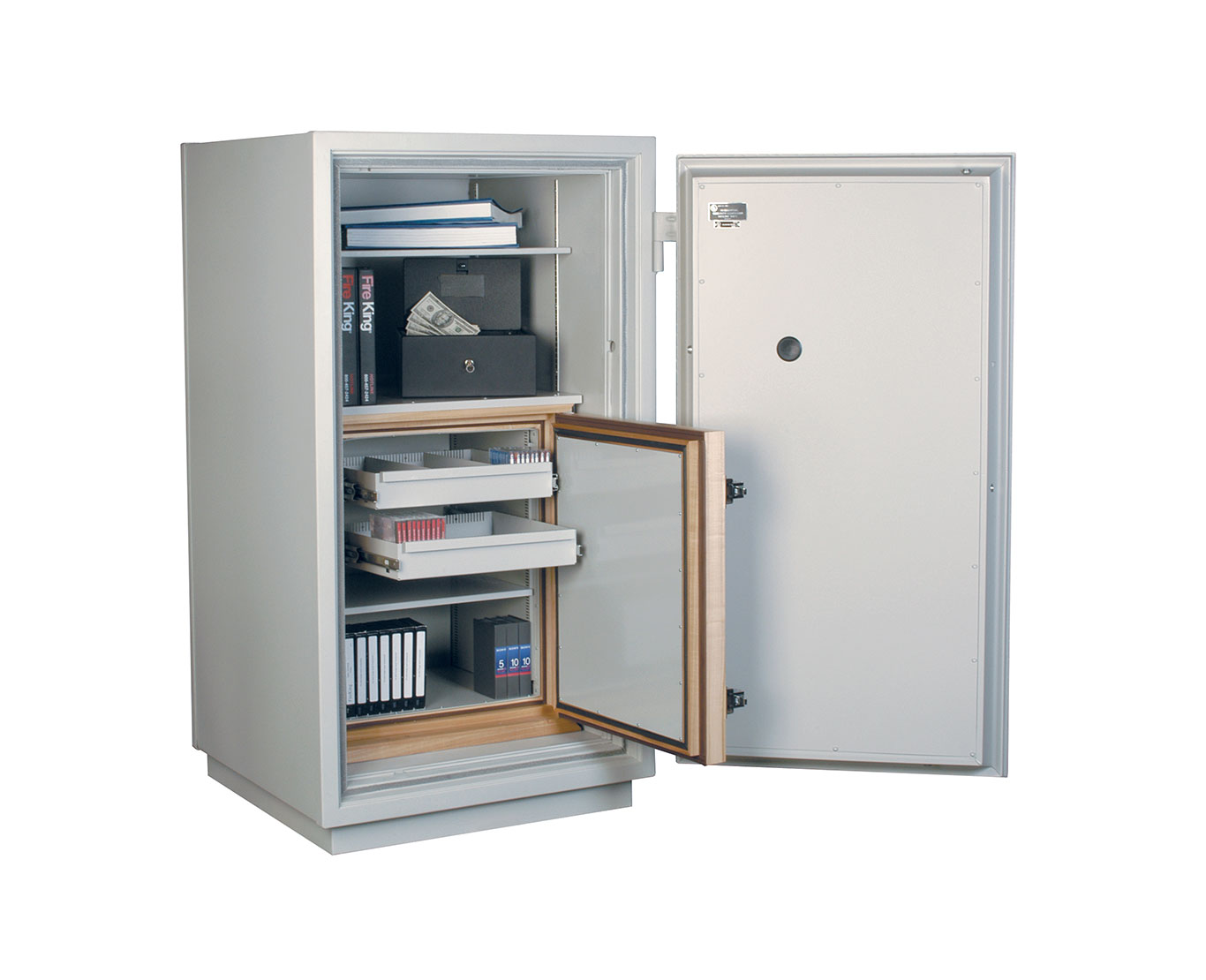
While paper burns at 350 degrees, objects like tapes, DVDs, CDs, hard disks, and USB drives can be vulnerable as low as 125 degrees. If you need to protect items such as these, you may want to invest in a special media safe.

mediasafe

While they can run two or three times the price of your standard issue fire safe, they are rated for much higher temperatures and are also designed with special moisture-resistant insulation.

So if you’ve got precious home movies, an autographed copy of Joe Versus the Volcano, or years of backed up computer data to protect, a media safe might be the best home safe for you.

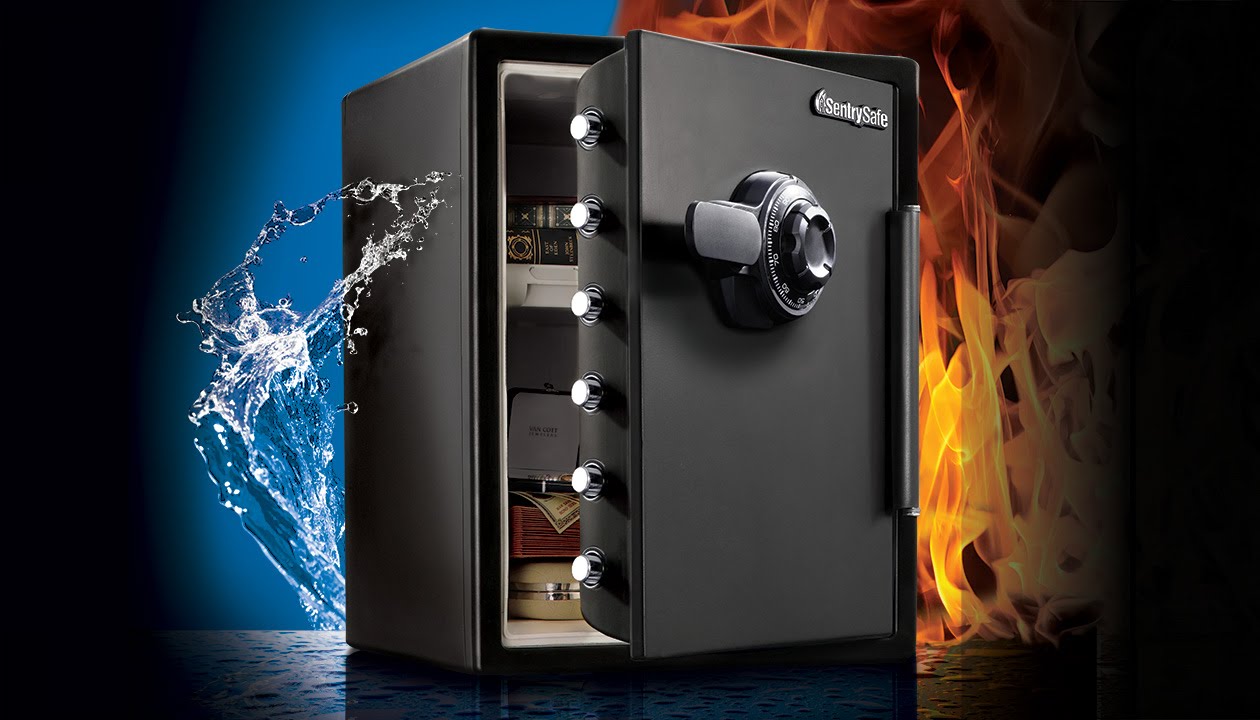
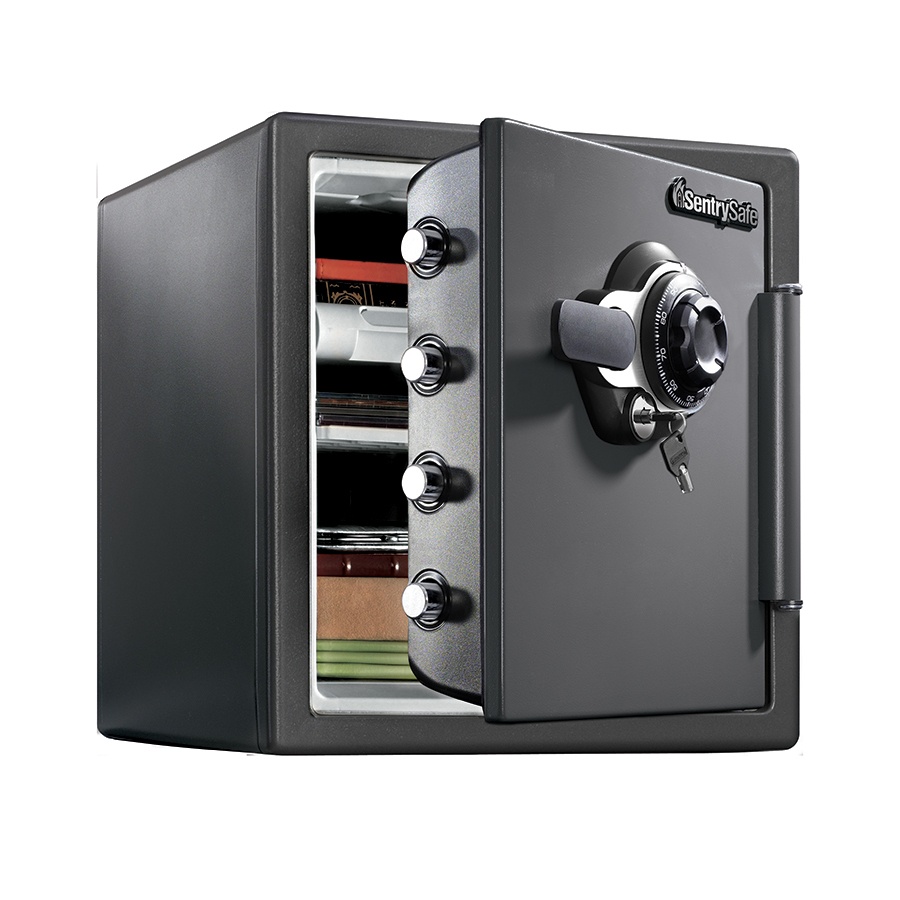
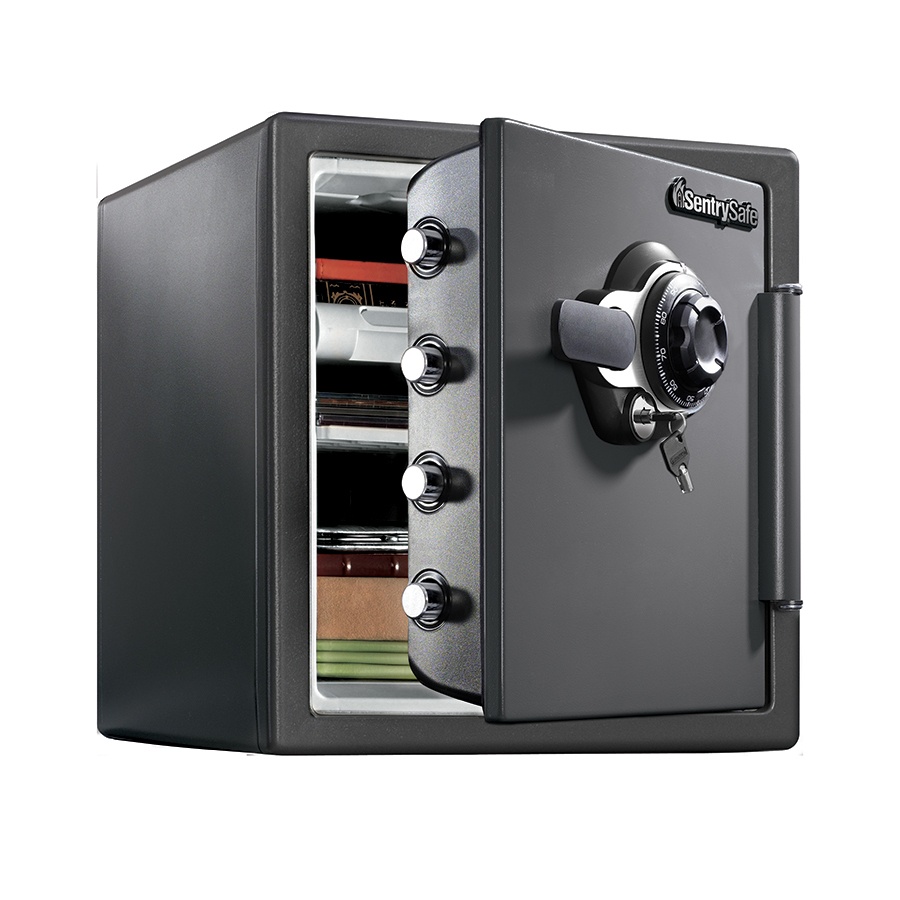
SentrySafe SFW123DSB 1.23 Cubic Feet Combination Fire-Safe

This is one example of a popular fire-resistant safe to give you an idea of some of the typical specifications. Featuring a combination lock with a tubular key and four live-locking bolts, the SentrySafe is designed to provide security for years upon years.

floorsafeFloor bolting hardware is included for additional security, but please note that mounting requires you to drill holes in the mounts, which will reduce the safe’s flood resistance.
The SentrySafe offers superb heat resistance for all of your most precious media, bearing a UL and ETL (Edison Testing Laboratories) 1-hour rating (up to 1700 degrees) for DVDs, CDs, USB drives, and memory sticks.

It meets UL standards for resisting a 15-foot drop and is ETL verified to withstand being submerged in 8 inches of water for up to 24 hours (except when drilled for mounting).

Furthermore, you can add even more peace of mind by enrolling in the SentrySafe Fire Protection Guarantee, which offers up to $50,000 of insurance on your property should the safe fail to protect them

Burglar-Resistant Safes

If you’ve got more to protect than documents and media, you’re gonna need a bigger safe (or at least a better one). While a fire safe is great for protecting your valuables from burning, they’re gonna crack open like a can of tuna to any burglar with the right tools.

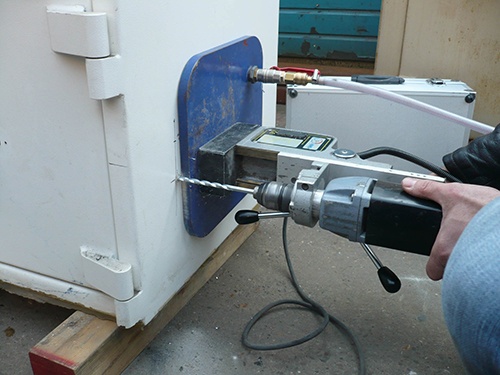
If you’ve got real valuables, like jewelry or cash, you’re going to want to invest in a burglar-resistant safe. These are made of steel and feature thinner walls than fire safes, and they are designed to withstand assault from tools like power saws, sledge hammers, and high speed drills.

drillsafe

They are also intended to be heavy so that they can’t just be carried off, and ideally they should be tied into your existing security system.

Burglar Safe Standards

Burglar safes are rated based on how long they were tested to withstand assault with a wide array of burglar tools. The Underwriters Laboratories standard minimum rating of TL-15, for example, means that the safe was unable to be cracked after 15 minutes of concentrated tool work with drills, hammers, carbide disc cutters, and other sophisticated burglary equipment. TL-30 would indicate that a safe withstood attack for 30 minutes. And so on.

Another standard that some safes include is torch resistance (TR), or the ability to withstand a cutting torch for a given number of minutes. A safe rated TRTL-30, for example, has been tested to withstand attack from burglar tools and a cutting torch for 30 minutes.

A final standard for the heaviest of safes indicates its resistance to explosives, indicated by TX. While you probably won’t need anything this serious, you never know. It all comes down to what you’re protecting.

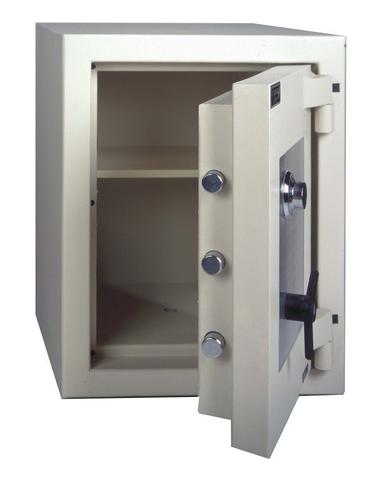
AMSEC’s AmVault TL-30 Fire Rated Composite Safes

Here’s an example one safe that is rated for burglar and fire resistance. This TL-30 rated safe demonstrated the ability to hold up against the expert testers at Underwriters Laboratories for 30 minutes against their best efforts with power saws, carbide disc cutters, drills, and more.

fireratedcompositesafe

The AmVault is also fire resistant, and suitable for use in both commercial and residential settings for the protection of your most valuable possessions.

Choosing the Best Burglar Safe

When it comes to choosing the best home safe for protection from burglars, you want to keep in mind the situation in which most thieves are trying to bust into a safe. Typically, they’re under pressure, keeping one eye out for law enforcement, and working in the dark as fast as possible as their nerves run wild. Basically, they are trying to break into a steel safe in the absolute worst conditions.

When these safes are quality rated, the tests are performed in the complete opposite situation. The room is well lit, the testers are under no pressure, and they’re equipped with the most powerful burglar’s tools. So, buying a TL-15 safe is probably fine for most home safes because 15 minutes is a long time for a burglar to be whacking away at a safe. If you’re really looking for security, though, go for a model rated for 30 minutes or more.

No matter how burglar-resistant your safe is, however, it won’t matter a bit if a home invader can just lug it away and work on it all night elsewhere. For this reason, if your safe weighs less than 750 pounds, it must be anchored to the floor or wall for maximum effectiveness.

Frequently Asked Questions About Safes

So, your main choices come down to fire safe or burglar safe, and the choice relies on exactly what it is you’re protecting. If it’s anything that a thief could potentially find valuable, spring for a burglar-resistant model.

As you consider the best home safe for your needs, the following FAQs might further help you make the right choice for you.

Is a Floor Safe Right for Me?

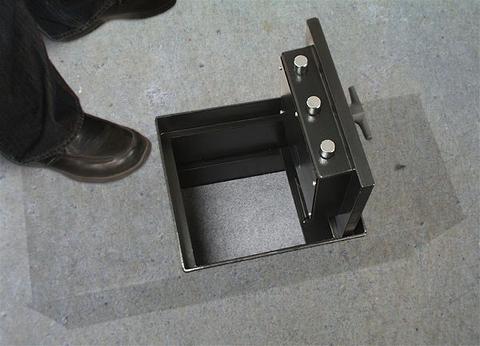
Floor safes are about as safe as safes can be. They are installed to be level with the floor and surrounded with at least 200 pounds of concrete, so they are near impenetrable and completely impossible to be carried away by a common criminal. Settled below the ground, floor safes are also easily concealable with a rug or even by being placed beneath a couch or dresser.

floorsafe2

Floor safes are also especially resistant to fires because they are below ground level. This means that the fire can never really engulf them. They don’t heat easily, and popular locksmith lore holds that there has never been a loss by fire from a properly installed floor safe.

The primary disadvantage with floor safes are convenience and permanence. They are kind of difficult to access because you have to stoop to the ground, so they might not be a good choice if you have joint pains or are approaching old age. They’re also permanently installed in the floor, so you can’t take them with you if you move.

Should I Buy a Keyed Safe or a Combination Safe?

Keyed safes seem more convenient, but keys are easily lost and easily stolen. If a burglar breaks in and finds a keyed safe, the next thing he’ll hunt for is your keys.

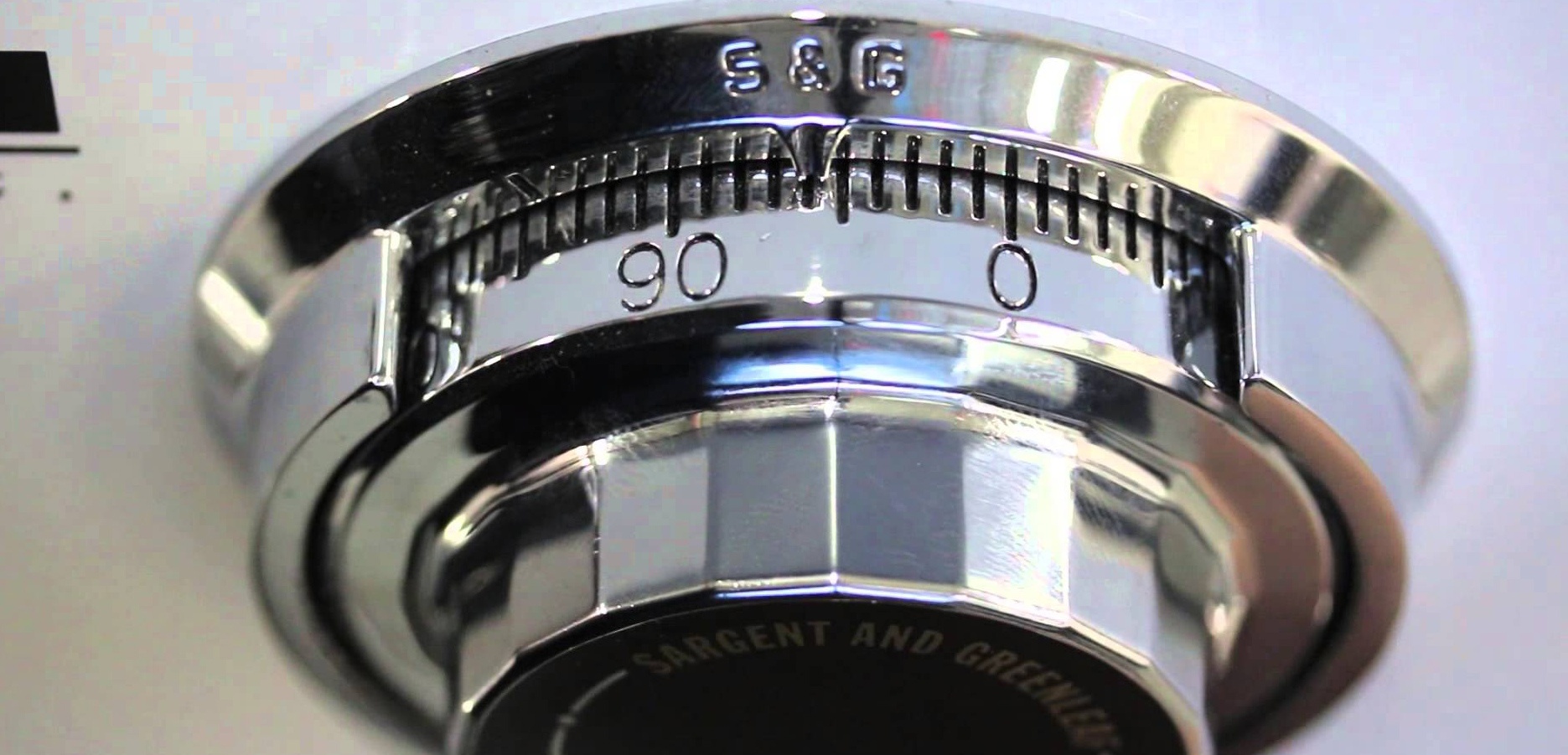
Combination locks, on the other hand are much harder to break into because a thief can’t steal or copy your combination the way they can your keys. Furthermore, you can change the combination as necessary when people move out or employees change.

combinationlocksafe2

While you might be annoyed at having to remember the combination, you can easily write it down disguised as a phone number (or pull a Walter White and buy a lotto ticket with your combo numbers).

Can a Burglar Break Into a Safe Through Other Methods?

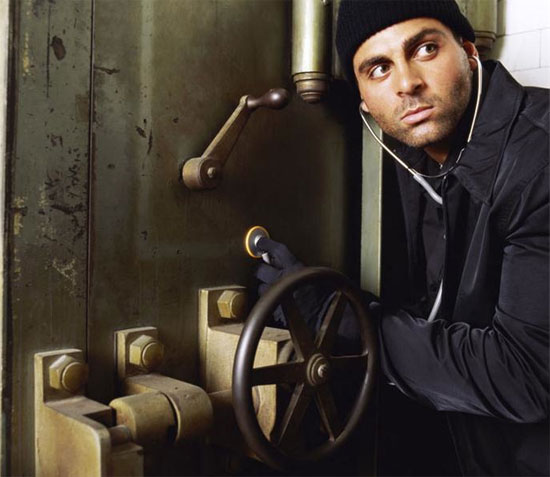
The movies are filled with expert cat burglars cracking codes with stethoscopes or filing down their fingertips to feel the click of tumblers. But such gimmicks are simply for the silver screen.

safe-cracking-burglar

In reality, the vast majority of safe jobs are clumsy and not premeditated. Burglars happen unsuspectingly on your safe and make a pathetic attempt to break in. At best, they might attempt to drill into or smash their way into the safe with basic tools.

The few safe jobs that are successful are likely the result of the owner failing to lock the safe or the burglar acquiring the combination somehow.

Are Bolted Hinges Secure?

You might think that you have to buy a safe with welded hinges because otherwise a burglar could just remove the hinges and crack the safe, right?

Wrong. Hinges work a little bit differently on burglar safes. They exist purely to hold the weight of the door when it’s open, but are not actually tied to the locking mechanism.

How Can I Learn More About Safes?

If you’re in the market for the best home safe, you want to talk to as many qualified professionals as possible. Find an expert locksmith to start with, and ask them for references. There’s no one better to learn about safes than from than someone who’s an expert at working with (and breaking into) locks.

Another great source of information is your insurance company. Your agent may be able to secure premium savings for you based on the security rating of your safe.

Find the Best Home Safe for You

We hope this guide on how to buy the best home safe has been as fun to read as it was to write. Remember that what it really comes down to is identifying what it is you need to protect and what it needs protecting from.

For some, a fire safe will do the trick. For others, burglar-resistant is the way to go. Those looking for maximum security may invest in a floor safe. But, whether the threat is fire or theft, your goods are only as safe as the safe they’re secured in.

How Much Snow is Too Much for Your Roof?

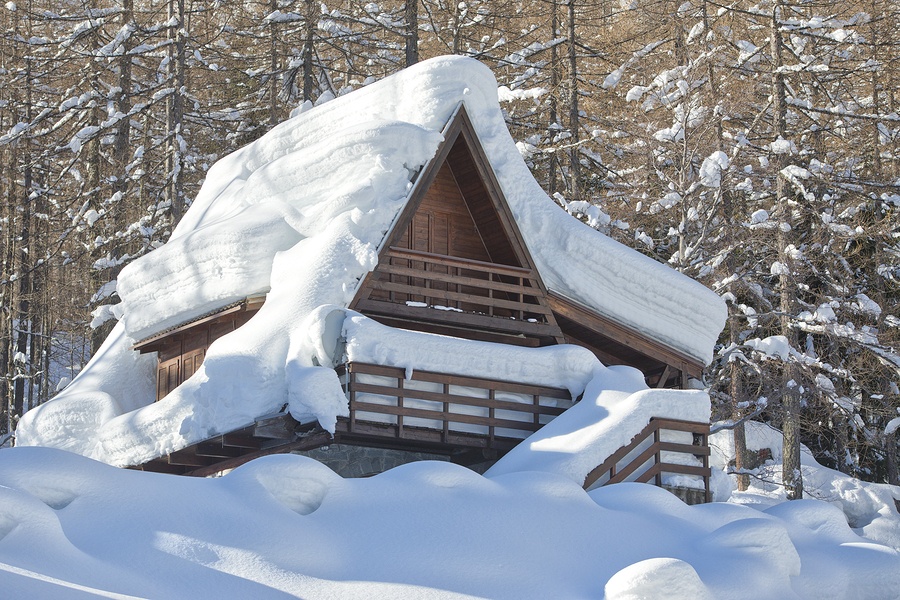
If you live in a cold climate that is prone to snow storms (i.e. New England), you may find yourself asking how much snow is too much for your roof? With many homes in the area being built long ago, the possibility that the roofs are no longer as strong as they used to be is very real.

This article will discuss how to calculate how much snow your roof can handle and steps you can take to prevent a heavy snowfall from damaging your roof and home.

Snow Fall Weight

One of the major determining factors for how much snow is too much for your roof is how heavy the snow fall is.

You have probably heard of or seen the difference between wet snow and fluffy snow. Wet snow weighs considerably more than dry or fluffy snow, because as you can probably guess, water weighs more than air. In fact, it can weigh up to six times more than fluffy snow.

Given the great differences in weight, the impact of a large snow fall will vary greatly on what type of precipitation you are dealing with.

snow-roof-weight

How can you tell what type of snow you are dealing with? If you pull out your shovel and try shoveling wet snow, your back will feel it. Shoveling wet snow is a workout that requires a lot of effort.

Fluffy snow, on the other hand, can be easily scooped and tossed with a flick of your shovel. You can also usually rely on local weather forecasts to tell you what type of precipitation is falling and how fast.

To make an estimate of how much snow weighs, use this guide provided by DisasterSafety.org: 

Alternatively, you can approximate how many pounds of snow are on your roof by multiplying the inches of snow that have fallen by the square footage of your roof.

Roof Stability

The good news is that, no matter what type of snow fall you are dealing with, your roof should be able to withstand it. There are certain building codes that need to be followed when installing your roof and these codes provide ample allowance for even the heaviest of snow falls.

The roofs that run into problems during periods of heavy snow fall are those that are:

  • Not up to code
  • Have undergone an improper renovation
  • Where there has been improper removal of internal load-bearing walls

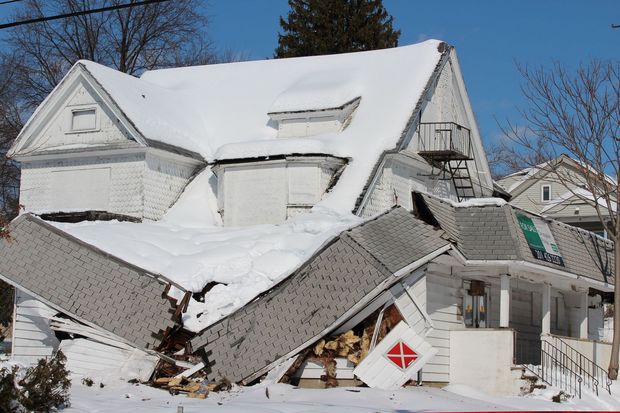
If your home falls into any of these categories, you could be at risk for a dangerous and costly roof collapse.

roof-collapse(Source: Reconstruction 380)

When in doubt, call an expert. A home inspector, roofer or contractor should all be able to come to your home and check your roof and the interior structure to make sure things are done correctly and are not posing a threat to the integrity of your home.

One way to determine yourself if the weight of snow is affecting your roof and home is to check the doors, particularly those located on the second floor if you have one. If you try to open and close the door and find that it is getting stuck, you likely have a problem caused by the pressure that the roof is putting on your home.

Snow Removal

If you are concerned about the weight of the snow fall on your roof, you need to get the snow out of there as soon as possible.

We never recommend homeowners take it upon themselves to remove the snow themselves as it can be dangerous without the proper equipment and safety precautions in place.

Leave it to a professional. Make sure that you are hiring someone who is both licensed and insured to protect yourself in the unfortunate case of an injury.

You can expect to pay a professional snow removal crew anywhere between $250 and $500. The high cost is because it is a dangerous job that requires the use of specialized equipment such as extension ladders and safety harnesses.

While that may seem steep, the cost to have snow removed by professionals is far less than the cost would be to replace your whole roof should it collapse.

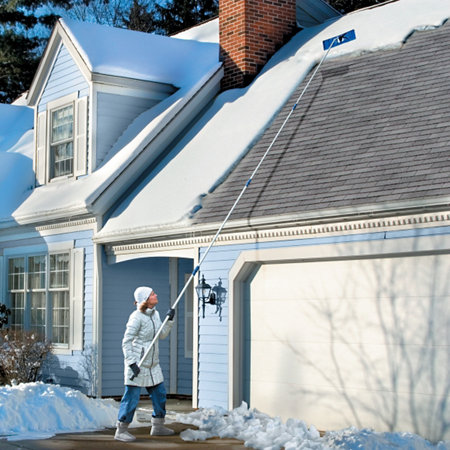
If you have a smaller, one story home and want to try to remove some of the snow yourself, a good option is a snow rake. These are long-handled specialized rakes that are used to drag the snow off of your roof while you remain safely on the ground.

roof-rake

If using a roof rake, it is important to keep in mind where the snow will be landing. You don’t want to have it land on top of you or someone else nor do you want to pile it up in front of windows and doors where it can obstruct entry or light.

If your roof is not up to code and able to handle the weight of heavy snowfall, you will want to get the roof replaced as soon as possible. Likely after the winter season is over to ensure the safety of your home and family for winters to come.

The Best Places to Mount an Outdoor Security Camera

In today’s world, home security is more important than ever. Gone are the days of leaving doors unlocked, windows open, and car keys in the car.

Home surveillance has now become essential for every homeowner who wants to feel that their home and family are safe and protected from intrusion. Installing outdoor home security cameras help to ensure that your family is safe and protected.

boston-security-camera-1

The mere presence of a camera is often enough to deter the average intruder from trying to enter your home. The cost of installing an outdoor security camera system is money well spent as it provides exceptional security to your home.

Establishing the Best Places to Mount and Outdoor Security Camera

Establishing what you would like to observe with your outdoor security camera is the first step in determining where the best place to mount the camera is. Unfortunately, it is difficult to cover the entire exterior of your home with just a few cameras, so strategic placement is vital.

A single camera cannot do and see everything at once. If you want to a clear picture of an intruder outside your home, you will need access to several camera angles to get full coverage of the intruder.

Common Security Camera Needs

  • Monitor suspicious activities that may occur outside the home
  • Watch garages, barns or sheds
  • Determine what kinds of animals are entering your yard
  • Monitor vehicles parked in the driveway
  • Ability to see who is at your door to determine whether you should open it

Each home will have different needs, so it is important to consider where on your property you feel most vulnerable. Do you have a garage full of valuable tools and equipment? Has there been a string of auto break ins or thefts in your area? Are you having issues with animals eating your plants or getting into your garbage?

Considering and answering these questions will help you determine your outdoor security needs and in turn, where to place them for maximum efficiency.

Considerations

There are several things to consider before installing outdoor security cameras to your property, starting with the fact that you will likely need more than one camera to be able to effectively protect your home and property.

It is a misconception that installing your cameras up as high as possible is the best way to capture an intruder on-camera. Having your cameras up high allows for a wider range, but your image quality will suffer. That being said, you want to aim to keep the cameras out of human reach, but close to the area that you want to narrow in on.

Always choose outdoor cameras with the widest range possible to give you the best coverage. A camera that has a wide range can see intruders approaching at different angles as opposed to a limited range camera where the intruder would need to virtually walk right in front of it in order to get a clear picture of him or her.

Where is the Best Place to Mount an Outdoor Security Camera?

There is no one size fits all answer to this question. As we outlined above, camera placement is highly individual and depend on you and your home’s specific security needs.

For maximum security, consider the having coverage over the following areas:

Doors

Most intruders start with either the front or back door to try to gain entry into your home. If you’re only planning to purchase a single camera to secure your door, you should absolutely start by protecting this area. Making sure that you have security cameras covering your main entrances to your home is vital for your home’s security.

Driveway or Parking area

Having a camera installed with a clear view of your driveway or area where your vehicles are parked will help to protect them from vandals. Unsecured garages are also high-value targets for burglars. If you need visibility over a wide area and don’t want to invest in several cameras to cover all possible angles, consider a pan-tilt-zoon (PTZ) camera for the added versatility. Thanks to its ability to rotate to point the lens just about anywhere with ease, you don’t need to worry about blind spots.

Windows

Large windows, windows that don’t face the street, and hidden windows are most susceptible to break ins. For this reason, it is wise to install cameras that are directed towards these windows.

Doorbell

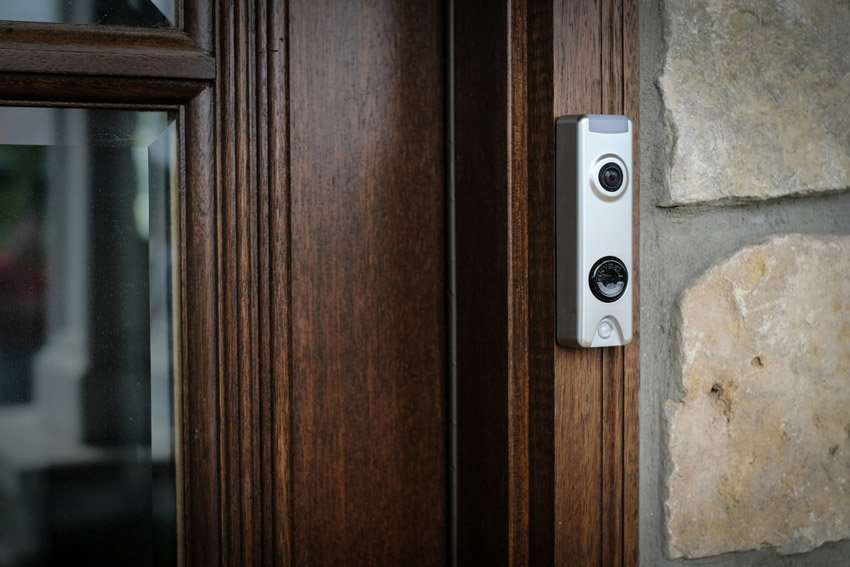
Another security camera option is a video doorbell that allows you see who is at your door regardless of whether you’re home or away. Many doorbell cameras even have night vision technology and a wide view that allows you to see your entire entrance.

skybellapplicationcompress1

When it comes to the safety and security of your home and loved ones, it is important that you take every precaution necessary to protect yourself.

Outdoor security cameras, used in conjunction with other home security measures like a monitored alarm system, can help to deter intruders and assist law enforcement in an investigation.

Which Smart Lock Is Better: Yale T1L Vs. August Smart Lock Pro

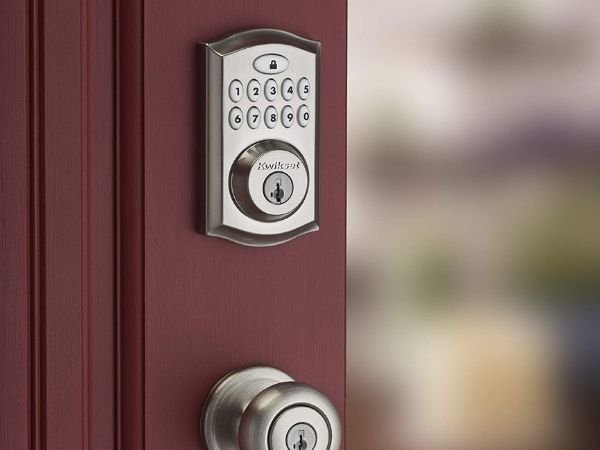
One of the most innovative and affordable new technologies on the home security market right now is smart locks. Smart locks replace or fit over the deadbolt on your door and do away with fumbling for your keys (or losing them). All you need to do is enter a keycode or present your smartphone, and the lock opens.

Let’s look at two of the best smart locks on the market and explore which one is better for your home and security needs.

The Yale Real Living T1L Lock

Yale is a brand name that’s almost synonymous with home security, so it’s no surprise that it has entered the smart lock market.

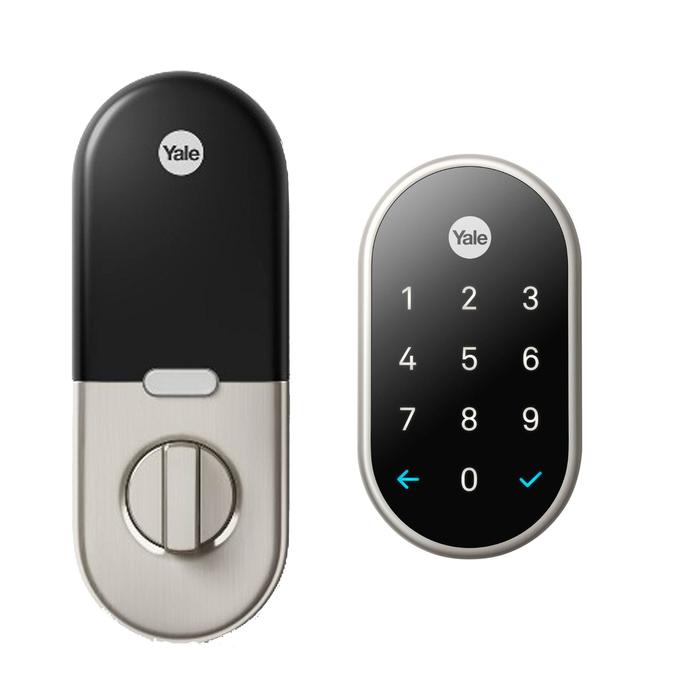
The Yale Real Living T1L Lock is a keypad that replaces your deadbolt on both sides. It’s the smallest residential keypad on the market, and it comes in three distinct finishes: satin nickel, oil-rubbed bronze, and polished brass.

The latch is tapered—this is a more important feature than you realize. Some smart locks on the market with non-tapered latches have earned bad reviews because the locks don’t fit well into the strike plate (the receiving end on the doorframe), leading to the lock failing to close at all. A tapered latch lets the lock slide into the strike plate, thus avoiding damage and ensuring that the door will close under any circumstance.

If you’re worried about external factors (such as weather damage) messing with the lock’s internal mechanics, Yale has a solution for that. A rubber gasket around the base of both plates makes sure that the insides are fully secured. No need to worry about rain damage or a liquid spill shorting out your smart lock and making your home inaccessible.

Yale_20Smart_20Lock_fe703d22df6198d674e9d941da7021b3

Installing the Yale T1L is pretty simple and takes just under half an hour. The box comes with illustrated instructions, and the lock itself even provides audio prompts. Once the lock is fitted in the deadbolt slot, you need to program the lock. It’ll prompt you to enter a master code, and you can then enter up to twenty-five user codes to permit entry.

Entry and exit with the T1L are controlled by your keycodes—there’s no need to mess with a physical key. When people come over or check on your house while you’re away, you can just give them a keycode rather than hiding keys under the mat and worrying about lost keys.

yale-assure-smartphone-app

The lock’s interface is simple enough to use: The keypad lights up when you give it a tap, and then you enter the keycode to lock or unlock the door. The lock also has a handy one-touch lock; just close the door and tap the inside screen, and the door locks easily.

If you’re worried about the batteries running out unexpectedly, you can rest easy. The T1L comes with four AA batteries that last approximately a year and will give you a noticeable warning when they’re running low.

yale touchscreendeadbolt compress4

Yale offers another solution if you’re desperate: If you touch a 9-volt battery to the contacts on the underside, that’ll power the T1L long enough for you to enter your keycode and get inside. If you’re going out the door, it’s even simpler: The lock features a thumb-turn knob for manual opening.

For people who want to integrate the T1L with smart home technology, the lock is compatible with Z-Wave. A smart home hub like the Samsung SmartThings or the Logitech Harmony will let you take advantage of a few more features, including remotely locking or unlocking the T1L. And that just scratches the surface of its features: It can also integrate with other Z-Wave smart devices you’ve installed.

yale-assure-smartphone-app (1)

You can set the lights to turn on when the door is unlocked or set your security cameras to record a 30-second clip when you lock your door. You can even set a lock schedule for when you’re sleeping or going to work or set auto-unlock for when your phone comes in range of the lock.

The main downside of the T1L is that it doesn’t integrate with any other network besides Z-Wave. It has no Bluetooth connectivity, no smartphone app, and no integration with the Amazon Echo or Google Home. If you’ve got a Z-Wave home hub, then you’re in business; if not, then the keypads will be the extent of the lock’s features for you.

Another smaller downside of the Yale T1L is that programming the keycodes is not intuitive. Programming the T1L requires you to work with the lock directly, and it’s honestly a tedious exercise. This downside only applies to the setup process, of course.

The T1L is an incredibly intelligent and feature-packed smart lock that’s perfect for houses with a Z-Wave smart home hub so the T1L can seamlessly introduce utterly futuristic conveniences to your home. However, if you’re not willing to set up the Z-Wave system or if you use other smart home systems, then the T1L may not be for you.

The Chunky Aluminum Knob: August Smart Lock Pro

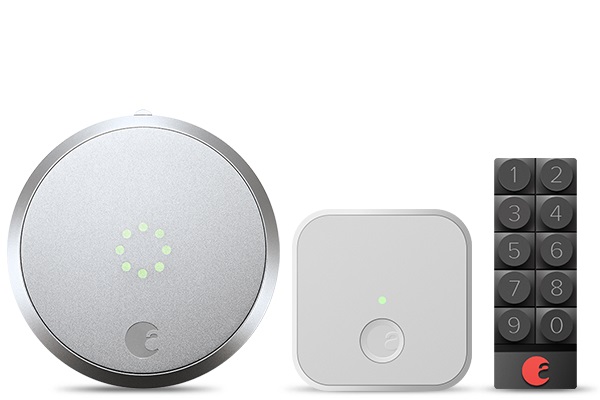
The August Smart Lock Pro replaces the inside portion of a single-cylinder deadbolt, leaving the outside of the lock the same, meaning your keys still work on the deadbolt. This leaves the outside lock vulnerable to lockpicking, but the Smart Lock Pro has other features to combat that.

smart-lock-side-angle

Installation is simple: All the required parts come with the box, and the only other thing you’ll need is your Philips screwdriver. Simply unmount the inside half of your deadbolt, screw in the mounting plate, attach the Smart Lock Pro’s shiny aluminum knob, and you’re done.

Once the lock is installed, you can select your settings on the August app on your phone, and you can even have the app guide you through the installation process.

The Smart Lock Pro has several features to make your life that much easier. Automation lets you adjust when the lock engages; you can set it to auto-unlock when you’re within 200 feet of the door so it’s open when you get there. The Smart Lock Pro will also alert you if the door is locked or unlocked, so if you accidentally leave the door ajar, it’s going to let you know!

august-smart-lock

When friends or family come to visit, the app lets you provide them with virtual keys. Just send these virtual keys to them, and the Smart Lock Pro can detect which phones have permission to enter and let them in.

The Smart Lock Pro has an advantage over the Yale T1L in integration with smart home devices. It can link to Bluetooth, Apple HomeKit, and Z-Wave Plus, as well as its own August ecosystem. If you integrate it well with other smart devices, you can live in a highly automated smart home tailored to your day-to-day needs.

august-smart-lock-app

The August Smart Lock Pro is powered by four AA batteries that run out of juice in about a year’s time. You’ll be notified when the batteries run low, and if the batteries do run dry, you can still open the door with a key, so you’ll never be left out in the cold.

There is one potential downside to the August Smart Lock Pro: The lock cylinder is still present, which means the lock may be vulnerable to lockpicking. You’ll be able to see the lock was opened when you check in, but that won’t stop a prospective burglar.

august-smart-lock-on-door

This also means that you’ll still have a key to worry about, and should some enterprising thief manage to get ahold of your key, the Smart Lock Pro won’t stop them from entering your home. That being said, many people might not consider this a downside because the lock cylinder allows a fail-safe to the smart lock mechanism.

Should You Buy the Yale T1L or the August Smart Lock Pro?

Both locks provide excellent service in securing your home. While the Yale T1L has a beautiful simplicity, it’s not as user-friendly or as innovative as the August Smart Lock Pro.

And while the Smart Lock Pro is an easily integrated upgrade for anyone looking for an extra layer of security and convenience, its lock cylinder doesn’t provide quite the same level of security as the T1L.

yale-t1l-vs-august-smart-lock

If you value tight security and you’re happy to set up the Z-Wave system, the T1L is perfect for you. But if you’re looking for a simple and easy smart lock that you can use in addition to a trusty set of keys, then the Smart Lock Pro is for you. Your choice should be based on what you value for your home.

X

GET FREE QUOTE

What are you protecting?*

Step 1 of 4

Is your property currently monitored?*

Step 2 of 4

What size is your property?

Step 3 of 4

Who is this personalized quote for?*

By clicking this button, you consent for Alarm New England to use automated technology to contact you at the number provided. This consent is not required to make a purchase from us.

Step 4 of 4