[Best Tips 2025] Winter Home Maintenance Checklist

With winter on its way, now is the time to prepare your home. The season brings with it cold winds, below zero temperatures, and snow.

The United States, and other parts of the world, are experiencing more extreme weather conditions due to climate change. Over the last decade, even areas in our southern regions which do not typically get extreme cold or the threat of snow have dipped into the single digits.

While other cities have recorded colder than ever temperatures, one evening Chicago was colder than the South Pole.

We’re all guilty of neglecting important home maintenance tasks, failing to prepare your home for winter can be costly.

This simple home maintenance checklist will help you easily ready your house before winter hits.

Interior

Check and service your fireplace or chimney

Ridding your chimney of soot and debris is an easy DIY job and will save you having to pay for a cleaning service. However, if there is a buildup of creosote present, you’ll need a licensed contractor to remove it.

Run the tip of a fireplace poker along the interior of the chimney wall. If you find a thick, shiny, tar-like buildup it’s best to call a professional. At least once a year a regular, wood or coal burning fireplace should be serviced.

fireplace-chimney

Once the fireplace is cleaned, consider installing a fireplace plug (also called chimney pillow). This inflatable device prevents cold air entering the house and heat from escaping. One homeowner in Marylandsaved around 13% on consumption costs after using a fireplace plug to block heat loss.

Reverse the ceiling fans

By changing the direction that the blades spin, hot air is forced downwards, keeping the heat in the bottom half of the house. By reversing the motor and running the fan on low-speed during the winter, you can achieve more noticeable warmth.

ceiling-fan-bedroom

According to Apartment Therapy, adjusting your thermostat and running the fan as above can save close to 10% on heating costs.

Most modern ceiling fans have a remote control where the direction can be adjusted, or you can locate the exterior switch located on the fan motor to manually change it.

Check and replace batteries of detectors and alarms

An annual average of45,900 heating-related fires occurred between in the U.S. between 2013 and 2015. And heating was the second largest contributor to fires in residential buildings.

With the temperatures dipping, it will put your mind at ease knowing that the detectors and alarms are all in good working condition.

It is also crucial to ensure your fire and carbon monoxide monitoring systems are working. If a fire breaks out, or there is a gas leak, the detection systems need to be functioning correctly in order to notice it immediately. Take the time to conduct a test on each alarm or detector and replace the batteries before winter.

Prevent pipes from freezing

Water has the unique property of expanding as it freezes. This can cause the pipes the water is contained in to burst. Whether the pipe is plastic or metal, it can easily break from this expansion.

frozen-pipes

Pipes most at risk are ones that are exposed to the severe cold, like those that run along the exterior of the house or in the pool. Pipes inside the house are at risk too, especially those in unheated areas like the basement or attic. According to the Insurance Institute for Business and Home Safety, burst pipes because of freezing can result in damages that can cost a homeowner well over $5000.

But it’s easy to prevent.

Pipe insulation is cheap and effective. Insulate all pipes that are exposed to the cold weather, including those in the garage and basements.

Consider heating cables or tape as another long-term solution.

Faucets and pipes located outside of the house need to be drained completely and turned off. If pipes do not have a shut-off valve, you will need to leave the cold water tap dripping to prevent water from freezing.

Even a soft flow of water is enough to keep the pipes from freezing completely. Hose pipes should be drained and stored away.

Insulate the hot water tank and heaters

In winter, the hot water in a tank can cool quickly, which makes the boiler work more frequently to heat it up again. Wrap an insulation blanket around your water heater to reduce electricity consumption.

Also, proper maintenance one your water heater will ensure that it is functioning efficiently, and extend its life. It’s recommended to drain a water heater once a year. You could also program the hot water tank to only run during peak usage times rather than the entire day.

Seal off openings with caulking and weather-stripping

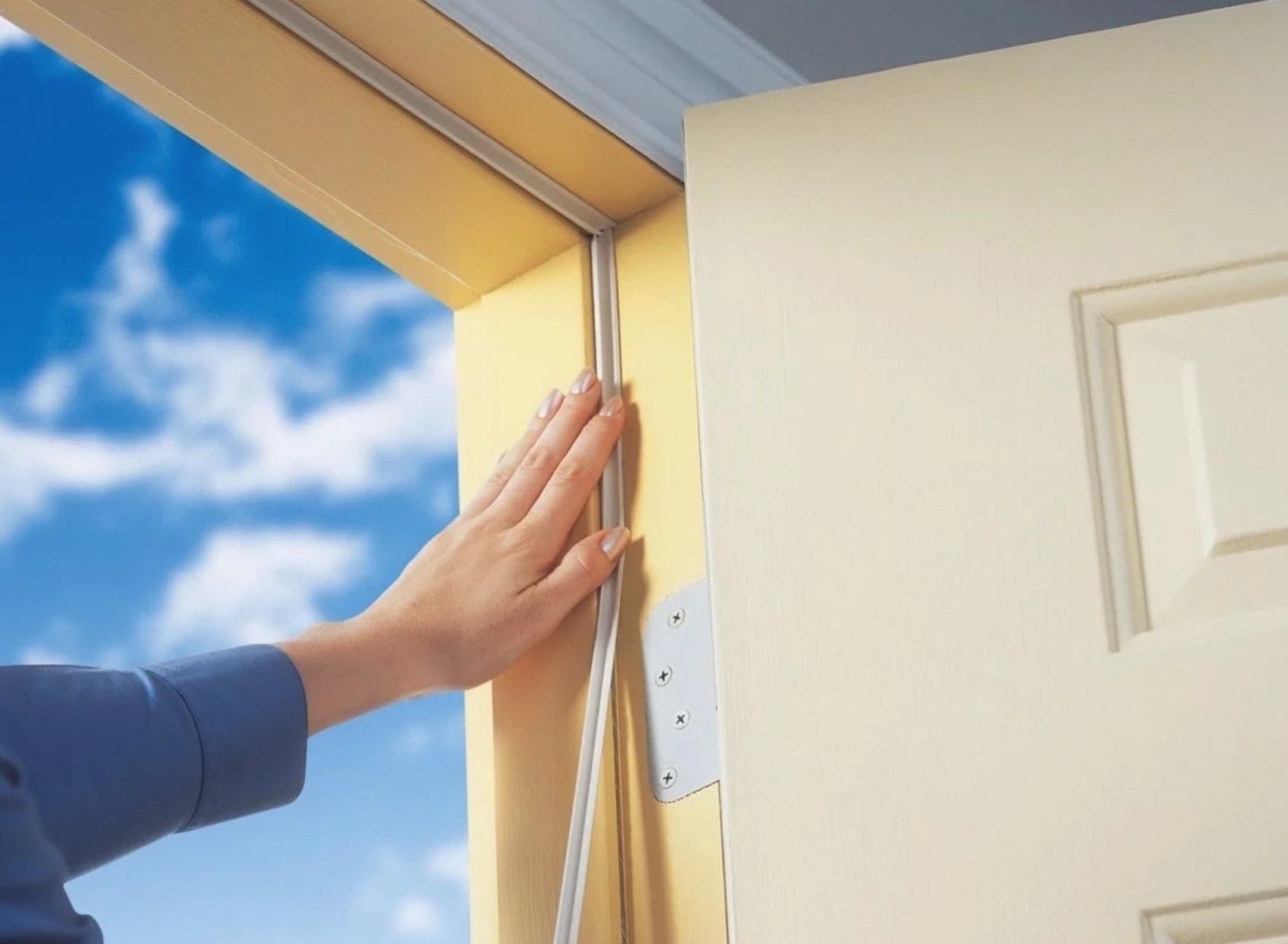
Doors are typically undercut to allow air flow to circulate into and out of the rooms. Some windows are also designed to conduct some air between them. When winter comes, and the cold, wet wind is blowing, it is wise to seal all these openings up.

weather-stripping-door

Check the condition and presence of caulking on all windows and replace or install where necessary. Use waterproof caulk around windows, doors and joints to prevent rain or snow from seeping in.

The Department of Energy estimates an average home can save 20 percent on heating costs by weather-stripping all doors and openings effectively. Weather-stripping comes in different materials and grades, so pick one that bests suits your needs.

Sump pump maintenance

A sump pump keeps the foundation of your home dry by preventing water build up or flooding. It has an effective lifespan of 10 years with regular maintenance. Having a working sump pump in winter is essential.

Remove debris from the basin and conduct a manual test to see that the pump is functioning normally. Be sure to insulate the discharge hose and install a backup battery to prepare for power outages.

Cover or remove the air-conditioning unit

If you have an air conditioning unit that sits in your window , it is likely to channel cold air through it during winter. It is recommended to remove these in the cold weather season and seal up the opening.

If you have a permanent, central AC unit that sits outside the house, consider placing a wooden board on top of it, held down with bricks. This will prevent snow or other debris from collapsing onto it.

Prepare the humidifier

Make sure the drain line is clean for a whole-house humidifier. Replace the media panel if necessary, this is responsible for mixing water and hot air from the furnace together. It is typical to drain the humidifier more than once during the winter months.

Exterior

Assess the roof for leaks and check ventilation

“Ice dams” occur when snow accumulates on the roof because of trapped ice. The weight can cause the roof to collapse.

To prevent ice dams, ensure the temperature of the roof is the same as the eaves. Consider installing an ice and water shield, which acts as a barrier and helps prevent moisture seeping into the house. Install roof vents and insulate the attic.

Stock up on ice melting compounds

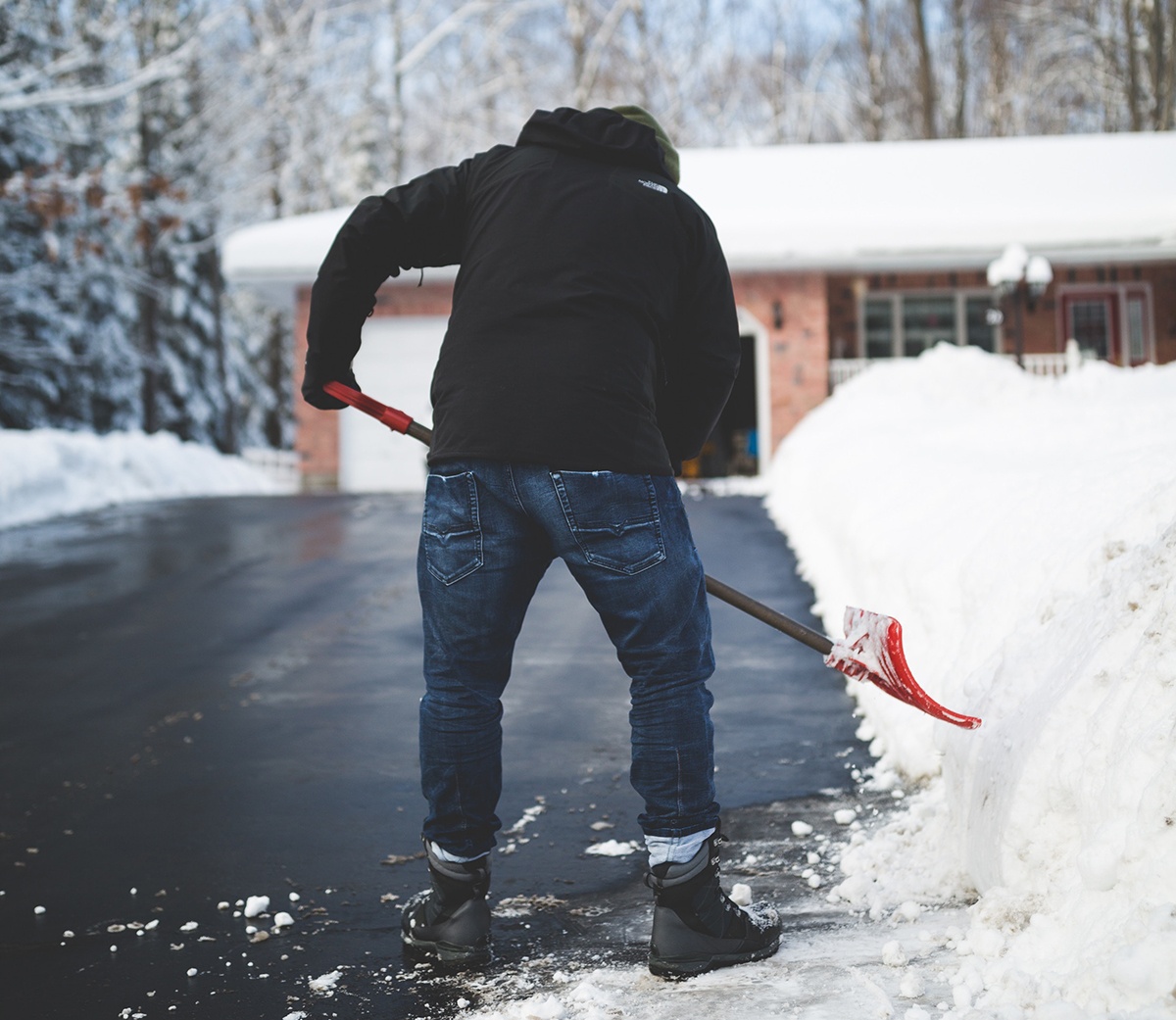
Purchase salt, ice melt or sand for clearing snowfall from the sidewalks and driveway. This will also make shoveling easier. It is recommended to treat your driveway or walkway before winter hits and keep shoveling throughout the season to keep snow buildup to a minimum.

snow-shoveling-tips

Trim trees and remove leaves in the garden

Snow weighs a lot and coupled with wind may easily break off old branches or cause thinner ones to snap. Consider trimming tree branches and crowns that circle close to the house and driveway.

Plants often go dormant in winter, so pruning them will actuallybenefit their ability to withstand the season.

Give the lawn a good rake to remove old, fallen leaves from the previous season. With snow falling shortly, patches of uncollected leaves can cause the grass to blacken and even make walking in the snow unpredictable.

Clear gutters

Gutters are designed to channel water off the roof and away from the home. If your gutter system is damaged, clogged or incorrectly installed, it is likely to be ineffective and result in damage to your property.

Water accumulating on the roof can lead to a ceiling collapse, while water leaking out of a cracked or clogged gutter may result in stains or foundation erosion.

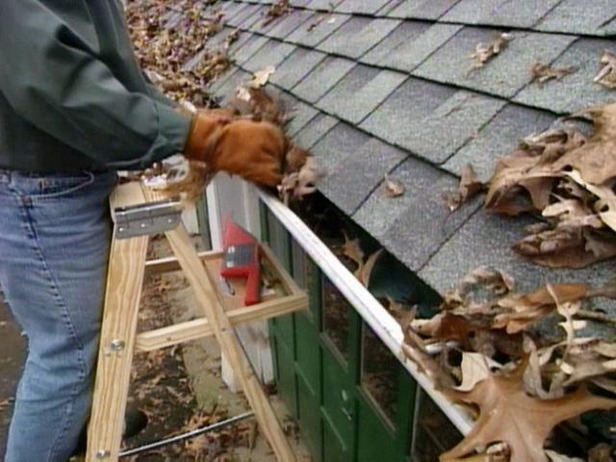
A simple inspection and cleaning of the gutters will do can prevent these types of problems. Use a ladder to check the troughs for leaves and debris. Remove anything that may have accumulated over the fall.

Cleaning_Gutters

To check for cracks or leaks, take a hose and run water along the channel to identify any issues. You may want to consider hiring a professional gutter cleaner if the property is large, or the gutters are difficult to reach.

Gutter guards can also keep your water channels free of debris, forming a protective barrier over the top.

Inspect railings and steps (and protect entryways)

To be safe during the winter months, ensure all steps and handrails leading to the house are secure.

Make sure the tiles and paving on the steps is fastened and safe to tread on too.

Protect your entryways by placing a mat on both the inside and outside of the door. Ice and mud can quickly build up and become a hazard. Consider placing a boot tray near the door.

Additional home winter tips

  • Stock up on a survival kit and supplies
  • Consider purchasing a generator if you live in an area prone to power outages
  • Take out and inspect your shovels and snow blowers
  • Inspect outdoor lighting
  • Use rugs inside rooms for trapping heat and to keep your home warmer
  • Clear window weep holes of debris
  • Stock up on enough fuel for your motors and appliances
  • Maintain an average room temperature of no less than 55 degrees to keep the inside of the walls and pipes warm
  • Leave doors of unoccupied rooms open for even flow of heat
  • Protect outdoor furniture or consider storing them inside
  • Know how to shut off the water supply and where your pipes are located
  • Ditch the gas space heater for an electric one
  • Have a list of phone numbers for emergencies and repairs

Be ready this winter

Adequate preparation can save you from costly damage and frustration that can occur during the extreme weather of the winter months. Stay warm and be safe during the winter.

Motion Sensors vs. Window Sensors: What’s the Difference?

When installing your security system, should you invest in a motion sensor or a window sensor? In many situations you should consider both, but that doesn’t mean you might not have specific areas that have a unique requirement.

Most security systems include two pieces of equipment designed for intrusion detection: motion sensors and window sensors.

It’s not immediately clear what the difference is between these two devices, so here’s a quick guide to explain:

  • How motion detectors and window contacts work
  • The advantages and disadvantages of both

Motion Sensors

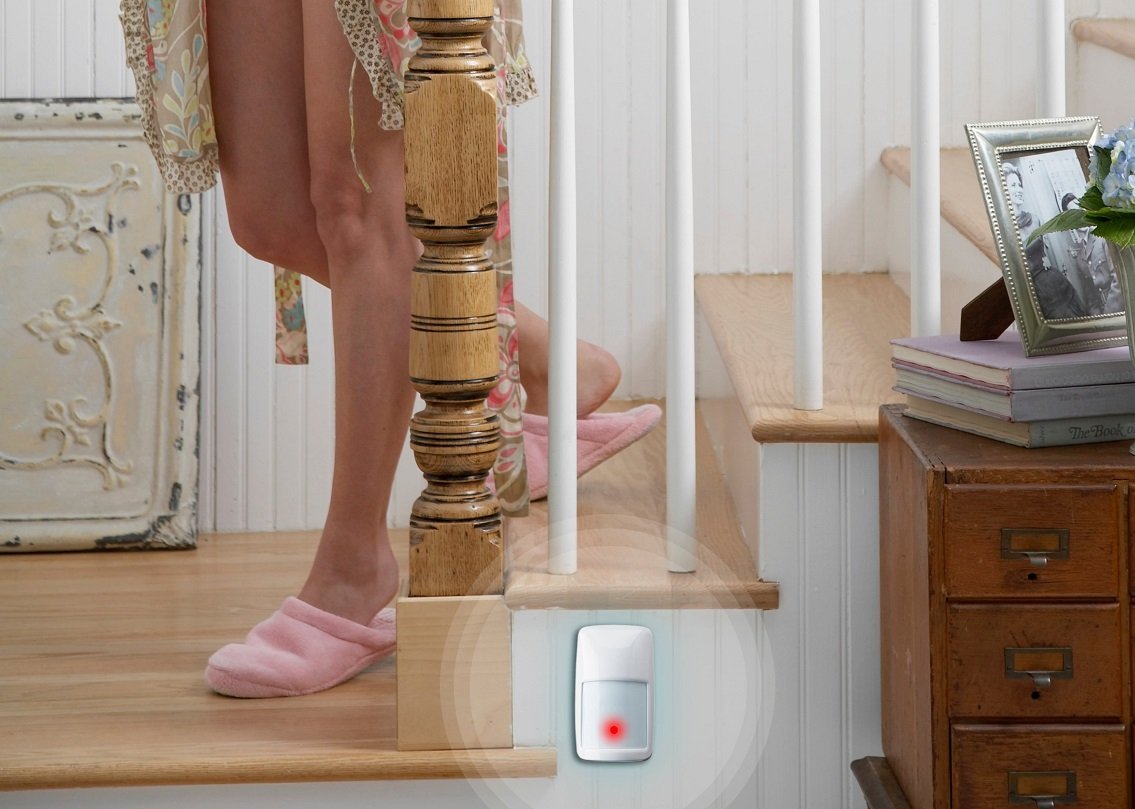
Motion sensors are built to detect when someone is moving around in your residence. Primarily, a motion sensor works by sensing movement and body heat when a person passes near it or walks through the range of its radar.

motion sensors as part of your home security system

These days, most motion sensors are small in size and wireless. That means that you can easily install them anywhere in your home without distracting from your decor or having contractors drill holes in your walls to run wire everywhere.

Motion sensors use a number of technologies to determine whether someone is currently in motion inside of your home. At its most basic, a motion detector is simply going to compare the previous status of a room to its current status. So when developing your home security plan it is critical to understand the strengths and weaknesses of motion sensors and how that factors into your home security.

Below are some of the pros and cons of motion detectors:

Pros:

  • A single motion sensor can cover a wide radius (typically an entire room), so it doesn’t matter how the intruder enters the house. Once he passes within the range of the sensor’s infra-red beam, he’s immediately detected.
  • Motion sensors are proven to be effective at leading to apprehensions. With the aid of motion sensors, police are much better able to capture burglars red-handed inside residences.
  • Most motion sensors come wireless and can be installed in a variety of locations with relative ease.
  • Motion sensors can be more cost-effective for rooms with many windows that would require several sensors to protect.
  • A motion detector can alert you immediately if there is movement is detected.

Cons:

  • Motion sensors are only triggered when an intruder crosses their sensor range. If not set up correctly, the motion sensor may have blind spots.
  • When a motion sensor is set up incorrectly or uses low-quality parts, there’s a higher risk of false alarms. So they often have the highest number of false positives, which can be frustrating and lead to reduced sensitivity to potential threats.
  • Some motion sensors only detect motion at certain intervals. So because it does this at intervals, it can sometimes miss things.
  • Pets in general make motion sensors a liability. Even pet-immune motion sensors aren’t totally pet immune. Cats are especially known to climb onto raised furniture, appearing to the sensor to be much larger than they really are.

What are window sensors?

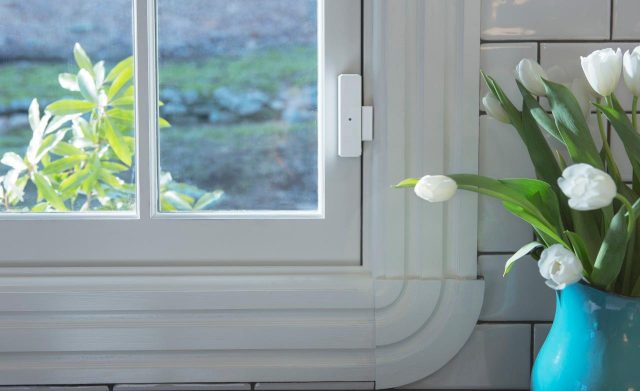
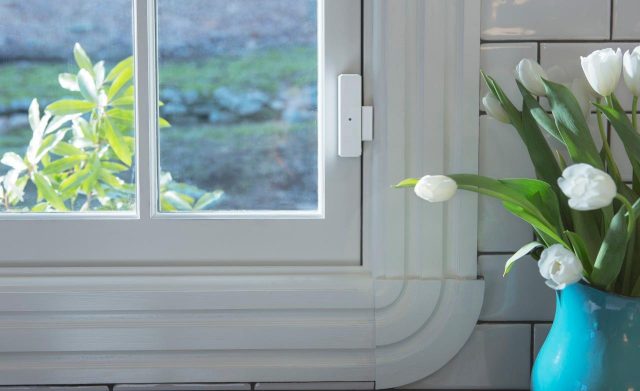
Window sensors are for protecting windows from unauthorized entry. With the aid of a circuit between a magnet and a sensor, they detect when windows are opened (but not broken, as that is best handled by a glassbreak detector).

window sensors to secure your perimeter against intruders

Windows can be an area of your home that presents the greatest risk. Often locking doors is top of mind but securing windows can be tedious and be forgotten and a necessary precaution.

Protecting your windows is essential because intruders tend to try windows next after testing the strength of your doors.

Pros:

  • Window sensors function with high levels of accuracy, provided they are correctly installed, meaning fewer cases of false alarms.
  • Window sensors are cheaper on a per-part basis.
  • When used with other types of home security, window alarm sensors provide an essential piece of securing your homes perimeter.

Cons:

  • A secured window has to be opened before the alarm can be activated. It will not activate if a burglar smashes through the window or gains entry through another means.
  • Securing each and every window with a window sensor can be costly for larger houses.
  • Loud sounds or someone slamming a door can set off a window alarm with a false alarm.

When should I use motion detectors?

Motion sensors are excellent at detecting when an intruder is already inside the house. They should be placed in parts of the house that an intruder would have to pass through to get to other parts of your house, especially in areas where there are no movements such as a whirring fan or rustling curtains. Due to their sensitivity, they need to be placed in carefully designated locations to prevent false alarms.

If there are pets in the house, it is better to get motion sensors that are adequately calibrated for pets, so their movements won’t set it off. Bedrooms, living rooms, lobbies, and hallways are apt locations to install motion sensors.

In home motion detectors

When is it more appropriate to use window sensors?

Window sensors discourage opportunistic burglars from gaining entry without resorting to smashing your windows, which can alert people in the vicinity to their presence. They are more fitting for houses where there is motion in the house when you’re not in it (e.g. pets or children).

Large dogs or cats of any size are a good enough reason to opt for window sensors, but they’re also ideal if you arm your system at night before going to bed. Family members will want to have the freedom to walk around the house at night without the risk of tripping any alarms.

Window sensors should be installed at every ground-floor window and any upper-floor windows in the house if there are adjacent trees or buildings that would grant them easy access.

If you’re only using window sensors, you should also add glassbreak detectors as well for added protection, as window sensors don’t go off when someone hurls a brick through the windowpane. For large windows or sliding glass doors, glassbreak sensors are a must-have.

Carefully consider the type of window you’re trying to protect so that your sensors that will best fit what you’re looking for.

Conclusion

As property crime rates continue to go up year-to-year, so will demand for new and improved ways to protect our homes. Home security devices are one of many things homeowners can do to improve their peace of mind.

As you build a comprehensive security system that is integrated into your home automation, you should use different types of sensors and detectors in different areas. Your hallways, bedrooms, and living rooms might have motion detectors installed, while your outer windows may have both contact sensors and glass breaking sensors installed.

To learn more about what you can do, check out the Ultimate Guide to Home Security.

9 Simple Ways to Burglar-Proof Your Backyard

When it comes to home security, most people are focused on protecting the inside of their home.

And that makes sense — protecting potential entry points and ensuring that if they are breached, you and the team monitoring your home are alerted.

According to the FBI, 2,000,000 home burglaries are reported every year in the United States, with home break-ins being the most common threat.

While you do need to make sure the inside of your home is protected, don’t forget about your backyard security. The backyard area, like barbeques, patio furniture, bikes, and even the gazebo, can be a prime target for thieves.

So it’s just as important to secure the exterior of your home because this is where a potential intruder will first interact with your property.

Here are nine ways you can help secure the exterior of your home.

Secure your outdoor belongings

Leaving tools lying around in the backyard (e.g. shovels, hammers, ladders, crowbars, etc.) offers an open invitation for burglars to use them to break into your home.

  • Put away tools either in a locked garage or a secured shed that is “pick-proof.”
  • Chairs or tables on patios should also be secured with chains or padlocks to prevent anyone from easily moving them around and using them to help gain entry.
  • Secure ladders. If you keep ladders out, be sure to chain or padlock them. A ladder can be used to gain entry to second story windows. If at all possible, store the ladders in a shed or garage.

As you assess your backyard security look at items that can be used by a potential intruder to use to break into your property. Also, if you have tools and other belongings you start to tell a burglar that the home could be an easy target.

Don’t give a thief any reason or tools to use to break into your home.

Use strong fences

Fences are good for ensuring privacy and work well to keep intruders and burglars out of your property. However fences are not all the same in terms of protecting you.

secure your backyard with a good fence.

A tall fence makes it difficult for outsiders to see what’s in your property, but it could also provide a good hiding spot for those that find their way onto your property. Wrought iron fencing is advisable because it is effective, aesthetically pleasing and also provides visibility into the yard.

Motion-sensing lights

Motion-sensor lighting is an effective way to alert you if there is movement around your home. It can be an effective deterrent to an intruder, however, it’s also important to think about where you place them.

outdoor security includes good outdoor lighting

An overactive motion-light can be an annoyance to you and your neighbors if it is constantly being triggered by pets or routine visitors that are not a danger to your home. Motion-sensing lights should also be installed in such a way that they don’t face the house so that the lights will illuminate what’s outside rather than what’s going on inside.

If your backyard is large, you may want to consider installing multiple lights around the perimeter. The objective of outdoor lighting is to limit blind spots and provide you with total coverage.

Plant flowers with thorns

It may sound simple, but thorny plants and flowers around key entry points can be a good strategy for deterring intruders. Holly bushes are a good example of a potential perimeter plant because they are both thorny and attractive. Key positioning might include planting them underneath windows and near the fences.

Alarm systems and security cameras

Alarm systems are a proven way to help deter intruders and even stop a break-in that is underway. The degree of sophistication of the alarm system and how quickly the monitoring stations can alert appropriate authorities will influence the effectiveness of the alarm.

honeywell-lyric-security-system to manage your home security

Security cameras can be a key component of your alarm system, helping to deter a burglary and also help homeowners see what’s happening in real-time outside their home. Cameras also provide a way to record a crime that has taken place, potentially helping law enforcement to identify the intruder.

Also consider adding a motion detector to your outdoor home security system. An outdoor motion sensor alarm is a device that uses optical, microwave, or acoustic sensor technologies to detect motion around your home or workspace; and to let you know that there is a physical security event that shouldn’t be happening. Motion sensors are also sometimes known as motion detectors.

honeywell-cameras

Security stickers and yard signs

When on a low budget, it may be difficult to get advanced home security systems like alarms and security cameras. If that is the case, security yard signs and stickers are helpful and affordable. Such signs can be displayed in easily visible areas like the fence, windows, yard gates and front door.

outdoor security signs and stickers warns potential burglars

Security yard signs and stickers may discourage burglars and intruders from your property but it may not stop them should they decide to follow through on their plan.

Landscaping

Burglars want privacy. Overgrown trees and bushes provide cover from neighbors. Keeping your yard trimmed and creating a more open space can be a helpful part of an overall security plan.

If you prefer to have a few bushes, around your house, make sure they’re the pointy kind that burglars can’t hide in.

the right outdoor landscaping is critical to securing your home

Hide valuables that are in your backyard

Expensive grills, lawn mowers, or outdoor entertainment systems can be enticing to thieves. Taking the time to put equipment away, cover grills and secure outdoor furniture gives an intruder a clear message that you are taking precautions to protect your property.

Get a dog

Dogs are effective in keeping burglars and intruders off your property, even when they’re not one of the more aggressive or resilient breeds.

The sound of dogs barking or growling tends to send a “keep clear/area off-limits” message. Besides, a “Beware of Dogs” sign on your gate or fence also deters burglars and intruders from wandering carelessly or intentionally into your yard.

Your backyard can be a vulnerable place. Keep your property and your home safe by following these few simple tips and suggestions.

Looking for more ways on how to secure your home? Talk to us about how we can help you protect your home and keep your family safe.

Home Alarm Monitoring Saves Home From Catastrophic Fire

Bristol, CT – Alarm New England’s UL-Approved central station saved a home from fiery destruction last week.

At 8:31 PM on Wednesday, April 19th, one of our operators, Taylor, received a fire alarm signal in our Rocky Hill, CT central alarm monitoring station.

Her immediate action saved a family’s home from destruction as they were not there to hear the fire alarm going off. Local alarm monitoring companies like us save hundreds of homes per year doing this.

Further Reading: Why Local Alarm Companies Beat the Big Corporations

firefighters responding to home fire that could have been prevented with fire alarms and alarm monitoring

Once the fire alarm signal was received, Taylor first called the home to verify that the alarm was in fact real. When no one answered the phone, she immediately took action and called the fire department.

Responding authorities found that a log in the fireplace had caught on fire. The flue was not open and the smoke had caused the smoke alarm. There was smoke up the wall in the bedroom where the fireplace was located.

Luckily, no one was injured and the first responders were able to eliminate further threat for the family while they were not home.

When people think of smart security systems, they often think of intrusion protection. However, a Honeywell alarm panel can also protect your family and your home from the deadliest intruder of all – fire.

We recommend adding wireless smoke detectors to all systems so that our home alarm monitoring services can watch for fire whether you are there or not.

Further Reading: How Much Should Home Alarm Monitoring Services Cost?

You cannot rely on your neighbors or yourself to react quickly enough when there’s an emergency. They may not be home, and you need to focus on getting your family out of the house as fast as possible. Let us call those who can save you.

According to the National Fire Protection Association, 2,720, or 74 percent of all fire deaths, occurred in the home.

An estimated $25.6 billion in property damage occurred as a result of fire and $11.1 billion in property damage occurred in structure fires, including $8 billion in property loss in home fires.

Installing, maintaining and monitoring the right home security and fire monitoring systems is critical in preventing unnecessary loss.

Consult with a professional to protect your home and the ones you love.

Boston Space Savers: What Are They?

Winter in Boston brings with it buckets full of snow. The whole New England region is prone to extreme weather during this season. In 2018, the coldest temperatures ever recorded for the area hit during the first week of January.

Back in 2015, the city of Boston registered a staggering snowfall count of around 90 inches in just 30 days. How does this impact the residents and the area they live in?

Besides the usual closures and delays—like schools having to let the kids take a snow day, delayed flights and cabin fever—there are other pressing issues at hand. Rooftops can collapse under the weight of snow, dead trees can fall onto power lines, and an intense war over parking ensues.

The latter is an intensely contested issue in Boston, with residents fighting to claim their public street parking in a decades-old practice called “space saving.”

What are space savers?

Space saving is a tradition in Boston that follows after a snowstorm of residents reserving a cleared out public parking spot with a cone or marker to temporarily claim it.

If the city has declared a snow emergency and the snowstorm has passed, a parking spot may be reserved for up to 48 hours by an owner of a vehicle after they have shoveled and swept the snow away from that space.

digging-car-out-of-snow

Space savers are a necessity created by the high demand for and limited supply of parking spaces in the city, especially during the winter months. Residents need to shovel out their car and clear the space for easy entry and exit, but digging out an entire parking spot is a strenuous and time-consuming process. If not for space savers, another driver could take your freshly-shoveled space before you’re able to move your vehicle into it.

lawn-chair-space-saver(Source: Robin Lubbock/WBUR)

Nothing quite indicates winter in Boston like a beach chair placed in a parking space. Drive down any street in the neighborhood following a snowstorm and you’ll likely encounter the strangest placeholders. Anything from plastic chairs, rubbish bins, and ladders, to cutouts of Gronk and electric-wired barrels.

If you happen to park somewhere that contains a space saver, someone’s going to be upset. There have been reports of anything ranging from angry notes placed — or written in permanent marker — on the windshield, to actual damage. Keyed cars and slashed tires aren’t unheard of.

Space saving isn’t just a local tradition; other snowy states exhibit similar behavior. Chicago faces its own parking nightmare each winter when space savers fight over who parks where.

The City of Boston and the city’s current mayor, Martin J. Walsh, have provided additional clarity on space savers and when they’re allowed. On the Boston.gov website, they list helpful tips and guidelines regarding conduct during and after a snow emergency. The two most important two rules to remember are:

● You can only use a space saver when the city declares a snow emergency.

● You have 48 hours to use a space saver after the city ends an emergency. After that, you must remove it from the street.

A snow emergency is declared when the weather forecast predicts a heavy onset of snow and ice. During a snow emergency, all vehicles need to be removed from arterial streets to allow the Department of Public Works to clear the accumulation from the roadways. Vehicles that block or obstruct public streets that run along a primary route may be towed away.

The city’s website states: “We will ticket and tow your car if you park on a posted snow emergency artery during a declared snow emergency.” However, the city does offer parking alternatives and tries to assist those who need to move their vehicles when this occurs. “If you can’t find a spot, some lots and garages offer discounted parking to vehicles with Boston resident parking stickers,” the website adds.

If you suspect your vehicle has been towed away, search the towing database or call the Boston Police Tow Line at 617-343-4629.

After the snow emergency is no longer in effect, the public streets are once again accessible for general use and parking. Parking spots running along the side of the road will likely be covered in snow. Residents and car owners will need to shovel out a space for use.

snow-storm-car-parked

Following the snow emergency, the above-mentioned parties have the right to reserve this parking space for up to 48 hours. To claim your space, simply leave a cone or other distinguishable marker on a parking spot you have cleared out.

When the 48 hour period expires, the city has the right to remove any markers or cones. The right to continue space saving falls away, despite car owners and residents hotly contesting or defending their parking spot past the 48-hour limit. The city of Boston has a hotline available to report a person that violates this rule.

The practice of space saving is banned in Boston’s South End. This means no parking spots may be reserved or coned off regardless of who shoveled them and when. This social engineering experiment was petitioned for by the South End Forum and approved by the mayor back in 2015. Another Boston suburb, Jamaica Plain, is considering banning the practice, too.

How can you respond to space savers in your neighborhood?

If you happen to live in a city that is prone to snowstorms and where public parking is scarce, then you need to be aware of what ensues shortly thereafter. How can you get ready for space saving and the next snowstorm?

Read up on the regulations set up by the City of Boston, stay updated with the latest weather announcements, and be an active member in your community’s online forums and groups.

Education is key when trying to resolve space-saving conflicts. The City of Boston is ready to assist you should you encounter any issues, but it is best to update yourself on the law first.

Rather than immediately alerting authorities or calling a tow truck when you spot someone violating space saver laws, try to engage with the party at fault to see if you can reach an agreement. Will they move their car? Was the cone not visible enough? Who is in the wrong?

Here are some simple tips on how to save a parking space. Follow them to avoid breaking the law, annoying your neighbors, and worse, getting your car keyed or towed away.

  • You may only place something in the parking spot after a snowstorm has ended. As tempting as it may be to pre-emptively claim the space before it starts to snow, it is against the law and will just anger those around you.
  • If you remove your vehicle from a snow-covered parking spot without shoveling it first, then you cannot reserve the space. All-terrain type vehicles can easily maneuver over the snowy ground, but if you wish to keep this place, you will need to clear it of snow.
  • Avoid removing other people’s cones or placeholders. If you park in a space that has been cleared out and reserved, be prepared to face the consequences for doing so.
  • Although only a maximum of 48 hours is allocated following the storm to reserve the space, most people continue to hold it until the city removes it by force. So long as you are not the last one with a cone out, you’re fine.
  • Be respectful when clearing your space. Shovel the front and back neatly out and do not dump the snow in another space, but rather on the sidewalk or flattened out on the road.

For any further questions, complaints or for support services, contact the city of Boston on 311.

X

GET FREE QUOTE

What are you protecting?*

Step 1 of 4

Is your property currently monitored?*

Step 2 of 4

What size is your property?

Step 3 of 4

Who is this personalized quote for?*

By clicking this button, you consent for Alarm New England to use automated technology to contact you at the number provided. This consent is not required to make a purchase from us.

Step 4 of 4