Snow Shoveling: Tips & Tricks to Make the Job Easier

The days are getting shorter and the temperature is starting to drop, that means snow will soon be on its way. Shoveling snow is an unavoidable task that those of us living in snow-prone areas must contend with.

Snow shoveling is not only an inconvenience, it can also be hard on your your body — your back in particular. But with proper snow shoveling tips and techniques you can get the job done without putting too much strain on your body.

Choosing the Right Snow Shovel

An astonishing number of people are injured every year as the result of improper snow shoveling or overdoing it.

The number one contributing factor to snow shoveling injuries? Using a non-ergonomic shovel. Many shovels are poorly designed which leads to injury. Here are tips for finding the right shovel:

  • Keep the scoop size moderate. Instinctively, you may want to go for the shovel that has the largest bucket capacity. But it also means your body is lifting and tossing a heavier load which puts immense strain on your body. We recommend choosing a shovel with a bucket between 18-22 inches. snow-shovel
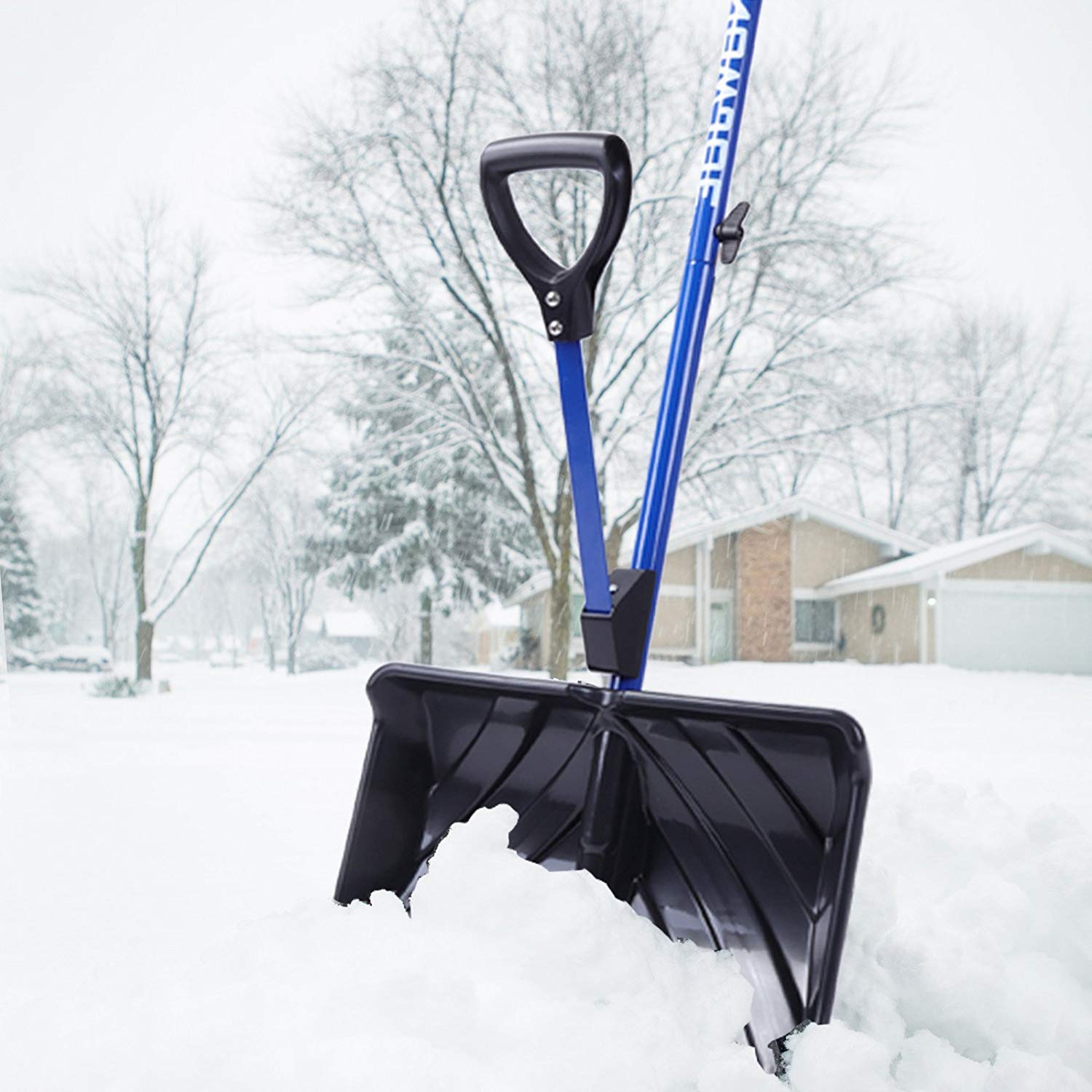
  • Choose a scoop material that works for you. Snow shovels are made from a few different materials. The main choices are: steel, plastic and aluminum. Each material comes with its advantages and disadvantages. For example, a steel shovel will be quite heavy in comparison to a plastic shovel but, will hold up better than plastic to driveway scraping.
  • The shaft material of the shovel is important as well. You want to choose a shaft that is study and doesn’t bend and twist when you use it. You may need to invest a bit more, but a fiberglass or resin handle is your best bet as they are lightweight and durable. snow-pusher
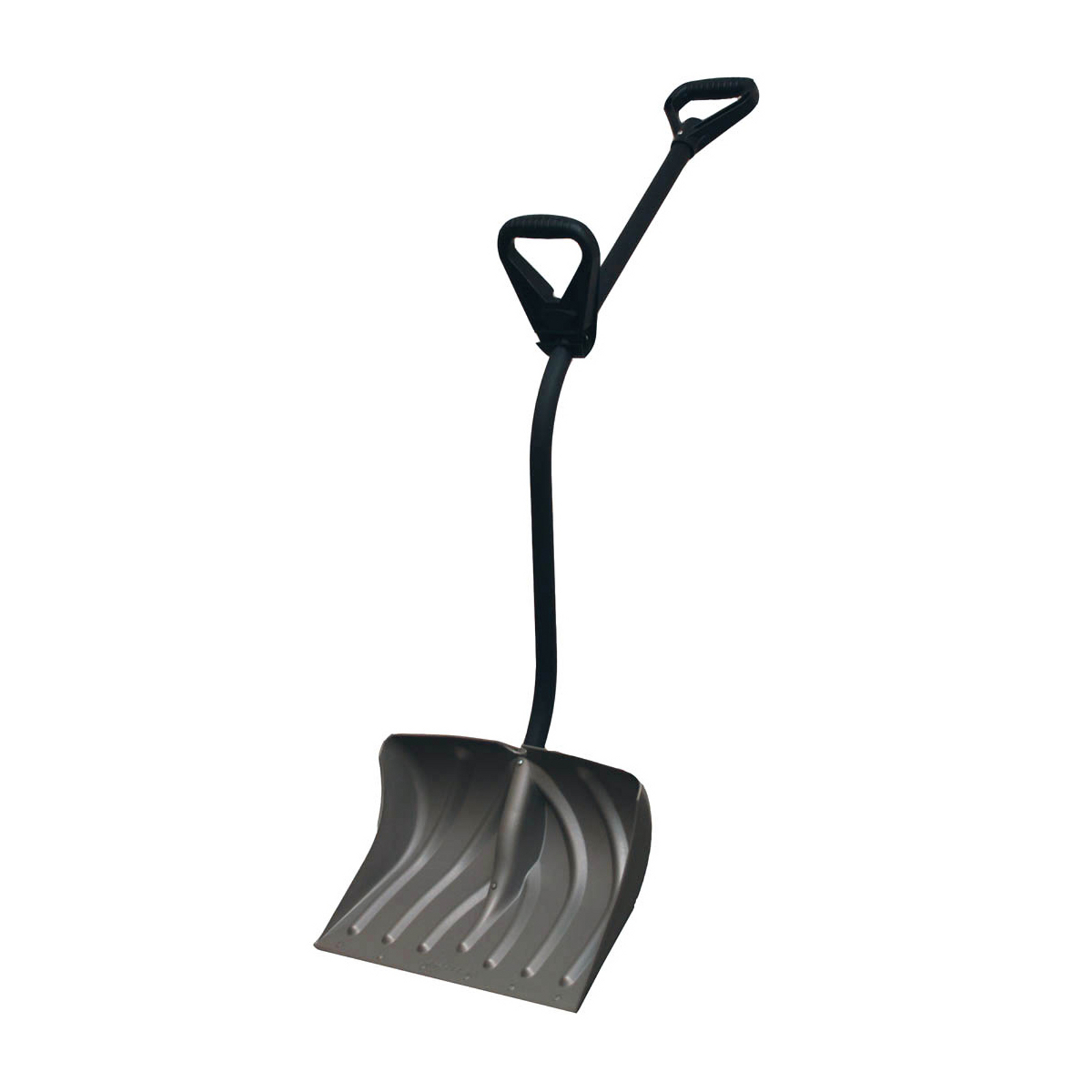
  • Pay attention to ergonomics. There is a big difference between an “ergonomically” designed snow shovel and a standard shovel. Many ergonomic shovels have a slightly curved shaft, while a traditional shovel will have a straight shaft.
    curved-snow-shovel
    The ergonomic shovel is designed to reduce strain on your back by reducing the amount of bending you have to do when scooping the snow. These shovels will cost you a bit more, but it is well worth the money to save the back strain that comes with traditional shovels.

Pushing vs. Lifting

It is always less stressful on the body to push the snow rather than lifting it.

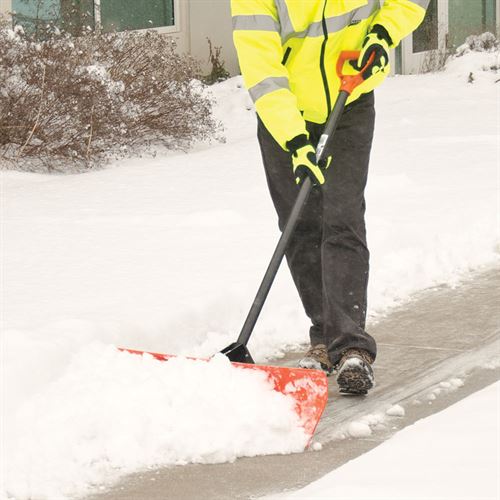
You can purchase specialized snow shovels that are designed to push snow. These shovels have a large plow on the front. You can also push snow with your regular snow shovel.

If you are able, push the snow out of the way rather than bend, scoop, lift and toss the snow. You will greatly reduce strain on your body.

Be Safe

Besides choosing the correct shovel and using proper technique, there are many other things that you can do to make sure you stay safe and injury free while clearing your snow.

  • Make sure you are in good health. Heavy snow shoveling snow over an extended period of time becomes a cardiovascular activity. Check with your doctor to make sure that you in good physical shape to shovel snow. Elderly individuals and those with a heart condition are typically warned to stay away from shoveling as they are more prone to serious injury.
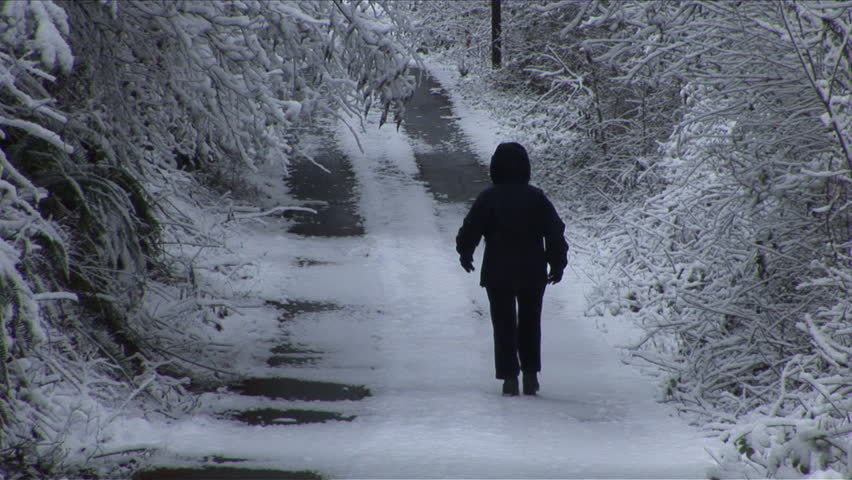
  • Dress for the weather. Make sure that your body is covered and warm, but be aware of overheating in those extra layers. Check the weather to see what the conditions are outside and dress appropriately. There may be a good window of opportunity for you to shovel snow without working in very rough conditions.
    winter-coat-walking


  • Take breaks. If you have to work during a heavy snowfall or when you have a large area to shovel, don’t try to do it all at once. Pace yourself and take a rest every so often, and stay hydrated.
  • Track the weather. During a large snow storm when snow is expected throughout the day, plan on going out to shovel several times. Don’t wait until the storm is over to try to clear the snow, this will only lead to heavier more compact snow that is more difficult to remove.
  • Always bend with your knees. To avoid putting excess strain on your back, bend at the knees to use those larger muscles to move the snow. Try not to bend at the waist and keep your back straight. A solid stance is also important — try to keep your legs hip-width apart and avoid twisting your torso.

Stay injury-free this winter and get the job done without taxing your body while you brave the cold and snow!
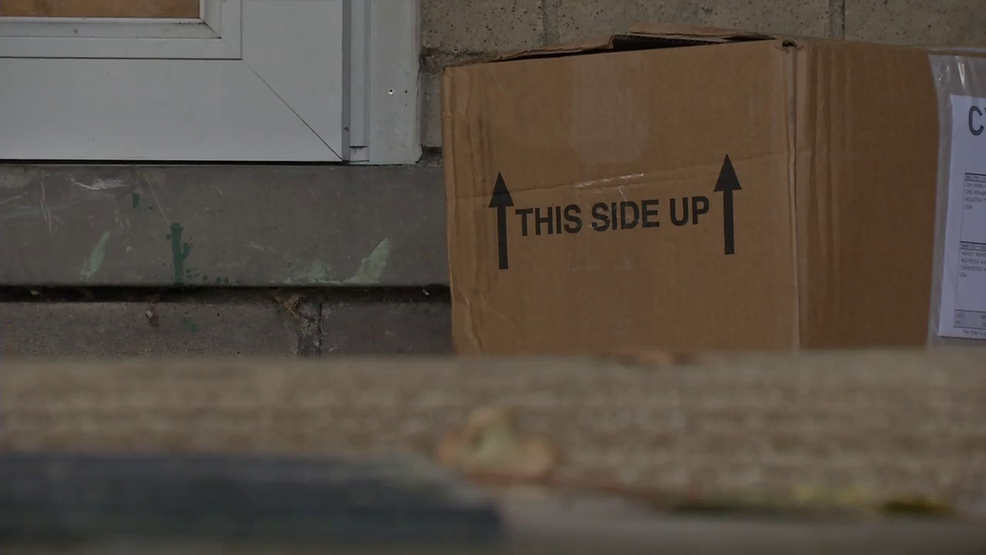
What to Do If Your Package is Stolen from Your Porch

You ordered the perfect gift, you’ve tracked its shipping status in anticipation of its arrival, but you come home from work on delivery day to find the package mysteriously absent from your doorstep. Your package may have been stolen. Now what?

If a Package is Taken From Your Porch, Who is Responsible?

There is a dramatic increase in packages delivered to homes around the holidays thanks to the explosive rise of online retailers such as Amazon. These online retailers often deliver packages to homes when the residents are at work.

With the holiday season upon us, more and more packages are being reported as missing from front porches all around the country. According to recent survey published by Comcast, 31% of Americans have experienced package theft at some point, while a 2017 study by InsuranceQuotes found that 25.9 million Americans have had their packages stolen during the holiday season alone.

package-on-porch

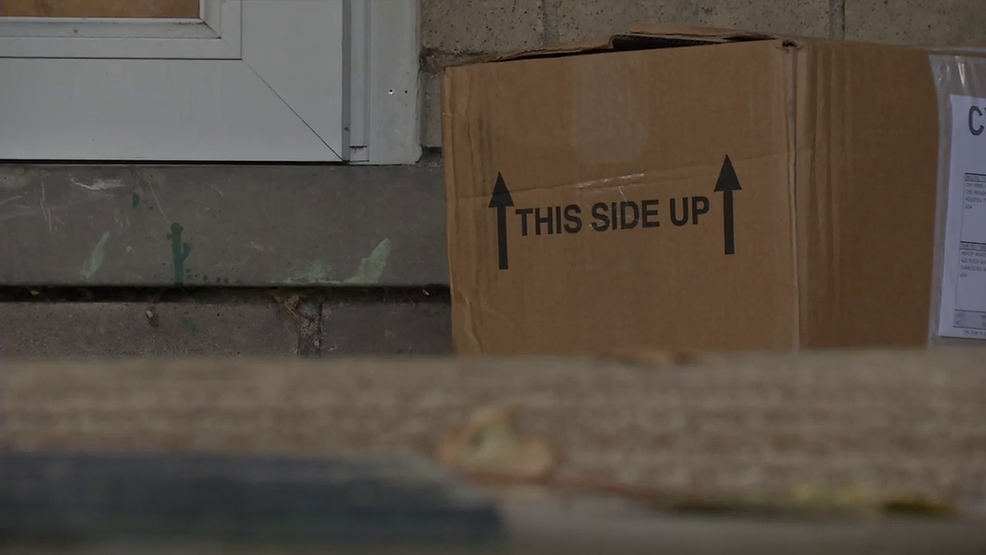
Thieves take advantage of the pile of unprotected parcels at your door by swiping them right from your front porch. Since porches often lack any security measures, criminals can get away scot-free with package theft. What can be done, then, to remedy the situation?

Read on to find out how to get reimbursed for your stolen item or have a new one shipped to you.

How to Handle a Package Theft

Verify that the package was delivered

The first step you need to take if you think someone stole your package is to track your shipment. If you haven’t been following the tracking updates closely and are only counting on the original estimated delivery date, you may have missed some important updates.

When a retailer ships your package to you, they typically send a shipping confirmation email with a tracking number. You can use that tracking number to check the status of your shipment along the way through the shipping company’s website.

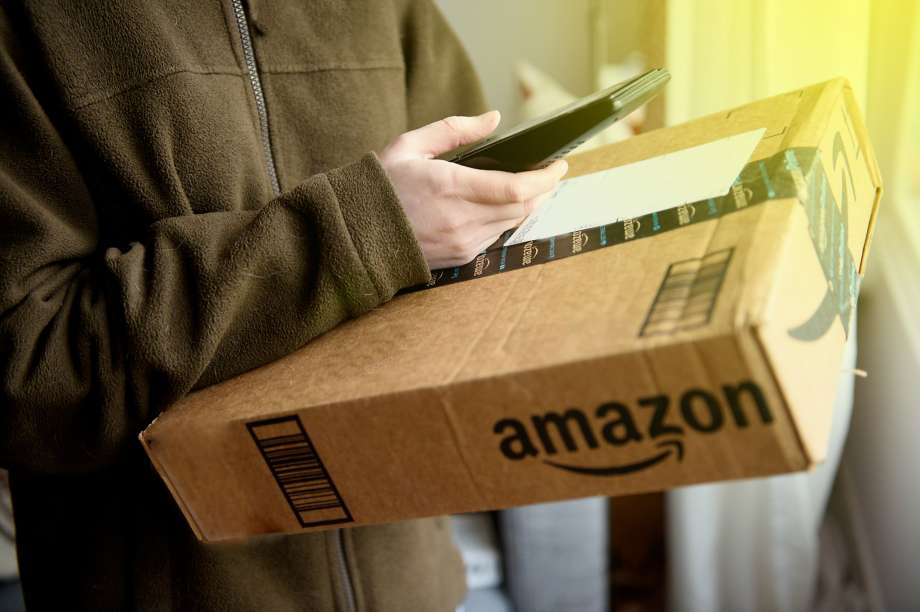
amazon-delivery-package

Packages are often delayed for one reason or another, especially in the winter time with snow and inclement weather preventing trucks from reaching or departing fulfillment centers and post offices. Double check your tracking number to verify that your package was indeed delivered on this date.

Additionally, it is important to make sure that you didn’t inadvertently send the package to the wrong address. Maybe you just moved, and the retailer had your old address stored in their system.

After you have verified that the package was delivered and it went to the correct address, it is time to investigate further before contacting the delivery service.

First, check with your neighbors to make sure that the delivery driver didn’t mistakenly drop it off at the wrong door. This happens more often than you would think.

Also, make sure that a concerned neighbor didn’t grab it off your porch for you as a precaution because they knew you weren’t home to get it yet or they didn’t want the package sitting out in inclement weather.

Save yourself the time and trouble of calling customer service only to realize that your package was with your next door neighbor all along.

Contact the seller

If you believe that your package was taken from your porch and your neighbors have no information on the package’s whereabouts, it is time to reach out to the retailer that you bought the item from.

Every retailer has a different policy when it comes to situations like these, but most are sympathetic to the situation and will refund or replace the stolen item for you.

Amazon, for example, covers most stolen packages with their A-to-Z Protection. If your item was purchased through one of their retail partners, known as Amazon Sellers, you may have to reach out to the third party first to try to resolve the situation.

In most cases, you should be able to work it out with the seller and they will provide you with a replacement item. However, if the retailer refuses to assist you, you may need to file a claim with the shipping company.

File a claim with the shipping company

If the retailer who you purchased the item from denies any responsibility for the missing package and wants to lay blame on the shipping company, you can file a claim with the shipping company. All major delivery services provide a claims reporting service via their website or by calling their customer service department.

If all else fails, you can check with your credit card company to see if they offer purchase protection. There are many stipulations with these policies, so be sure to get clarity about your card’s policies to see if the company will cover stolen packages.

Steps You Can Take to Protect Your Packages

If you have ever experienced a package stolen from your porch, you know how frustrating it can be. It is especially exasperating if you have had to jump through hoops in the claims process to remedy the situation.

Consider these tips for protecting your packages this holiday season:

  • Purchase package insurance for high-ticket items. For instance, if you are buying electronics like a new laptop, it is worth the extra money to purchase the optional insurance to ensure that you are covered should the laptop go missing. Insurance is usually purchased either through the retailer or the shipping company.
  • Plan to be at home when the package arrives. This is the ideal scenario, although we understand it is not always possible to be home at the time of delivery.

    Perhaps ask a trusted neighbor to keep an eye out for the delivery and secure your package until you get home, or have the package delivered somewhere where you know a person is present to accept it. If you aren’t familiar with any of your neighbors yet, send the packages to your workplace.

  • Request that your package be left at the Post Office or UPS store for pick up. This way, you can securely pick up your package when you have the time. No need to worry about thieves raiding your porch while you are away.

    In major cities, Amazon also offers a number of designated package pickup locations called

    Amazon Lockers, which will hold your item safely until you arrive. To retrieve your package, you need only enter in your special code at the machine or scan your smartphone.
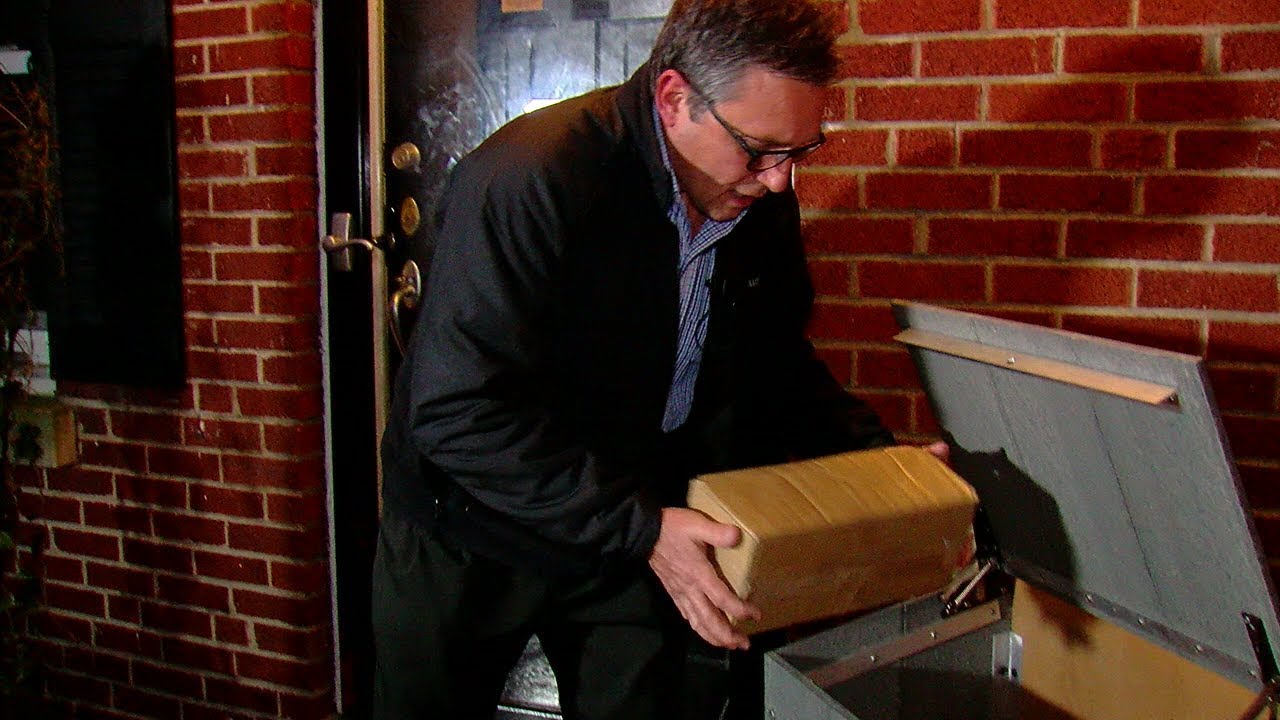
  • Get a lockbox. These reinforced containers are protected by a lock that can only be accessed by delivery drivers if they have a package that is addressed to you and scheduled for delivery on that day. BoxLock is one of the most well-known companies that create smart padlocks for you to do just that. lock-box-porch
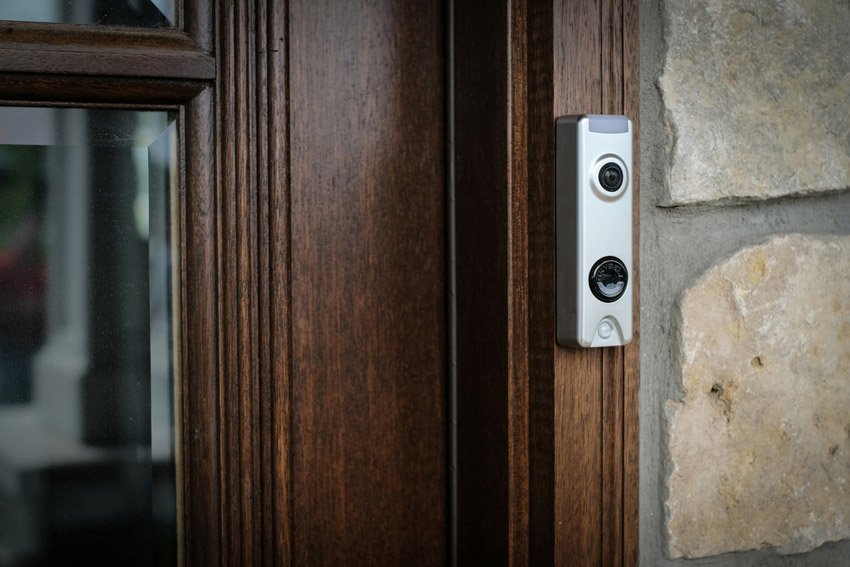
  • Install a security camera. Cameras alone can sometimes deter thieves from encroaching upon your property, though in many cases thieves will wear hoodies, sunglasses, or use some kind of cloth to make their face impossible to recognize. One particular camera designed to watch your porch is the Skybell Video Doorbell, a doorbell that automatically detects people who approach your door and notifies you through your smartphone so you can verify the person’s identity.

    skybellapplicationcompress1

  • Require signature on delivery. When ordering or shipping expensive items, require that the package be signed for, so that only the designated recipient can pick up the package. While this also adds on an extra fee, that extra verification step goes a long way in making sure your item doesn’t end up in the wrong hands.

We hope that we have provided some useful tips for what to do if your package is stolen, and for preventing such situations in the future.

Can RF Jammers Disable Your Honeywell Alarm Panel?

Nope.

The Honeywell Lyric alarm panel responds to RF jamming by alerting you with a warning and/or contacting the central monitoring station if it detects a signal jam for longer than 20 seconds.

What makes RF jammers so dangerous?

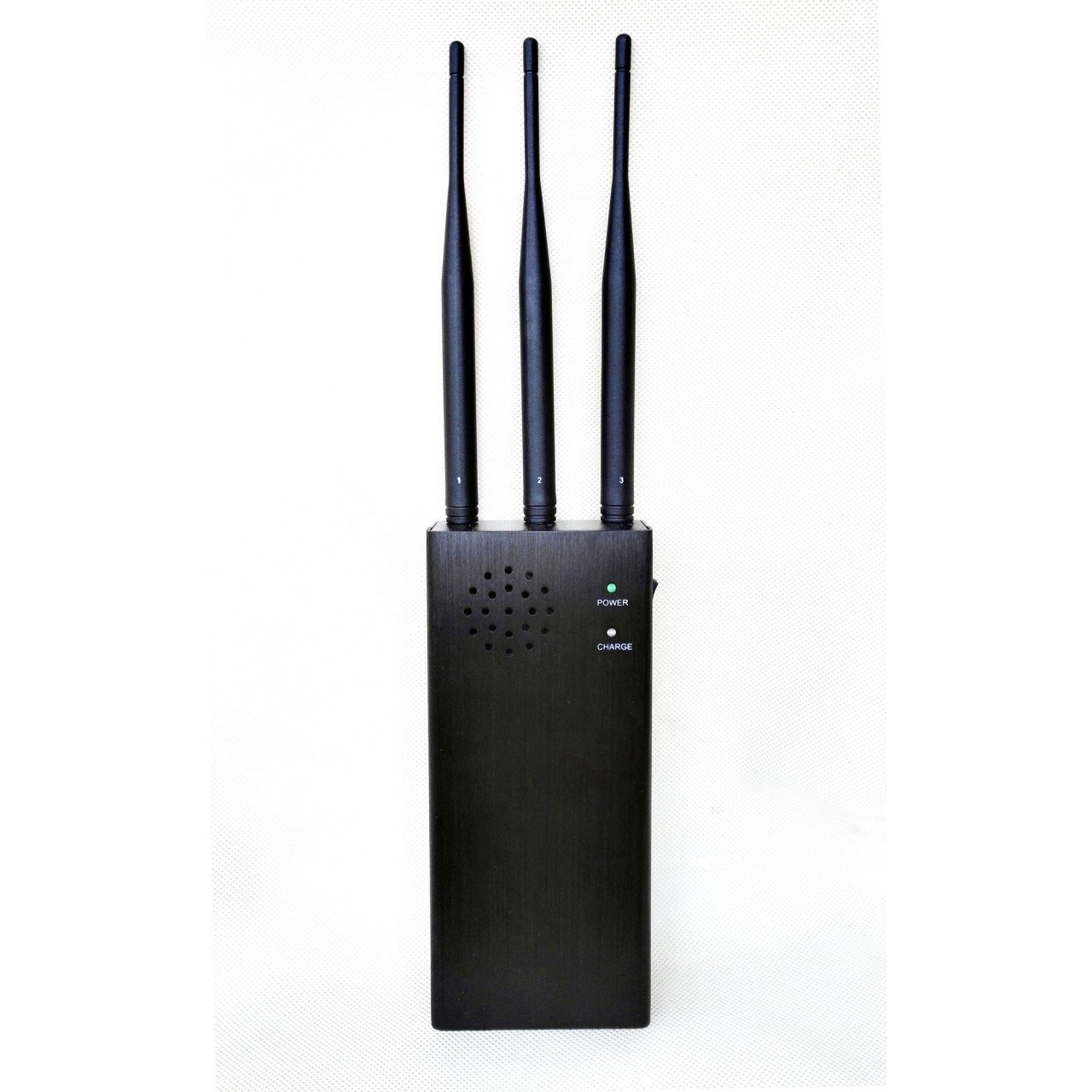
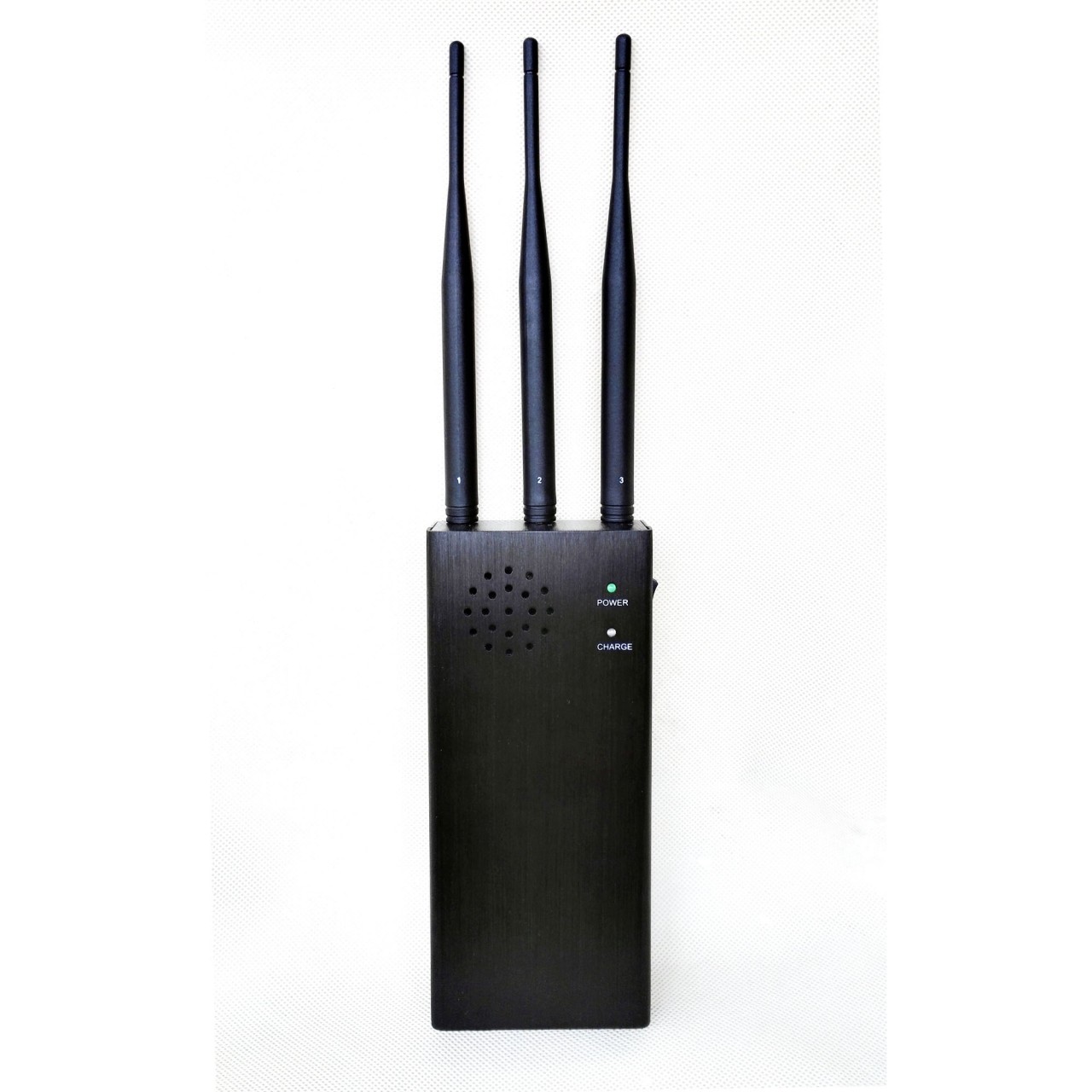
RF jammers are designed to block of the communications devices in a small radius, preventing your alarm system from contacting the central station. These devices can exploit gaping security holes that affect most of the cheaper alarm systems out there.

full_JMHandheld1.jpg

Although RF jammers are illegal in the United States, the online black market makes the devices accessible to criminals all over the world. Homeowners with larger houses are particularly at risk of being targeted by more sophisticated burglaries.

Fortunately, Honeywell equipment isn’t some ordinary consumer-grade junk that’s being handed out by most of the major security providers on the market. This is professional-grade stuff.

How does the Honeywell Lyric system stop jammers?

When a device frequency range (345MHz or 2.4ghz) has been transmitting for over 20 seconds, your Honeywell alarm panel displays an alert in the form of an exclamation point followed by number code that corresponds with the affected radio frequency.

There will also be some beeping noises that you can silence by pressing any button.

If you’ve enabled trouble reporting, your device will contact your Central Monitoring Station. Once the RF Jam condition is gone, you can clear the Trouble alert with a Disarm + Code entry.

The RJ Jam feature from factory comes activated with a RF Jam Log. To modify the Lyric controller RF Jam detection settings from the Lyric Controller’s home screen select Security > Tools > enter 4-digit installer code “default is 4112” > Program > System Type > Toggle RF Jam button to your liking.

If you have other questions about our products, contact us and we’ll help you out.

What Does Homeowners Insurance Cover?

If you are a homeowner with a mortgage, it is generally a requirement by lenders that you have homeowners’ insurance. While it’s not a legal requirement, it’s considered a good idea in terms of your financial plan and protection.

While most homeowners have this important insurance, very few actually know what homeowners’ insurance covers until they need to use it

Homeowners’ policies and coverage options will differ from policy to policy and state to state, here are some general coverage guidelines to help you better understand your insurance plan covers.

What Homeowners Insurance Covers

In general, a homeowners’ policy covers hazards that are specifically listed as covered events in your policy. Many homeowners experience an unfortunate accident or disaster and assume that their insurance will cover it, only to realize that a particular event is not covered by your policy.

There are four main categories of homeowners’ insurance coverage:

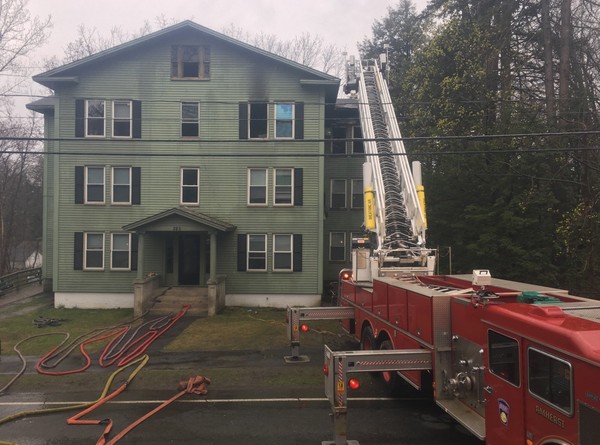
Coverage for the structure of your home – your policy will cover repairs or rebuilding of your home in the case of fire, hail, lightning, hurricane, or other events specifically listed in your policy.

amherst-main-street-firejpg-7726fcabf921b70e

Most insurance policies will also provide primary coverage for any detached structures you may have, such as a garage or shed.

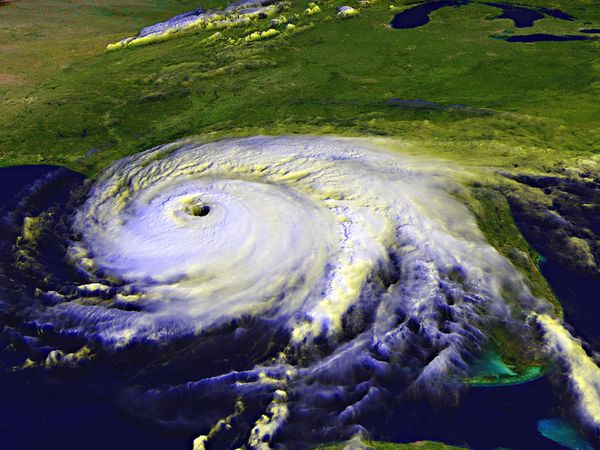
Coverage for personal belongings – your personal belongings — clothes, furniture, appliances, electronics are covered under certain conditions. If damaged by a fire, hurricane or other disaster listed in your policy, you typically have between 50 and 70 percent of the coverage for personal belongings that you have on the structure of your home.

hurricane-ivan_200_600x450

Expensive or valuables such as jewelry, collectibles, or artwork are usually covered in your policy, but there may be a restriction on the dollar amount. If you have a lot of these types of personal belongings, your best bet is to get the items appraised and purchase additional coverage for these valuables.

Interestingly, this coverage also includes trees and shrubs on your property. If these are damaged by a disaster that is covered under your policy, you will be covered up to a certain amount.

Liability Protection – this is coverage that protects you against potential lawsuits involving property damage or bodily injury to another person or their home.

This part of your coverage will pay for your court costs up to the amount that is stipulated in your contract. Most policies carry $100,000 of standard coverage which can be increased to meet your financial protection needs.

Your homeowners’ policy should also have no-fault coverage should a friend or neighbor get injured in your home. This is designed to reimburse them for medical bills or other injury-related expenses.

Additional Living Expenses – this coverage pays for the cost of living away from home — staying at a hotel or a relative’s home — if your property is uninhabitable due to a disaster. There are limits on this coverage, so it is essential to understand your particular policy guidelines before incurring expenses that might not be reimbursed.

What Homeowners’ Insurance Does NOT Cover

As important as it is to understand what your homeowners’ policy covers, it is equally as important to understand what it does not cover. The two big exclusions from homeowners’ policy coverage are earthquakes and floods.

Floods and Earthquakes

If you live in an area that has been deemed a floodplain, or prone to earthquakes, you are required to purchase a separate policy to cover damage from these incidents.

home flood

With some level of unpredictability when it comes to flooding and earthquakes, it may make sense to research your area and talk to a professional to consider purchasing these coverages. If you are not in a designated danger zone, the premium for these coverages should be minimal should one of these disasters ever strike.

Other Man-made and Natural Disasters

Other events that aren’t covered by your traditional homeowners’ policy include:

  • Mudslides
  • Landslides
  • Sinkholes
  • Warfare damage
  • Nuclear accidents

Neglect

Another potential incident that homeowners’ insurance may not cover is damage that results from neglect. For example, if you have a failing roof that has needed replacement for years and a natural disaster exploits its structural weakness causing damage, you may not be completely covered.

Your insurance company may investigate the claim to determine the cause of the disaster. If neglect and not the storm are determined to be the cause, they may deny or reduce your claim. For this reason, it is important to maintain your property.

How Much Coverage Do I Need?

It’s not always easy to know how much coverage you should purchase for your home’s insurance. You want to make sure that you are covered for common disasters, but don’t want to spend an arm and a leg for coverage that you will never use.

Your mortgage lender will typically have minimum coverage stipulations that you must follow for your loan to be approved. But it also depends on your financial situation in terms of protecting your assets and liability levels. This is why it’s important to consult with an insurance professional who can help you determine appropriate amount of coverage based on your situation.

Insurance can be complicated but knowing the basics will prepare you to meet with an insurance professional and ask questions about what your policy covers and what is does not.

Everyday Tips on Avoiding Bike Theft

In the quest for a cleaner, greener way of life, cycling has increased in popularity because of its minimal carbon footprint. Cities around the world have adapted by creating bike lanes, bike parks, and bike parking facilities.

But with bicycles’ smooth integration into modern-day life, another facet of life adapts to it as well—crime.

To a thief, stealing bicycles can be more tempting than stealing cars. While they don’t fetch as much money on the resell, they are smaller, more inconspicuous, and are less likely to have an alarm system, making crimes difficult to trace. Bikes are also easier to resell since they can be sold directly on the streets without going through a dealer.

While many commercial locks, chains, and security accessories are available on the market, you should know how to make the most of even the most basic safety measures.

It is also important to be mindful how and where you park and take your bike. Here are some easy tips on how to prevent bike theft that you can apply to our day-to-day habits.

Firstly, are very few things will deter a persistent thief. The below methods aren’t 100% effective. However, they will make it harder for potential thieves to steal your bike.

Keep your bike indoors whenever possible.

This tip is specifically for those who like to keep their bikes outside or in the garage overnight. It may seem obvious, but bike owners may be lulled into a false sense of security when they park their bikes behind a gate or inside a garage. The truth is, if a thief has already got eyes on your bike and observes you leaving it in the perimeter of your home, it will still be relatively easy for them to access it.

Take the extra effort to bring it inside your house at night, or if you must leave it in the garage, make sure it’s chained to something large and immovable. We’ll discuss the proper way to chain your bike in a moment.

Choose parking spots with heavy traffic.

You probably can’t avoid parking your bike outside, especially if you use it for your everyday commute. When parking your bike out in public, choose spaces that have heavy foot and/or car traffic. Thieves are less likely to steal if there are witnesses.

If a thief knows he is more likely to get caught there, he may avoid the spot. Also, opt to park your bike with other bikes. The more there are, the less likely yours will stand out.

Don’t be too flashy.

Now this one may sound like victim blaming, but a thief will always go for the biggest payoff: the most expensive—or expensive-looking—bike. It’s unfair to put this burden on the owner, but it’s a fact.

We’re not deterring you from buying high-end bikes, but we advise that you be mindful of your investment. Large brand names, bright colors, and flashy accessories draw attention to how much your bike costs.

If you know your bike is tempting, perhaps find a safer, more exclusive parking for it. Better still, if you won’t be doing extensive road racing on a daily basis, maybe save the high-end bike for the track and use a cheaper one for your daily commute.

Avoid cable chain locks.

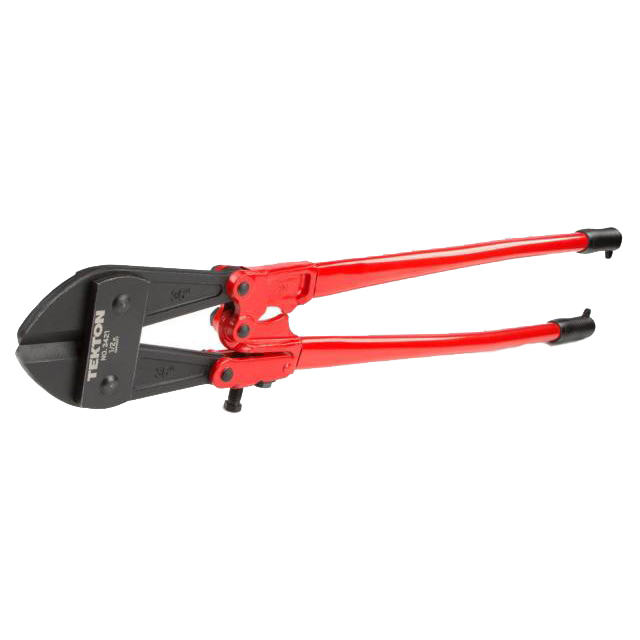
Cable chain locks are lightweight and easy to use, but they are also the easiest to break with a standard pair of bolt cutters. This is because it’s made of small strands of tensile material woven together instead of one solid mass.

bolt-cutters

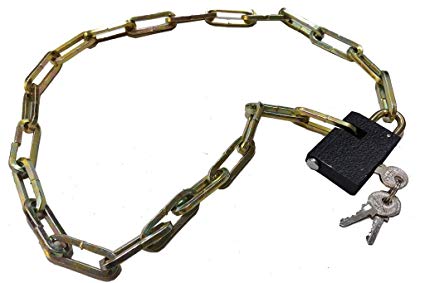
A thick chain, although more bothersome, is harder to damage. Thieves will need to have specialized equipment on hand to break the chain so that eliminates at least opportunistic ones from targeting your bike.

chain-lock

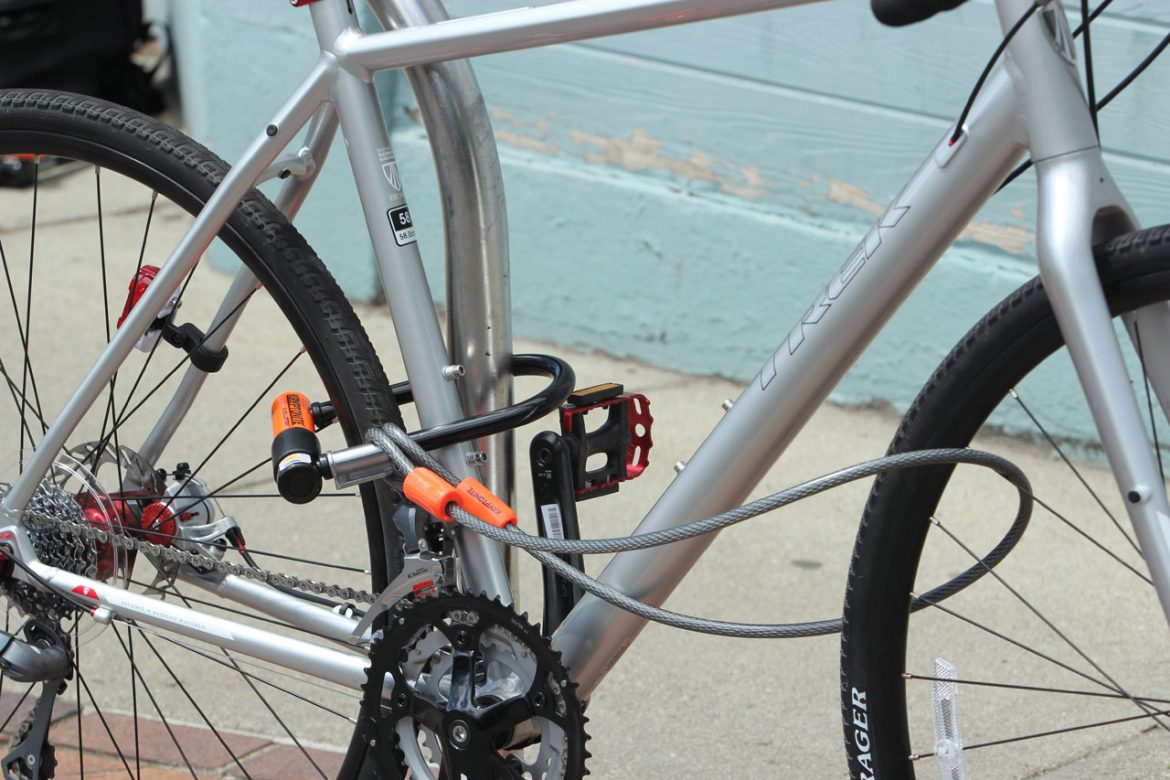
A U-lock is also a good option for locking your wheels to the frame. It’s made of thick, solid steel and difficult to cut or bend.

U-Lock-with-cable-with-bicycle

However, the U-lock isn’t as maneuverable as a regular chain. It is more advisable to use it in addition to chain locks instead of just on its own.

You can use a U-lock to secure the wheels and a chain lock to secure it to an anchor.

More on that later!

Secure removable components.

People don’t just steal bikes, they steal bike parts as well. These still have re-sell value, if not as bike parts, at least as metal. If you can replace quick release mechanisms on your bike with bolts, it makes it harder to take your bike apart.

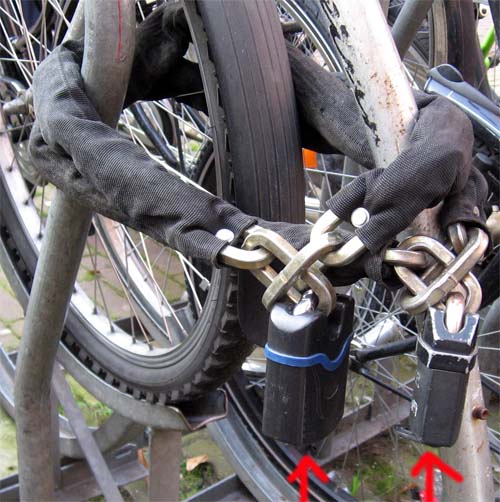
When chaining up your bike, make sure to include and secure things like your saddle, handles, gear set, and other accessories. When you’re wrapping the chain around, loop it through the wheels and the frame instead of just around.

amsterdam_bicycle_lock

This isn’t just to stop mobility, it’s also so that someone won’t be able to slide off the chain by simply removing the seat, wheels, or handles. It also makes the chain tighter, harder to shake loose and slide a file or saw between it.

Chain it to something immovable.

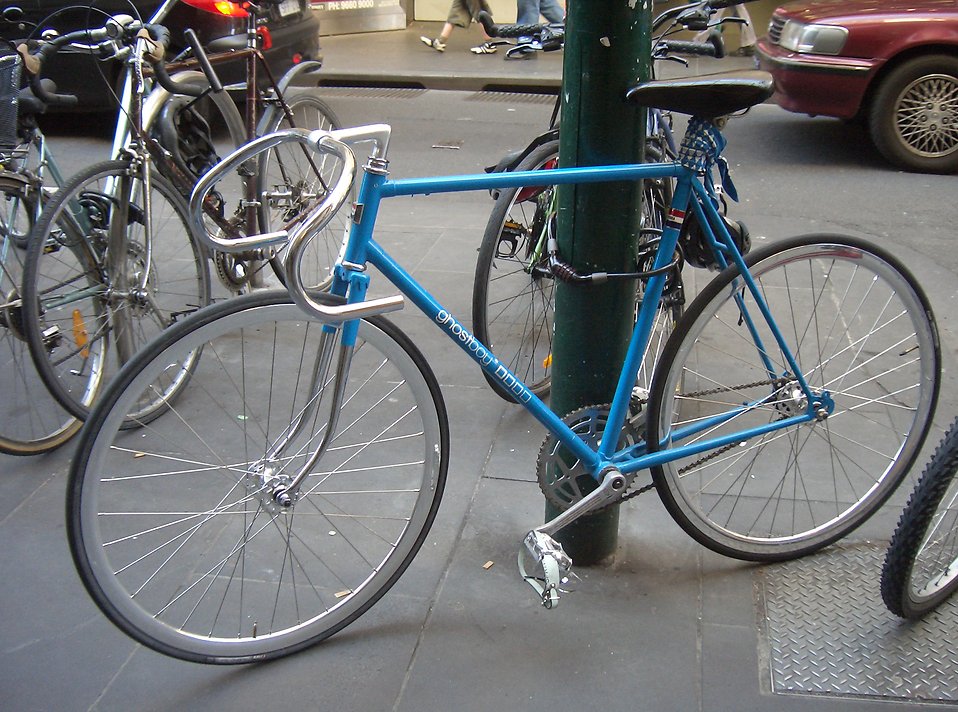
Make sure to chain both your wheels to the frame, and then chain them to an anchor of some sort, preferably with separate sets of chain locks. This extra precaution just makes it harder for thieves since they’ll have to break several more chains.

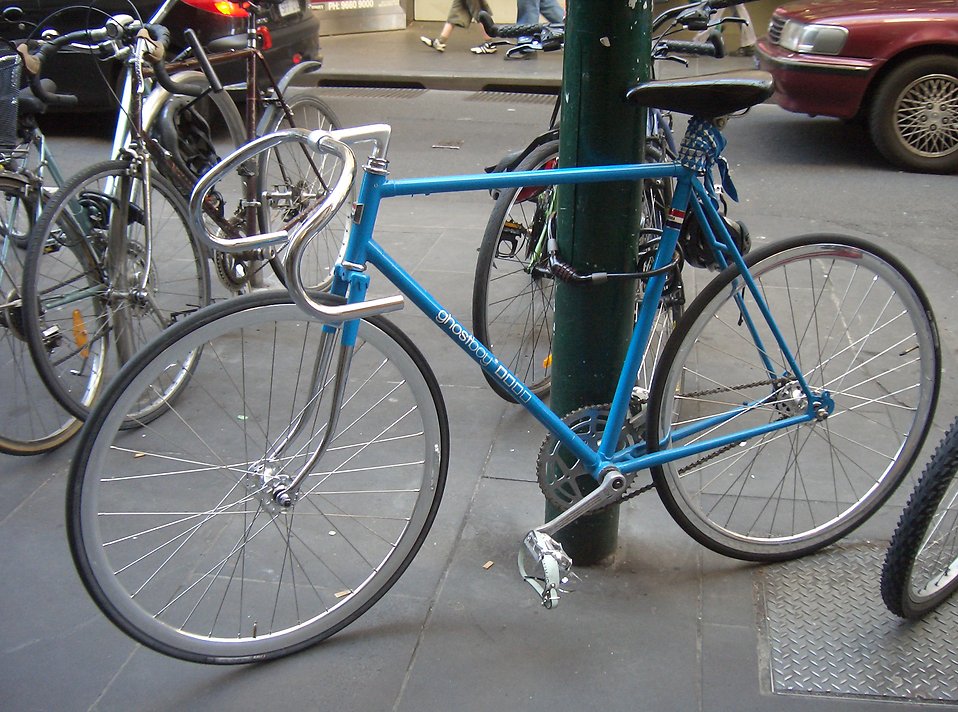
bicycle-chained-to-pole

Whatever you chain your bike, chain it to something heavy, durable, and immovable. Some designated bicycle parking lots have a row of thick steel bars specifically for this purpose.

If no bars are available, find something that is firmly cemented to the ground or building, and cannot be smashed or broken to slide the lock off. A heavy gate, pillar or pole may work well for this, but never chain your bike to a tree. Yes, it is firmly planted into the ground, but trees—especially thinner ones that you can wrap a chain around—are breakable. To an experienced thief, it isn’t as difficult as you would expect.

Check your app privacy settings.

Avid bikers, especially those who use it for sport or exercise may find it beneficial to track their progress by logging their rides on an app that uses GPS. There’s nothing wrong with this, but make sure your settings on these apps are set private.

Many of these apps display users locations on the map and it’s free and easy for other users to view this information. This may be used by thieves to observe where you usually start or end your rides, meaning where you normally park your bike.

Luckily, most apps also have the option to keep your information and location private, but not as a default. Make sure to change your settings before you go out for a ride.

Be wary of vandalism.

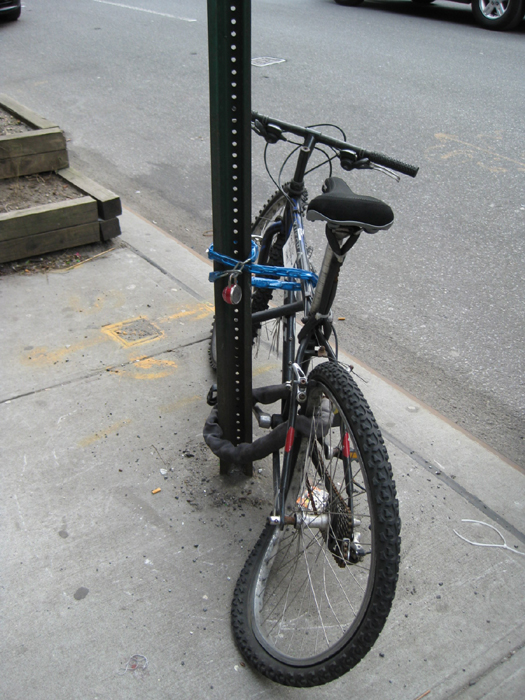
Small acts of vandalism aren’t always random. Some thieves will slightly damage your bike wheels in the hopes that you won’t ride it home, making it easier for them to take later in the night.

bike-vandalism-tires

They will make sure the damage is enough to make it unrideable but not unsellable. Keep an eye out for slashed tires or bent bars. If this happens to you, don’t leave your bike. Walk it home or take it with you.

Know your own bike.

Similar to how you would take note of your car’s license plate and registration numbers, make sure you also keep records of your bike’s serial number and those of any high-end accessories it may have.

If available in your area, you may register it to a local or national database. This is so if your bike is stolen, it may be tracked down if it is ever put on public sale. This may not deter from street selling, but it will raise flags if someone else tries to register your bike. It is more of an after-the-fact fix, but in this unfortunate incident, retrieval is your best case scenario.

If it does happen to you, report it to the authorities immediately. Even if you spot your bike thief, it is not advisable to approach or confront them. Keep eyes on them and take note of their description, and then tell the nearest law enforcement officer as soon as possible.

Invest in a GPS tracker.

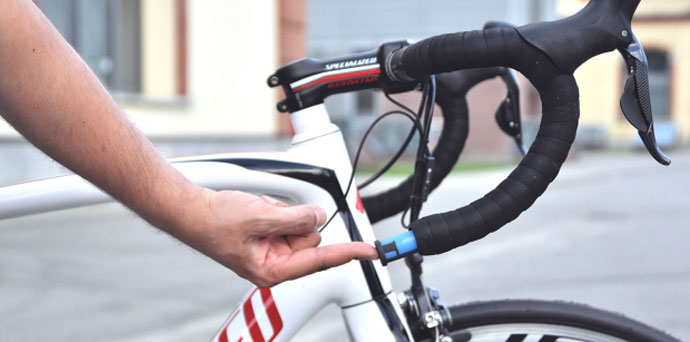
If you really want to be careful, you can purchase a GPS tracking device that attaches to your bike and pings back to an app on your phone. This is another after-the-fact fix in case your bike is stolen, but of course, you can also use the tracker to check up on our bike while it’s out of sight.

hidden-gps-tracker-for-bicycles

Conclusion

Ultimately, it’s about properly using the security tools at your disposal. Whether you can afford high-end locks and trackers, or simply want to work with the basics, making the most effective use of any of these safety tools can spell the difference between keeping and losing your bike.

X

GET FREE QUOTE

What are you protecting?*

Step 1 of 4

Is your property currently monitored?*

Step 2 of 4

What size is your property?

Step 3 of 4

Who is this personalized quote for?*

By clicking this button, you consent for Alarm New England to use automated technology to contact you at the number provided. This consent is not required to make a purchase from us.

Step 4 of 4