The Relationship Between Home Automation and Security

In an era of rapid technological advancement, home automation has become increasingly popular. This seamless integration of technology into our daily lives has transformed the way we interact with our homes, making them smarter, more efficient, and safer. One of the most significant aspects of home automation is its role in enhancing home security.

The Evolution of Home Automation

Home automation has come a long way since its inception. What started as simple remote-controlled lighting and thermostat systems has now evolved into a complex network of interconnected devices. Smart homes today are equipped with a wide range of gadgets and sensors, all designed to make life more convenient and secure.

The Role of Home Automation in Security

Home security is a top priority for homeowners, and automation has made great strides in this area. Here are some ways in which home automation enhances security:

  1. Smart Locks: Smart locks have revolutionized home security by allowing homeowners to remotely control and monitor their doors. They provide features such as keyless entry, temporary access codes, and real-time notifications when someone enters or exits the house. This level of control gives homeowners peace of mind and deters potential intruders.
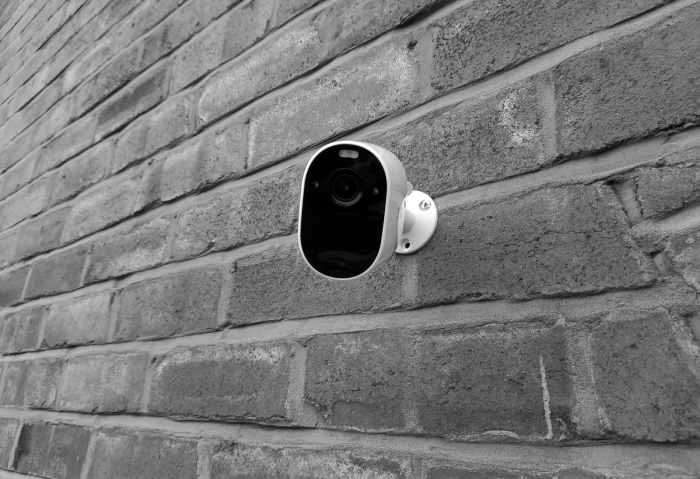
  2. Video Surveillance: Home automation has made video surveillance systems more accessible and user-friendly. With Wi-Fi-enabled cameras and mobile apps, homeowners can monitor their property in real-time from anywhere. Some systems even offer facial recognition and motion detection, sending alerts when suspicious activity is detected.
  3. Smart Alarms: Traditional home alarms are now integrated with automation systems, allowing for better customization and control. Smart alarms can send alerts directly to your smartphone, enabling a quicker response in case of a break-in or emergency.
  4. Lighting Control: Automated lighting systems can simulate your presence at home even when you’re away. You can schedule lights to turn on and off or control them remotely, creating the illusion of an occupied house to deter potential burglars.
  5. Window and Door Sensors: Sensors placed on windows and doors can detect unauthorized entry and trigger alarms or send notifications to your phone. These sensors are discreet and can be seamlessly integrated into your home’s design.
  6. Integration with Voice Assistants: Many home automation systems can be controlled using voice commands through popular voice assistants like Amazon’s Alexa or Google Assistant. This adds another layer of convenience and accessibility to your security measures.
  7. Smoke and Carbon Monoxide Detectors: Smart smoke and carbon monoxide detectors not only sound alarms but also send alerts to your smartphone when they detect potential hazards. This can be especially useful when you’re not at home.

The Benefits of Home Automation in Security

The integration of home automation into security systems offers numerous benefits:

  1. Peace of Mind: Knowing that you can monitor and control your home’s security remotely provides a sense of security and peace of mind, whether you’re at work or on vacation.
  2. Energy Efficiency: Home automation systems can optimize energy usage, helping you save on utility bills while reducing your carbon footprint.
  3. Convenience: Automation simplifies daily tasks, such as adjusting the thermostat, turning off lights, and arming the security system, making your life more convenient.
  4. Customization: You can tailor your automation system to meet your specific security needs and preferences, giving you full control over your home’s safety.

Going Hand In Hand

Home automation and security go hand in hand in the modern world. The convenience, customization, and peace of mind it offers make it an attractive option for homeowners looking to enhance their security measures. As technology continues to advance, we can expect even more innovative solutions to further improve home automation and security. Whether you’re looking to protect your family or simply make your daily life more comfortable, home automation has something to offer for everyone.

Security System Integration With Smartphones

In today’s digital age, the integration of security systems with smartphones has revolutionized the way we safeguard our homes. No longer confined to traditional alarm systems, homeowners now have the power to monitor and control their security setups remotely, all from the palm of their hands. In this article, we will delve into the world of security system integration with smartphones, exploring the features, benefits, and how this synergy is reshaping the future of home protection.

The Evolution of Home Security

Gone are the days when home security systems were limited to basic alarms triggered by a door sensor or motion detector. Today’s security systems are intelligent, connected, and designed to provide homeowners with comprehensive protection.

One of the key advancements in this evolution is the integration of security systems with smartphones. This integration has brought a host of benefits, making it easier than ever to keep an eye on your home, no matter where you are.

Remote Monitoring and Control

The most significant advantage of smartphone integration with security systems is the ability to remotely monitor and control your home’s security. With the installation of a compatible app on your smartphone, you gain real-time access to your security cameras, sensors, and alarms.

This means that whether you’re at work, on vacation, or simply away from home, you can check in on your property whenever you like. If a motion sensor is triggered or an alarm goes off, you receive an instant notification on your phone, allowing you to take immediate action or alert the authorities if necessary.

Live Video Streaming

Many modern security systems offer live video streaming through smartphone apps. This feature enables you to view the interior and exterior of your home in real-time. Whether you want to see who’s at the front door, check on your pets, or monitor the kids coming home from school, live video streaming provides peace of mind and added security.

Two-Way Audio

In addition to video streaming, some security systems allow for two-way audio communication. This means you can not only see what’s happening but also have a conversation with anyone near your security cameras or doorbell. Whether it’s a delivery person or an unexpected visitor, you can interact with them without being physically present.

Remote Arming and Disarming

Forgot to set the alarm system before leaving home? No problem. Smartphone integration allows you to arm or disarm your security system remotely. This flexibility is incredibly convenient and ensures that your home is protected even if you forget to set the alarm before leaving.

Customized Alerts

Smartphone apps for security systems offer customizable alert settings. You can choose the types of alerts you want to receive and how you receive them. Whether it’s a push notification, email, or SMS, you can tailor your alerts to match your preferences and priorities.

Integration with Smart Home Devices

The synergy between security systems and smartphones extends beyond just monitoring and control. Many security systems integrate seamlessly with other smart home devices. This means you can create customized automation scenarios that enhance both security and convenience.

For example, you can program your smart lights to turn on when motion is detected by your security cameras, creating the illusion of an occupied home even when you’re away. You can also integrate smart locks, allowing you to remotely lock or unlock doors for trusted individuals or service providers.

Enhanced Security

The ability to monitor your home remotely and receive instant alerts significantly enhances the security of your property. You can respond to potential threats in real-time, whether it’s a break-in, a fire, or a gas leak. This quick response can make all the difference in preventing damage or loss.

Moreover, the presence of visible security cameras and smartphone-controlled alarms acts as a deterrent to potential intruders. When they see that your home is under surveillance and that you can respond immediately, they are less likely to attempt any criminal activity.

Peace of Mind

Perhaps one of the most valuable aspects of smartphone integration with security systems is the peace of mind it provides. Knowing that you can check on your home whenever you want, receive alerts, and take action if needed, allows you to relax and focus on other aspects of your life.

Choosing the Right System

When considering a security system with smartphone integration, it’s essential to choose the right one for your needs. Here are some factors to consider:

Compatibility

Ensure that the security system you select is compatible with your smartphone’s operating system (iOS, Android, etc.) and that it offers a user-friendly app.

Cameras

If video surveillance is a priority, select a system with high-quality cameras that provide the resolution and coverage you need.

Customization

Look for systems that allow you to customize alerts, automation rules, and settings to match your preferences.

Professional Monitoring

Some systems offer professional monitoring services in addition to smartphone control. Consider whether you want this added layer of security.

Smart Home Integration

If you have existing smart home devices, make sure your security system can integrate with them seamlessly.

The New Era in Home Protection

The integration of security systems with smartphones has ushered in a new era of home protection. With remote monitoring and control, live video streaming, two-way audio, and integration with smart home devices, homeowners now have the power to secure their homes with unprecedented convenience and efficiency. As technology continues to advance, this synergy between security systems and smartphones is only expected to become more sophisticated, ensuring that the future of home protection is both smarter and safer.

Advancing Home Safety and Convenience with Wireless Security Systems

Wireless security systems have transformed the way we safeguard our homes. In an era where technology continues to redefine our daily lives, these innovative systems have become an integral part of modern home security. Welcome to the world of wireless security systems. Explore their features, benefits, and why they are the preferred choice for many homeowners.

Cutting the Cord: What Are Wireless Security Systems?

Wireless security systems, also known as wireless home security systems, are a contemporary approach to safeguarding your residence. Unlike traditional wired systems that rely on physical connections between various components, wireless systems communicate through radio frequency signals. These systems encompass a range of devices, including sensors, cameras, control panels, and more, all connected wirelessly to form a comprehensive security network.

The Advantages of Going Wireless

  • Ease of Installation: One of the primary advantages of wireless security systems is their simplicity and flexibility during installation. There’s no need for extensive wiring throughout your home, which means less mess and disruption during setup. This also makes them an excellent choice for renters, as they can easily be moved to a new location.
  • Remote Accessibility: Wireless systems allow homeowners to monitor their security remotely. Through smartphone apps or web portals, you can access live feeds, receive alerts, and control your security system from virtually anywhere, providing peace of mind even when you’re away from home.
  • Scalability: These systems are highly scalable. You can start with a basic setup and expand it as needed. Whether you want to add more sensors, cameras, or other devices, wireless systems accommodate growth without the hassle of rewiring.
  • Reliability: Wireless technology has come a long way, and modern systems are exceptionally reliable. They feature robust encryption and security protocols to protect against hacking, ensuring the safety of your data and system.
  • Integration with Smart Home Devices: Wireless security systems often integrate seamlessly with other smart home devices. This means you can incorporate your security system into your existing smart home ecosystem, controlling lights, locks, and even thermostats to enhance both security and convenience.
  • Customization: Homeowners can tailor wireless security systems to their specific needs. You can choose the types and number of sensors, cameras, and other components that best suit your home and lifestyle.
  • Cost-Efficiency: While wireless security systems may have a higher upfront cost than their wired counterparts, the ease of installation and flexibility can result in cost savings in the long run. Additionally, many wireless systems do not require professional installation, further reducing costs.

Key Components of Wireless Security Systems

To understand how these systems work, it’s essential to grasp their key components:

  • Control Panel: The control panel serves as the central hub of the system. It communicates with all other devices and is where you arm or disarm the system. Many control panels feature touchscreens for user-friendly operation.
  • Sensors: Sensors are placed at entry points like doors and windows or in areas where motion is detected. When a sensor is triggered, it sends a signal to the control panel, which then activates the alarm or sends an alert.
  • Cameras: Wireless security cameras provide video surveillance. They capture footage and, in some cases, feature two-way audio communication. These cameras can be placed both indoors and outdoors to monitor various areas of your property.
  • Motion Detectors: Motion detectors sense movement within their range and can trigger alarms or other responses. They are essential for detecting intruders or unauthorized activity.
  • Doorbell Cameras: A popular addition to many wireless systems is the doorbell camera. These devices allow you to see and communicate with visitors at your front door, even when you’re not home.
  • Key Fobs or Keypads: Key fobs and keypads provide convenient ways to arm or disarm the system without using a smartphone or the control panel.

Selecting the Right Wireless Security System

When choosing a wireless security system for your home, consider the following factors:

  • Coverage Area: Assess the size and layout of your home to determine how many sensors and cameras you need for adequate coverage.
  • Integration: If you have existing smart home devices, ensure that the security system you select is compatible and can be integrated seamlessly.
  • Monitoring Options: Decide whether you want professional monitoring or self-monitoring. Professional monitoring services can provide 24/7 surveillance and emergency response.
  • Budget: Determine your budget for the initial purchase and any ongoing monitoring fees.
  • Scalability: Consider your future needs and whether the system can be expanded as your requirements change.

Installation and Setup

Installing a wireless security system is typically straightforward and can often be done as a DIY project. However, some homeowners may prefer professional installation for added peace of mind. Here’s a general overview of the installation process:

  • Choose Your Equipment: Select the control panel, sensors, cameras, and any additional devices you need.
  • Install Devices: Follow the manufacturer’s instructions to place sensors and cameras in strategic locations. Ensure they are securely mounted and have a clear line of sight.
  • Set Up Control Panel: Power on the control panel, connect it to your Wi-Fi network, and follow the on-screen instructions to configure the system.
  • Configure Alerts: Set up alerts, such as notifications for specific events or alarms, through the control panel or smartphone app.
  • Test the System: Perform thorough testing to ensure all devices communicate effectively with the control panel and that alerts are functioning correctly.

Wireless vs. Wired Security Systems

When it comes to choosing a security system for your home, one critical decision is whether to opt for a wireless or wired system. Each option has its own set of advantages and considerations, and the choice largely depends on your specific needs and circumstances.

Wireless Security Systems

Wireless systems, as discussed earlier, offer the convenience of easy installation and flexibility. They are ideal for both homeowners and renters because they do not require extensive wiring or drilling. This makes them a non-invasive and temporary solution for those in rental properties.

The wireless technology used in these systems has evolved significantly, making them reliable and secure. With encryption and anti-hacking features, wireless security systems provide robust protection for your home.

Additionally, wireless systems excel in remote accessibility. Through mobile apps or web portals, homeowners can monitor their security in real-time, receive instant alerts, and control their systems remotely. This level of convenience is highly valued in our fast-paced, connected world.

However, wireless systems may have limitations in terms of range, making them less suitable for very large properties. They also rely on batteries, which require periodic replacement or recharging.

Wired Security Systems

Wired security systems, on the other hand, are known for their reliability and stability. These systems are hardwired into your home’s electrical and communication network, eliminating concerns about battery life or signal interference.

Wired systems are typically more challenging to install, often requiring professional assistance. They involve drilling holes and running cables throughout your home, which can be disruptive. This installation process makes them a better fit for homeowners who plan to stay in their current residence for an extended period.

While wired systems may lack the flexibility of wireless counterparts, they excel in terms of longevity and performance. They are less susceptible to signal interference, making them suitable for larger properties.

So, the choice between wireless and wired security systems ultimately depends on your preferences and the specific requirements of your home. Wireless systems offer convenience and flexibility, while wired systems provide reliability and longevity. Consider your priorities and consult with security professionals to determine which option is best suited to protect your home and loved ones effectively.

Considering Wireless Security Systems for Your Residential Property?

Wireless security systems offer homeowners a reliable, flexible, and convenient way to protect their homes and loved ones. With their ease of installation, remote accessibility, and integration with smart home devices, these systems have quickly become a cornerstone of modern home security. Whether you’re a tech enthusiast or simply looking for an effective way to enhance your home’s safety, wireless security systems are a valuable investment in peace of mind and protection.

Window Security Measures

Ensuring the security of your home is a top priority, and one area that often requires attention is window security. Windows are potential entry points for intruders, and taking measures to secure them can significantly enhance your home’s safety. In this article, we’ll explore various window security measures to help you protect your property and loved ones.

Reinforced Glass

One of the first steps in improving window security is reinforcing the glass. Standard window glass is relatively easy to break, providing a straightforward entry for intruders. Here are some options for strengthening your window glass:

  • Tempered Glass: Tempered glass is heat-treated to be more durable and shatter-resistant than regular glass. If it does break, it shatters into small, less harmful pieces rather than sharp shards.
  • Laminated Glass: Laminated glass consists of multiple layers of glass bonded together with a layer of transparent plastic. This creates a resilient barrier that’s difficult to penetrate. Even if the glass is shattered, the plastic layer holds it together.
  • Security Film: Security film is a cost-effective option for strengthening window glass. Applied directly to the glass surface, it holds shattered glass in place, making it more difficult for intruders to gain access.

Window Locks

Properly functioning window locks are essential for preventing unauthorized access. Here are some common types of window locks to consider:

  • Window Latches: Simple window latches, such as sliding bolts or sash locks, secure the window in a closed position. These locks are easy to install and are available for various window types.
  • Keyed Locks: Keyed window locks require a key to unlock and open the window. They provide an added layer of security, particularly for ground-level windows or those near vulnerable entry points.
  • Window Pins and Bars: Window pins and bars are physical barriers that prevent windows from being opened fully. They are often used on sliding windows and can be easily removed when you want to open the window.

Window Alarms

Window alarms are excellent deterrents and can alert you to potential break-ins. These alarms are triggered when the window is opened or tampered with. Here’s what you need to know about window alarms:

  • Wireless Alarms: Wireless window alarms are easy to install and can be connected to a central monitoring system or your smartphone. When the window is opened, the alarm sounds, and you receive an alert.
  • Magnetic Contacts: Most window alarms use magnetic contacts that consist of two parts: one on the window frame and one on the window itself. When the window is opened, the magnetic connection is broken, triggering the alarm.
  • Vibration Sensors: Some window alarms use vibration sensors that detect when the window is struck or tampered with. These are effective against attempts to force the window open.

Window Grilles and Bars

Window grilles and bars provide physical barriers that make it nearly impossible for intruders to enter through a window. However, they can also affect the aesthetics of your home and potentially impede escape in case of emergencies. Here are some considerations:

  • Decorative Grilles: Decorative grilles are often used on ground-level windows. They enhance security while adding a decorative element to your home’s exterior.
  • Burglar Bars: Burglar bars are strong metal bars that cover the window. While they provide excellent security, they can be seen as unattractive and may not be suitable for all window types.
  • Escape Mechanisms: If you choose to install window grilles or bars, ensure that there are quick-release mechanisms in place to allow for easy escape in case of a fire or other emergencies.

Window Coverings

Window coverings can also play a role in window security. While they may not physically prevent access, they can deter potential intruders and provide privacy. Here are some window covering options to consider:

  • Curtains and Blinds: Curtains and blinds can block the view into your home, preventing potential burglars from seeing valuable items inside.
  • Frosted or Tinted Glass: Applying frosted or tinted film to your windows obscures the view from the outside while allowing natural light to enter your home.
  • Security Shutters: Security shutters are sturdy coverings that can be closed over windows to provide an additional barrier. They are especially effective for securing windows in vacation homes.

Landscaping and Lighting

The way you design your home’s exterior can also contribute to window security. Proper landscaping and outdoor lighting can deter intruders. Here’s how:

  • Prune Trees and Shrubs: Trim trees and shrubs near windows to eliminate hiding spots for potential intruders.
  • Outdoor Lighting: Install motion-activated outdoor lighting near windows and entry points. Well-lit areas discourage burglars from attempting a break-in.
  • Security Cameras: Visible security cameras near windows act as both a deterrent and a way to capture evidence in case of an incident.

Security System Integration

Integrating your window security measures into a comprehensive home security system is a wise choice. Modern security systems allow you to monitor and control your windows remotely, receive alerts, and even integrate with home automation features. This level of integration provides convenience and peace of mind.

In Conclusion

Window security is a vital aspect of your overall home security plan. By implementing the right combination of security measures, you can significantly reduce the risk of intruders gaining access through your windows. Whether you opt for reinforced glass, window locks, alarms, grilles, or a combination of these measures, the goal is to protect your home and loved ones from potential threats.

Looking for Home Security Monitoring Services?

When it comes to protecting your home and loved ones, a reliable home security monitoring service is an essential investment. Today, we’ll be exploring the key components of home security monitoring, including finding a trusted home security company, and learning about burglar alarms, security cameras, and critical safety features such as smoke, fire, and CO2 detection. We’ll also delve into affordable options that ensure your peace of mind without hurting your wallet.

Finding a Trusted Home Security Company

Selecting the right home security company is the first step in establishing a robust security monitoring system. With numerous providers in the market, it’s crucial to do your research and find a trusted partner. Here are some considerations to help you make an informed decision:

  • Reputation and Reviews: Start by researching the reputation of the security companies you’re considering. Look for reviews and testimonials from real customers to get a sense of their service quality.
  • Licensing and Certification: Ensure that the company is licensed and certified to provide home security services in your area. Compliance with local regulations is a sign of professionalism and adherence to industry standards.
  • Monitoring Services: Understand the types of monitoring services offered. Most reputable companies provide 24/7 monitoring, which means that trained professionals are always ready to respond to alerts and emergencies.
  • Technology and Equipment: Evaluate the technology and equipment used by the security company. Modern and up-to-date systems tend to offer more advanced features and better reliability.
  • Customer Support: Consider the level of customer support provided. A responsive and helpful support team can make a significant difference in your overall experience.
  • Contract Terms: Review the terms of the contract carefully. Pay attention to contract lengths, cancellation policies, and pricing structures.
  • Integration with Smart Home Devices: If you have existing smart home devices or plan to integrate them, check if the security company supports these integrations. Compatibility with devices like smart locks, lights, and thermostats can enhance your home’s security and automation.
  • Emergency Response: Inquire about the company’s emergency response procedures. How do they handle alerts and dispatch emergency services if needed?
  • Cost and Packages: Compare the pricing and packages offered by different companies. Look for a balance between affordability and the features that matter most to you.

Burglar Alarms

Burglar alarms are the backbone of any home security system. These alarms act as a deterrent to potential intruders and provide immediate notification in case of a break-in. Here’s what you need to know about burglar alarms:

  • Types of Burglar Alarms: There are several types of burglar alarms available, including motion detectors, door/window sensors, and glass break detectors. Each type serves a specific purpose in securing your home.
  • Professional Monitoring: Many burglar alarms come with professional monitoring services. When an alarm is triggered, the monitoring center is alerted, and they can take appropriate action, such as notifying law enforcement.
  • Self-Monitoring: Some alarms offer self-monitoring options, allowing you to receive alerts on your smartphone. While this can be cost-effective, it requires you to take action in the event of an alarm.
  • Integration with Security Systems: Burglar alarms often integrate seamlessly with broader home security systems. They can trigger other actions, such as activating security cameras, locking doors, or turning on lights.

Security Cameras

Security cameras provide a visual record of activities in and around your home. They are valuable for both deterring potential criminals and providing evidence in case of incidents. Here are some key aspects to consider when it comes to security cameras:

  • Types of Cameras: There are various types of security cameras, including indoor, outdoor, wired, and wireless options. The choice depends on your specific needs and where you want to install them.
  • Video Quality: Higher resolution cameras provide clearer images and more detailed footage. Look for cameras with at least 1080p resolution for sharp video quality.
  • Field of View: Consider the camera’s field of view (FoV). A wider FoV allows you to capture more area, reducing blind spots.
  • Night Vision: Cameras equipped with infrared (IR) LEDs enable night vision. This is crucial for capturing footage in low-light or nighttime conditions.
  • Two-Way Audio: Some cameras offer two-way audio, allowing you to communicate with visitors or potential intruders. This feature can be useful for remote interactions.
  • Cloud Storage: Check if the camera offers cloud storage for video footage. This provides a secure backup of recordings, even if the camera is tampered with or stolen.
  • Motion Detection: Most modern cameras include motion detection features. Adjustable sensitivity and motion zones help reduce false alerts.
  • Mobile App Integration: Ensure that the camera’s mobile app is user-friendly and provides easy access to live feeds and recorded footage.
  • Camera Placement: Carefully choose the placement of your cameras to cover critical areas such as entry points, driveways, and backyard entrances.

Smoke, Fire, and CO2 Detection

Home security is not limited to protecting against intruders. It also includes safeguarding your family from fire, smoke, and carbon monoxide (CO2) threats. Here’s what you should know about these crucial safety features:

  • Smoke Detectors: Smoke detectors are essential for early fire detection. Consider installing interconnected smoke detectors that trigger all alarms in the event of a fire.
  • Fire Alarms: Fire alarm systems often include smoke detectors and heat detectors. They can be integrated with your home security system for centralized monitoring.
  • CO2 Detectors: Carbon monoxide is a silent, odorless gas that can be deadly. CO2 detectors alert you when dangerous levels are detected in your home.
  • Monitoring Services: Many security companies offer monitoring services for fire and CO2 detection. In case of an alarm, they can dispatch emergency services promptly.
  • Smart Detectors: Smart smoke, fire, and CO2 detectors can send alerts to your smartphone, even when you’re away from home. This early notification can be life-saving.

Affordable Home Security

Good home security doesn’t have to come with a hefty price tag. This is why at Alarm New England, we offer top-class monitored security plans that fit within your budget. With our security monitoring, you may enjoy:

  • Insurance Discounts: Check with your homeowner’s insurance provider for potential discounts on your premium for having a home security system.
  • Package Customization: Customize your security system to include only the features and components that you truly need. Avoid unnecessary add-ons that can increase costs.

If you are really trying to spend as little as possible, you must assume the risk that your security solution might be cutting corners as well. That being said, there are affordable options out there that come with mixed reliability. When looking to save money on a security system, consider the following:

  • DIY Installation: Many security systems offer DIY installation, saving you installation fees. Follow step-by-step instructions provided by the manufacturer.
  • Self-Monitoring: Opt for self-monitoring plans instead of professional monitoring if you’re comfortable taking action based on alerts received on your smartphone.
  • Equipment Bundles: Look for security companies that offer equipment bundles or starter kits at a discounted price. These bundles typically include essential components like sensors and cameras.
  • No-Contract Plans: Some companies offer month-to-month, no-contract plans that allow flexibility without long-term commitments.

Our Advice: “Do What Works For You”

Home security monitoring services encompass a range of critical components, from finding a trusted home security company to implementing burglar alarms, security cameras, and safety detection features. Each element plays a vital role in ensuring the safety and protection of your home and loved ones.

By carefully considering your specific needs, budget, and priorities, you can design a home security system that offers both peace of mind and affordability. Whether you choose professional monitoring or opt for self-monitoring with smart technology, the goal remains the same: a safer and more secure home environment for you and your family.

X

GET FREE QUOTE

What are you protecting?*

Step 1 of 4

Is your property currently monitored?*

Step 2 of 4

What size is your property?

Step 3 of 4

Who is this personalized quote for?*

By clicking this button, you consent for Alarm New England to use automated technology to contact you at the number provided. This consent is not required to make a purchase from us.

Step 4 of 4