Smart Locks and Keyless Entry: The Future of Home Security

In an era of rapid technological advancement, our homes are becoming smarter by the day. One of the most significant advancements in home security is the rise of smart locks and keyless entry systems. These innovative solutions are revolutionizing the way we secure our homes, offering convenience, flexibility, and enhanced security like never before. In this article, we’ll explore the world of smart locks and keyless entry, their benefits, challenges, and their promising future in the realm of home security.

The Evolution of Home Security

Home security has come a long way since the days of traditional locks and keys. While mechanical locks have been reliable for centuries, they have their limitations. Lost keys, the need for duplicates, and the risk of unauthorized access are common issues that homeowners face. Smart locks and keyless entry systems emerged to address these challenges and provide a more modern, secure, and convenient solution.

What Are Smart Locks and Keyless Entry Systems?

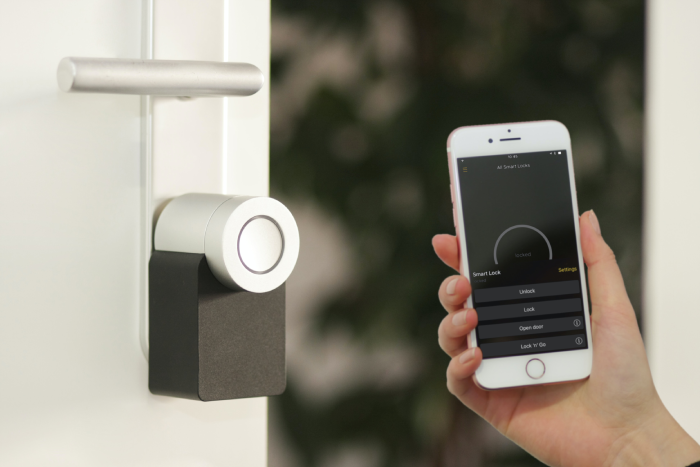
Smart locks are electronic devices that replace or augment traditional locks. They use various technologies such as Bluetooth, Wi-Fi, or NFC (Near Field Communication) to communicate with authorized devices like smartphones, key fobs, or keycards. Keyless entry systems, on the other hand, encompass a broader range of access control methods that do not require physical keys. These can include PIN codes, biometric authentication (fingerprint or facial recognition), and remote access via mobile apps.

The Benefits of Smart Locks and Keyless Entry

Greater Security

Smart locks offer a higher level of security compared to traditional locks. They often include advanced features such as real-time notifications, access logs, and the ability to remotely lock or unlock your door. In the event of a lost or stolen smartphone, you can easily revoke access without having to change physical locks, enhancing your overall home security.

Convenience and Flexibility

Keyless entry systems provide unparalleled convenience. No more fumbling for keys or worrying about forgetting them at home. With a smartphone or PIN code, you can effortlessly unlock your door. You can also grant temporary access to guests, service providers, or Airbnb guests, and revoke it when their visit is over.

Integration with Smart Home Ecosystems

Smart locks seamlessly integrate with other smart home devices and platforms. You can create custom automation routines that, for example, disarm your security system, turn on lights, and adjust your thermostat when you unlock the door. This level of integration enhances both security and energy efficiency.

Monitoring and Access Control

With smart locks, you can monitor who enters and leaves your home, thanks to detailed access logs. This information can be crucial for security purposes or simply for keeping track of family members’ movements. It also allows you to see if anyone has attempted unauthorized access.

Emergency Access

Many smart lock systems offer emergency access options. In the event of a power outage or a malfunction, you can still unlock your door using a physical key or backup code, ensuring you are never locked out of your home.

Challenges and Considerations

While smart locks and keyless entry systems offer numerous benefits, they are not without their challenges and considerations:

Reliability and Security Concerns

Smart locks rely on technology, which can sometimes be prone to glitches or vulnerabilities. Ensuring that your smart lock is secure and regularly updated is essential to prevent unauthorized access by hackers.

Power Source

Smart locks require a power source, typically in the form of batteries. Regularly checking and replacing batteries is necessary to prevent lockouts due to dead batteries.

Compatibility

Before purchasing a smart lock, it’s important to ensure that it is compatible with your door and existing hardware. Some doors may require modifications or additional components for installation.

Initial Cost

The upfront cost of a smart lock and its installation can be higher than that of traditional locks. However, many homeowners find that the long-term benefits in terms of convenience and security outweigh the initial investment.

The Future of Smart Locks and Keyless Entry

As technology continues to advance, smart locks and keyless entry systems are poised for a bright future. Here are some trends and developments to watch for:

Biometric Authentication

Biometric authentication methods such as fingerprint and facial recognition are becoming more prevalent in smart locks. These technologies offer a high level of security and user convenience, making them a likely standard feature in the future.

Enhanced Connectivity

Smart locks will continue to improve their connectivity options, allowing for easier integration with other smart devices and platforms. This will enable homeowners to create more sophisticated and customized automation scenarios.

Improved Security Features

Manufacturers will invest in enhancing the security features of smart locks, including encryption protocols and advanced authentication methods, to stay ahead of evolving cybersecurity threats.

Sustainability

With increasing environmental concerns, smart lock manufacturers may focus on sustainability by developing energy-efficient models and reducing the environmental impact of their products.

Artificial Intelligence (AI)

AI-powered smart locks could analyze user behavior and adapt security protocols accordingly. For example, they could detect unusual access patterns and trigger alerts or additional authentication steps.

The Road Ahead

Smart locks and keyless entry systems are transforming the way we secure our homes. Their combination of enhanced security, convenience, and integration with smart home ecosystems makes them an appealing choice for modern homeowners. While there are challenges to consider, ongoing advancements in technology and security protocols suggest a promising future for these innovative solutions. As our homes continue to become smarter, smart locks and keyless entry are at the forefront of ensuring our safety and peace of mind. Embracing this technology can help us step confidently into a more secure and connected future.
All About Burglar Alarm Systems

In today’s fast-paced world, ensuring the safety of our homes and loved ones is paramount. One of the most effective ways to bolster home security is by investing in a burglar alarm system. These systems have evolved significantly over the years, offering a wide range of features and technologies to protect your property.

wireless burglar alarm boston massachusetts

Understanding Burglar Alarm Systems

Burglar alarm systems are electronic devices designed to detect unauthorized entry or intrusion into a building or area. They work by triggering an alarm when certain pre-defined conditions are met, such as the opening of doors or windows, motion detection, or glass breakage. The primary purpose of these systems is to deter potential burglars and alert homeowners, security companies, or law enforcement to the presence of an intruder.

Types of Burglar Alarm Systems

There are several types of burglar alarm systems available, each with its own set of features and advantages. Understanding these types will help you choose the most suitable one for your home.

Wired alarm systems are hardwired into your home’s electrical system and are known for their reliability. They require professional installation, as wiring needs to be concealed within walls. This type is ideal for new construction or during major renovations.

Wireless alarm systems, on the other hand, use radio frequency signals to communicate between sensors and the control panel. They are easier to install and can be a good choice for existing homes. However, battery-powered sensors may require periodic replacement.

Monitored alarm systems are connected to a central monitoring station that alerts authorities or a security company when an alarm is triggered. Subscribers pay a monthly fee for monitoring services, which provides a higher level of security as professionals can respond to alerts.

Unmonitored alarm systems activate a loud siren or flashing lights when an intrusion is detected. They rely on neighbors or passersby to report the incident to authorities, and there are no monthly monitoring fees required.

Smart alarm systems can be controlled and monitored remotely via smartphone apps. They often integrate with other smart home devices such as cameras, doorbell cameras, and smart locks, offering convenience and flexibility for homeowners.

Components of a Burglar Alarm System

A typical burglar alarm system consists of several key components, each serving a specific function. The control panel is the brain of the system, where all the sensors and detectors connect. It manages the system’s functions and communicates with monitoring services or alerts homeowners.

Sensors and detectors include door and window sensors that trigger an alarm when a door or window is opened or breached. Motion detectors detect movement within a designated area and can differentiate between humans and pets. Glass break sensors detect the sound of breaking glass and activate the alarm. Some alarm systems incorporate smoke and carbon monoxide detectors to detect fires and gas leaks.

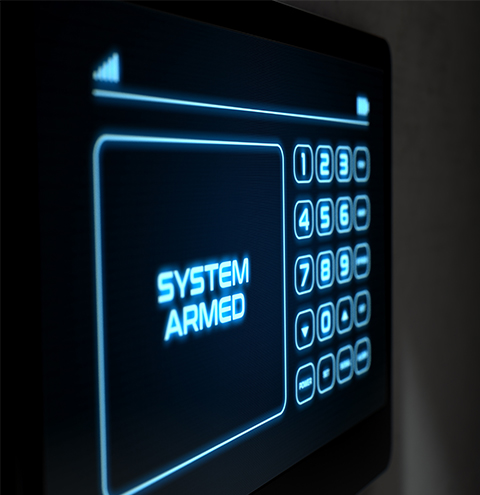
The keypad allows homeowners to arm and disarm the system using a unique code. Some keypads also have panic buttons for immediate help, while audible alarms, sirens, or flashing lights are activated when an intrusion is detected. These serve as both a deterrent and a means of alerting people nearby.

Modern systems use various communication methods, such as landlines, cellular networks, or Wi-Fi, to transmit alerts to monitoring centers or smartphones. They also include a backup power supply in case of power outages, ensuring continuous operation.

Benefits of Burglar Alarm Systems

Investing in a burglar alarm system offers numerous advantages. The primary benefit is the added security and peace of mind that comes with knowing your home is protected 24/7. Visible alarm system components, such as sirens and yard signs, deter potential burglars from targeting your home. Monitored systems can alert authorities within seconds of an intrusion, increasing the chances of catching the intruder. Smart systems allow homeowners to monitor their homes from anywhere, receive alerts, and even control the system remotely. Many systems include smoke and carbon monoxide detectors, providing early warning for fire and gas leaks. Additionally, installing a burglar alarm system can often lead to lower homeowners’ insurance premiums, saving you money in the long run.

Choosing the Right Burglar Alarm System

Selecting the right burglar alarm system for your home requires careful consideration. Assess your specific security needs, including the size and layout of your home, potential entry points, and any additional features you require, such as fire detection. Set a budget that includes both the initial installation costs and ongoing monitoring fees (if applicable). Decide whether you prefer a professionally installed system or a DIY option. Professional installation ensures proper setup but may be more expensive.

Research and compare alarm system providers, looking at their reputation, customer reviews, and available features. If opting for monitored services, carefully review the contract terms, including contract length and cancellation policies. Consider whether you want a system that can integrate with other smart home devices for a seamless experience. Regularly test your system to ensure it’s functioning correctly, and perform maintenance as needed, such as replacing batteries.

In an age where security is paramount, burglar alarm systems have become an essential tool for homeowners to protect their property and loved ones. By understanding the types, components, benefits, and tips for choosing the right system, you can take the first step towards enhancing your home’s security and enjoying peace of mind.

Should You Install Household Security Cameras?

In an age where technology intertwines seamlessly with our daily lives, the concept of security has taken on a new importance. As concerns about personal safety and property protection continue to rise, many homeowners are turning to household security cameras as a modern solution to safeguard their living spaces. These unblinking sentinels offer an added layer of protection to your home security. Today, we’re delving into the various aspects of household security cameras, exploring their benefits, and helping you make an informed decision about whether they are the right choice for your residential property.

The Evolution of Household Security Cameras

Once reserved for commercial and industrial spaces, security cameras have evolved into sleek, sophisticated devices that can be seamlessly integrated into residential settings. The technological advancements in the field of home security have brought about a range of features and options, making it easier than ever for homeowners to monitor their properties remotely.

Benefits of Installing Household Security Cameras

Benefit #1: Crime Deterrence

One of the primary benefits of installing security cameras is their ability to deter criminal activity. The mere presence of visible cameras can discourage potential intruders from targeting your property, as they know their actions will be captured on tape.

Benefit #2: Remote Monitoring

Modern security cameras offer the convenience of remote monitoring through smartphone apps or computer software. This means you can keep an eye on your property no matter where you are, providing a sense of security and control, especially when you’re away on vacation or at work.

Benefit #3: Gathering Evidence

In the unfortunate event of a break-in or any other security breach, recorded footage from your security cameras can serve as crucial evidence for law enforcement and insurance purposes. This documentation can significantly increase the chances of apprehending culprits and recovering stolen property.

Benefit #4: Real-Time Alerts and Notifications

Many advanced security camera systems are equipped with motion sensors that trigger alerts or notifications when activity is detected. This real-time information allows you to respond swiftly to potential threats. Whether it’s a package delivery or a suspicious individual near your property, you’ll be in the know.

Benefit #5: Monitoring Vulnerable Areas

Security cameras can be set up strategically to monitor vulnerable areas of your property. For example, they can be used to protect home entry points, backyards, and driveways. This ensures comprehensive coverage, leaving no security blind spots.

Things To Consider Before Installing Security Cameras

  1. Privacy Concerns: While security cameras provide enhanced security, they also raise concerns about privacy, especially if they capture footage of public areas or neighboring properties. It’s essential to strike a balance between securing your home and respecting the privacy of others.
  2. Legal Regulations: Different jurisdictions have varying laws regarding the use of surveillance cameras. Familiarize yourself with local regulations to ensure you comply with legal requirements, such as notifying visitors about the presence of cameras.
  3. Initial Costs and Maintenance: The upfront cost of purchasing and installing security cameras can be significant. Additionally, maintenance, monitoring, or potential technical issues might require ongoing investments of time and money.
  4. False Alarms: Motion-sensor-triggered cameras can sometimes result in false alarms due to factors like moving foliage or pets. Make sure you are investing in a system that has the technology needed to parse out false alarms.
  5. Cybersecurity Risks: Security cameras connected to the internet can be vulnerable to hacking if not adequately secured. Ensure that you follow best cybersecurity practices to prevent unauthorized access to your camera feeds.

Steps to Choosing the Right Security Camera System

When considering the installation of security cameras in your household, it’s essential to select a system that aligns with your specific needs and preferences. Here’s a checklist of factors to consider:

Step 1: Indoor vs. Outdoor Cameras

Determine whether you need cameras for indoor monitoring, outdoor surveillance, or both. Outdoor cameras are built to withstand the elements and offer night vision capabilities.

Step 2: Wired vs. Wireless

Choose between wired and wireless cameras based on your preference and the layout of your property. Wired cameras typically offer more stable connections, while wireless options provide flexibility in installation.

Step 3: Resolution and Image Quality

Choose cameras with higher resolution and image quality to ensure that captured footage is clear. A security camera that produces blurry or choppy video will defeat the purpose of installing the system in the first place.

Step 4: Adequate Field of View

Consider the camera’s field of view to determine the area it can cover effectively. Some cameras offer panoramic views, while others focus on specific angles. Weigh the camera’s coverage range against the area you need to protect.

Step 5: Smart Home Integration

If you have (or want) a smart home setup, look for security cameras that can seamlessly integrate with smart locks, lights, thermostats, and more.

Yes, For Increased Protection, You Should Install Household Security Cameras

The decision to install household security cameras is a complex one that involves weighing the benefits against the potential pitfalls. While security cameras enhance your ability to monitor and protect your property, it’s crucial to approach their installation with careful thought. A strategically installed system will help you avoid common mistakes and get the most out of these devices. By understanding the features and options available, you can make an informed choice that aligns with your desire for increased home security.

Remember, when it comes to keeping your home safe, do your research. Knowledge is your best ally.

5 Features of the Best Smart Home Alarm System

In the rapidly evolving landscape of smart home technology, security remains a top concern for homeowners. Smart home alarm systems have emerged as a robust solution to safeguard homes and provide peace of mind. These systems integrate cutting-edge technology with user-friendly interfaces, revolutionizing the way we protect our places of residence. Below are five key features that define the best smart home alarm systems:

1. Real-time Mobile Alerts and Notifications

One of the standout features of the best smart home alarm systems is their ability to provide real-time alerts and notifications directly to your mobile device. Whether you’re at home or halfway around the world, you’ll receive instant updates if any suspicious activity is detected. This feature allows homeowners to respond promptly to potential threats, alerting authorities if necessary. Advanced systems even offer customizable notifications, enabling you to choose the specific events that trigger alerts, such as a door being opened or motion detected in a particular room.

2. Intelligent Sensors and Detection

Modern smart home alarm systems are equipped with intelligent sensors that go beyond traditional motion detectors. These sensors utilize a variety of technologies, including infrared, ultrasonic, and even video analytics, to accurately detect unauthorized entry or unusual activity. Some systems can differentiate between pets and intruders, preventing false alarms. Moreover, the integration of AI and machine learning enhances the system’s ability to adapt and improve over time, refining its detection capabilities based on user feedback and historical data.

3. Remote Monitoring and Control

The convenience of remote monitoring and control sets the best smart home alarm systems apart. Through dedicated mobile apps or web interfaces, homeowners can monitor their property in real-time, arm or disarm the system, and access live camera feeds from anywhere. This feature is particularly useful for those who travel frequently or want to keep an eye on their home while at work. The ability to remotely control the system empowers users to respond swiftly to changing circumstances and ensure their home’s security at all times.

4. Integration with Smart Home Ecosystems

Seamless integration with other smart home devices is another characteristic of top-tier alarm systems. The best systems can communicate and collaborate with various devices such as smart doorbells, locks, lights, and thermostats. This integration enables a holistic approach to home security, where actions triggered by the alarm system can lead to responsive measures from other devices. For instance, if an alarm is activated, the system can automatically turn on the lights and lock all doors, deterring potential intruders.

5. Backup and Redundancy

Reliability is a cornerstone of effective home security, and the best smart home alarm systems are designed with redundancy in mind. These systems often incorporate backup power sources and multiple communication channels to ensure continuous operation even in the face of power outages or network disruptions. Cellular connections and battery backups guarantee that the system remains active and connected when other infrastructure fails. This level of preparedness is essential to maintain the integrity of the security system under all circumstances.

Ever-Improving Home Security Technology

The home security landscape has been significantly transformed by the advent of smart home alarm systems. These systems offer a range of features that work in harmony to provide robust and convenient security solutions. Real-time alerts, intelligent sensors, remote monitoring, integration with other smart devices, and backup mechanisms all contribute to making these systems stand out. As technology continues to evolve, we can expect even more sophisticated and effective iterations of smart home alarm systems, further enhancing our ability to protect what matters most.

3 Best Local Alarm Companies in Connecticut – 2025 | Best Home Security Systems CT

How do you know which provider offers the best security system for your home?

Sifting through the various alarm providers at your disposal is exhausting work.

And who knows if you are making the best choice in the end?

Choosing a local home security company can be overwhelming, which is why we did the research for you.

Here are the top three local alarm companies in Connecticut we recommend.

Alarm New England

alarm companies in ct

Alarm New England has been serving the Connecticut community for many years, and the brand is one of the most reliable in the region. Alarm New England uses equipment from Qolsys and Alarm.com.

CALL ALARM NEW ENGLAND FOR A FREE QUOTE TODAY – (857) 445-4010

Price

Payment options are pretty flexible with this local alarm company. Customers can go for a monthly plan or commit themselves to a three-year contract.

Alarm New England also offers a 100-day satisfaction guarantee on residential systems.

Features and Equipment

Alarm New England has a modern home security system with all of the latest features. The basics include remote access, home integration, and a UL-approved monitoring station. As for technology integrations, Alarm New England’s equipment works well with both Amazon Alexa and Z-Wave.

Customers also have the choice between installing their security system themselves or hiring a professional.

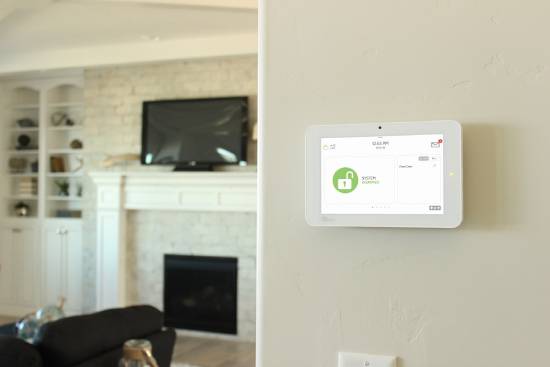
Alarm New England’s equipment uses Qolsys hardware. The IQ Panel 2’s easy interface is a much-appreciated feature. It has a 7-inch HD touchscreen, wireless radios, and a built-in 5-megapixel camera. The home security system also grants customers remote access to smart devices in the home. The touchless disarming feature, along with the glass break detector, are desirable features for homeowners as well.

Beyond monitoring the home, the company offers an array of features that ensure environmental protection. The hardware can detect a change in temperature, carbon monoxide, smoke, and flooding, among other things.

Homeowners can also find peace of mind knowing there is a panic button in case of an emergency.

Another advantage homeowners have when choosing Alarm New England is the ability to reallocate their existing security system. The system allows for security coverage throughout the country, even with different service providers.

Customer Service

This local alarm company in Connecticut delivers outstanding customer service. It is one of the main reasons homeowners choose to do business with Alarm New England.

Customers don’t need to worry when they find themselves in an emergency. Alarm New England’s staff is quick to respond. They also have thorough product knowledge. All of this makes for a positive customer experience.

Pros

  • Excellent customer service
  • Monthly options available
  • Plans start at $31.99 per month
  • The ability to reuse existing equipment

Cons

  • Available only in New England
  • Only professional installation

FAST AND FREE SECURITY SYSTEM QUOTE – (857) 445-4010

Standard Security Systems

alarm providers

Standard Security Systems is a division of Standard Oil Connecticut and has been designing and installing customized security equipment for decades. The local alarm company also provides customers with 24/7 monitoring services. Standard is a familiar name when it comes to home security systems CT.

Price

Standard Security Systems offers little information about pricing online because individual security systems are customized to meet each homeowner’s needs. Rather than provide quotes over the phone, a sales rep evaluates the property on site.

Monthly plans start at $29.95 per month for landline monitoring with a minimal upfront cost. New customers that sign a monitoring contract can benefit from a $0 special.

Features and Equipment

Standard Security Systems uses Honeywell equipment for its comprehensive alarm system. Although it covers all the basics, it is somewhat outdated.

As a result, some more advanced features and integrations might be unavailable. However, the company does provide 24-hour monitoring, smarter energy savings, and the ability to lock and unlock doors remotely.

Through their mobile app, Standard Security Systems offer home automation and monitoring services. The company also assists homeowners with installation and repairs, as well as security system training.

Customer Service

Standard Security Systems has many positive reviews from customers online. Clients appreciate the helpfulness of the staff and affordable prices. The customer service team is generally quick to respond to inquiries and complaints.

In the past, there had been issues with some false alarms being raised from the security system. However, they have been resolved.

Pros

  • Around-the-clock monitoring services
  • Customizable security systems
  • Many options in equipment and integrated technology

Cons

  • $30 per month landline monitoring
  • Lacks some transparency with pricing
  • Quotes aren’t given over the phone
  • Five-year contract

ADT

hartford connecticut home security

ADT is one of the largest and most recognizable home security companies in the world. It has been keeping homeowners safe since 1874.

Home Security Systems CT Price

When it comes to checking for pricing information, ADT’s website might disappoint you. It doesn’t display the costs of its plans, and some customers have been caught by surprise with additional fees and pricing increases.

However, ADT does offer free equipment in some of the more basic packages. Clients should note that the older technology used has fewer features than modern security systems.

What we do know is that packages range from $28.99 to $58.99 per month. Customers can choose between four different packages. Although there is no equipment starting cost, ADT charges an installation/activation fee of $99.

ADT also offers a 90-day limited warranty. As for its cancelation policy, customers can end a contract early, but it will require paying 75% of the balance of the three-year term.

Features and Equipment

With a basic plan, ADT will provide customers with a wireless control panel and window and door sensors. Other monitoring equipment and technology is sold separately at an additional cost.

Customers do not have the option of self-installation. They must have their ADT security system professionally installed.

ADT has a reliable technology integration that is easily accessible through mobile apps. Customers can receive alerts in real time and have live surveillance and remote access to their home security system.

The company also provides a 24-hour monitoring service.

Customer Service

ADT has sold unsecured equipment to customers in the past, resulting in a $16 million class-action lawsuit in 2018. Many unsatisfied customers have left negative reviews online. The main complaints are the tardiness of sales reps and long waiting times over the phone.

As a result, ADT still has room for improvement in customer service.

Pros

  • Money-back guarantee
  • Pulse app
  • Affordable installation fees
  • Large company

Cons

  • Slow response time for customer service
  • No monthly contracts
  • Poor reviews from customers

The 3 Best Local Home Security Systems CT

Those are our picks for the 3 best alarm companies in CT for 2025. For more details and an in-depth description of service, you can see more from Alarm New England here.

For questions, Alarm New England can be reached at (857) 445-4010 or sales@alarmnewengland.com.

X

GET FREE QUOTE

What are you protecting?*

Step 1 of 4

Is your property currently monitored?*

Step 2 of 4

What size is your property?

Step 3 of 4

Who is this personalized quote for?*

By clicking this button, you consent for Alarm New England to use automated technology to contact you at the number provided. This consent is not required to make a purchase from us.

Step 4 of 4